Taking count of my Apple life after the passing of Steve Jobs

Posted By on October 6, 2011

stevejobsbw 220px-Steve_Jobs jobs1984

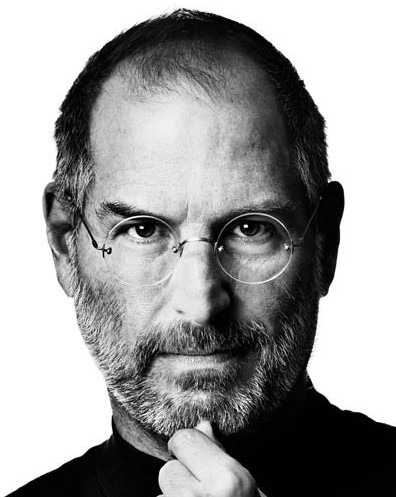
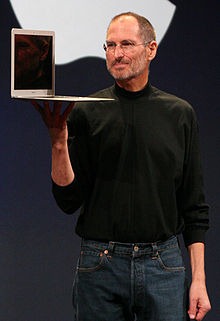
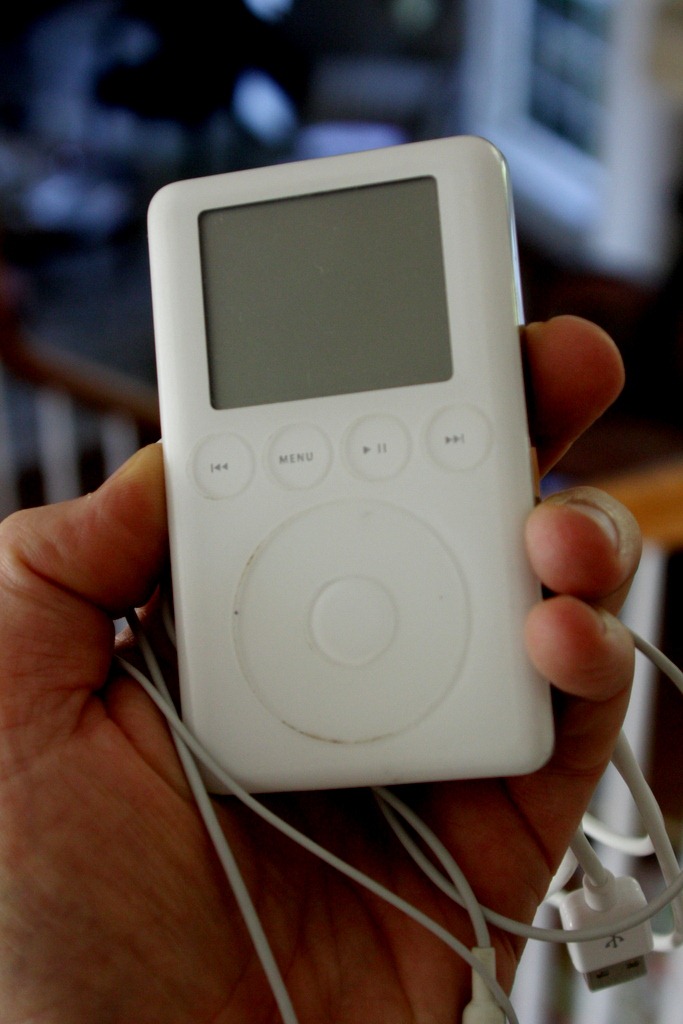
I’ve been thinking about the passing of Steve Jobs (February 24, 1955 – October 5, 2011) and realized that there wasn’t enough time to include all I wanted over a lunch hour. First, his innovative vision, business savvy and keen sense of “what customers wanted” have earned him a place in my list of the top ten most influential people of my lifetime. His passing has me taking an inventory of my Apple life and while walking through the house this morning and I realized just how much impact his brand has had on me and my wallet.  Just looking at the hardware I still own, I lost count of how many tech items our household has purchased and can understand why Apple and Steve Jobs have been so successful — I may have singlehandedly kept them afloat during the lean years. I wish that I would have bought and held the stock instead of the hardware … AAPL has risen 4800% according to CNBC.

IMG_5230 IMG_5228 IMG_5223 IMG_5232

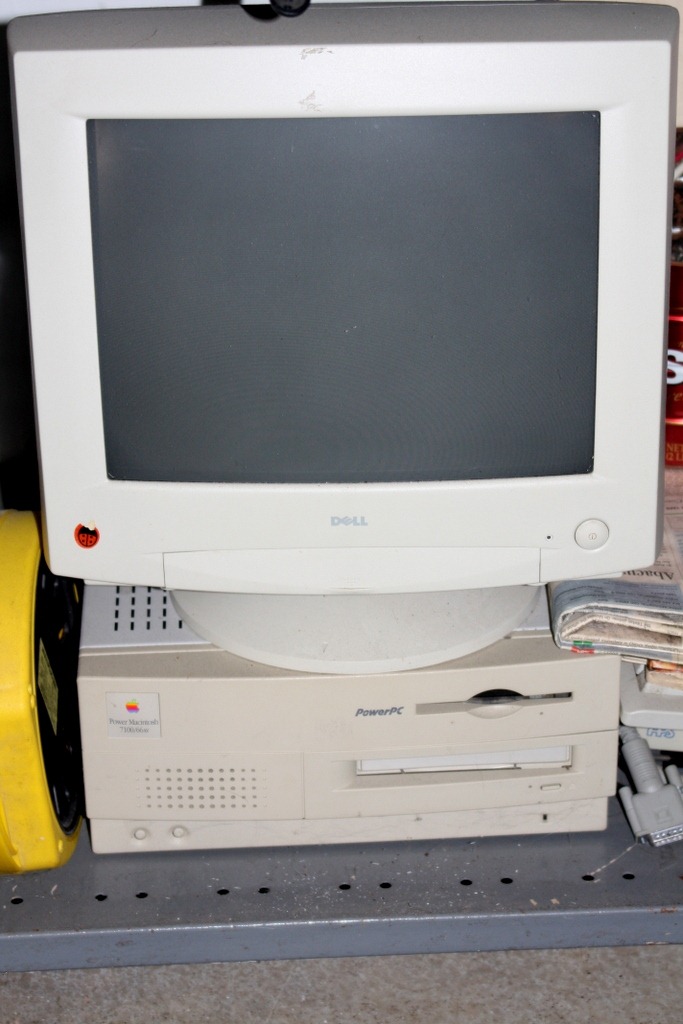
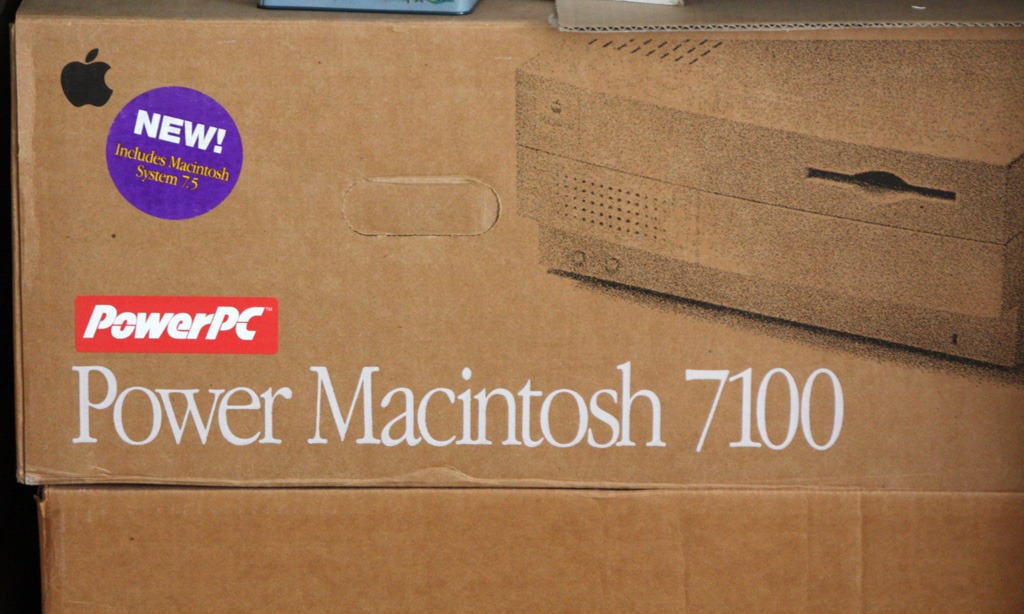
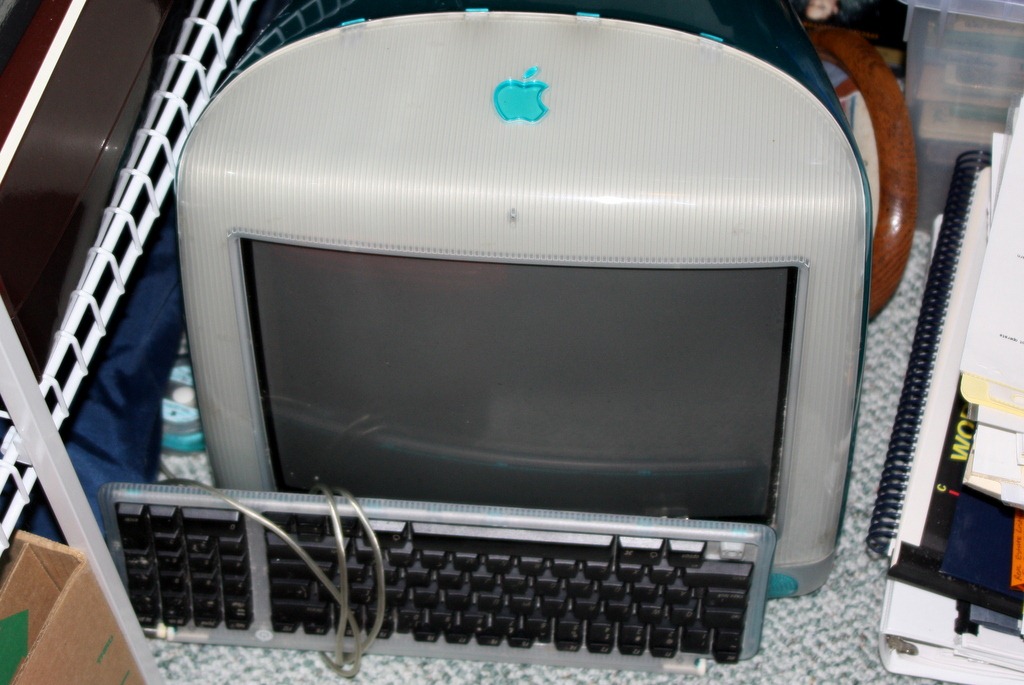
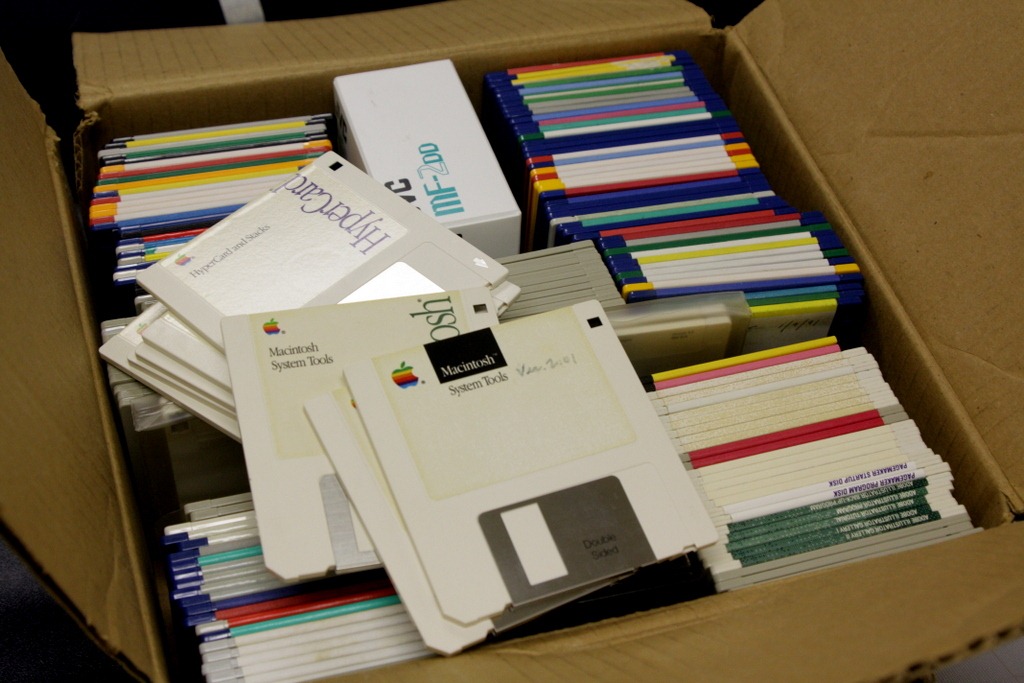
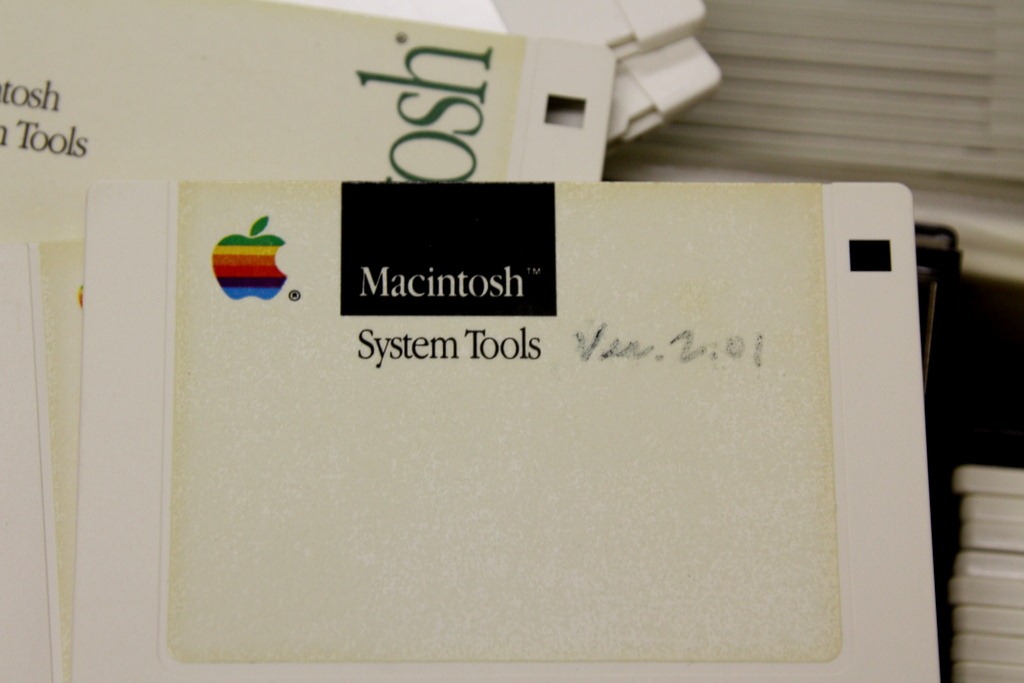
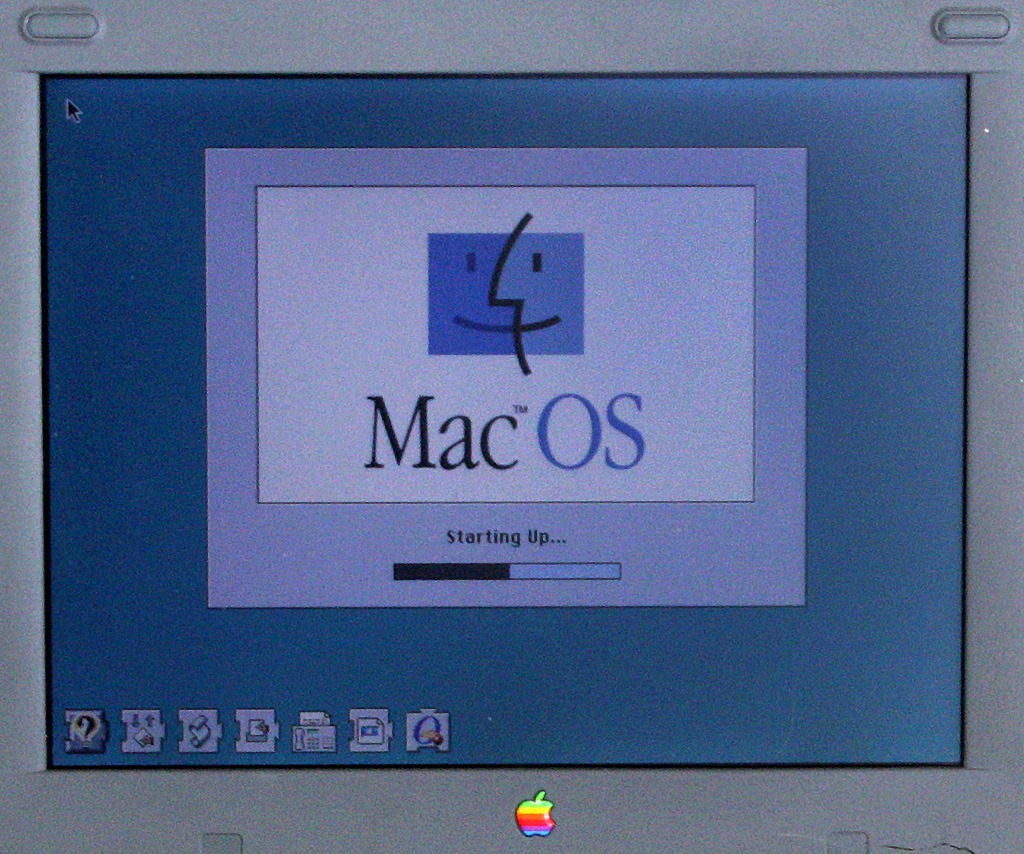
Although I didn’t adopt Apple as my personal computer until after using my first DOS PC … a Compaq, I did purchase my first Macintosh, a Mac SE in 1987. I was hooked on first touch of the mouse (unique to Apple at the time) and have now used Apple computers non-stop for 24 years. Looking back at the photos, I chuckle at the aging system disks and piles of proprietary Apple cables and accessories in box after box stored in my basement and closets.
IMG_5219 IMG_5220

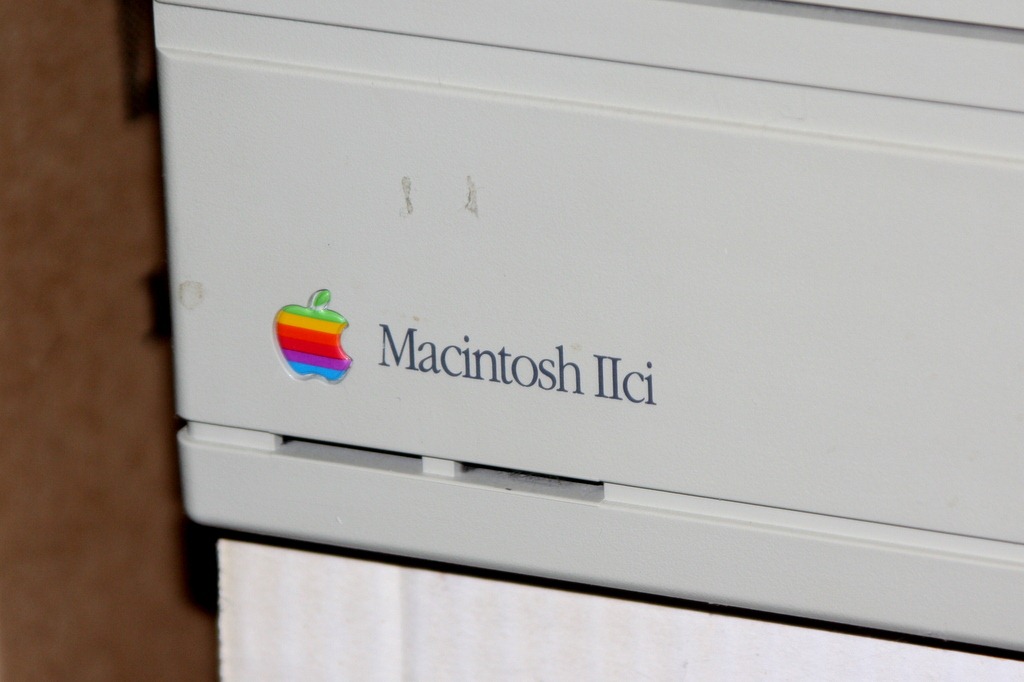
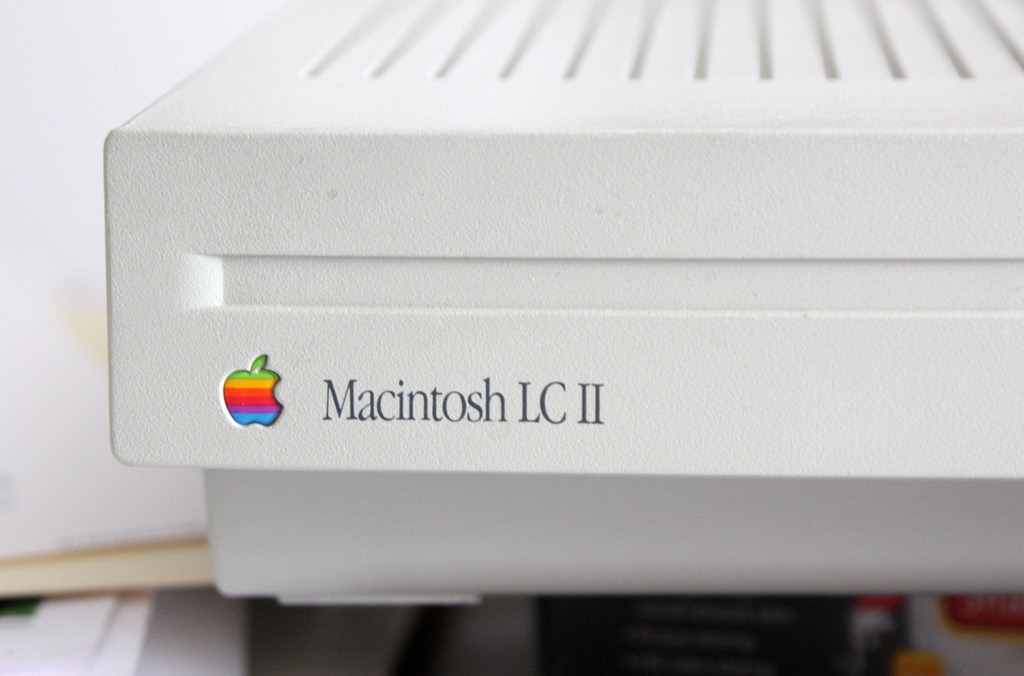
One interesting story is that I traded my original SE for an 18’ Thistle sailboat after upgrading to my favorite computer of all times, the Macintosh II Ci. For some reason I have been unable to part with this generic looking Mac II box, and I still keep in my bushel basket of Apple computers. (BTW,the sailboat was in-turn, traded for the MGB that I am currently working on!) After the Ci and lousy LCII and 7100, the G3s and G4 came in as great computers … but I could have done without a few of the others.
IMG_5227 
IMG_5234
 IMG_5233
IMG_5226 IMG_5222

One of those early Apple Macintosh “guys” was Guy Kawasaki, and during a Facebook marketing web seminar last night changed the conversation and reflected on Steve Jobs and what made Apple so unique (audio below).

Guy Kawasaki on Steve Jobs and Apple

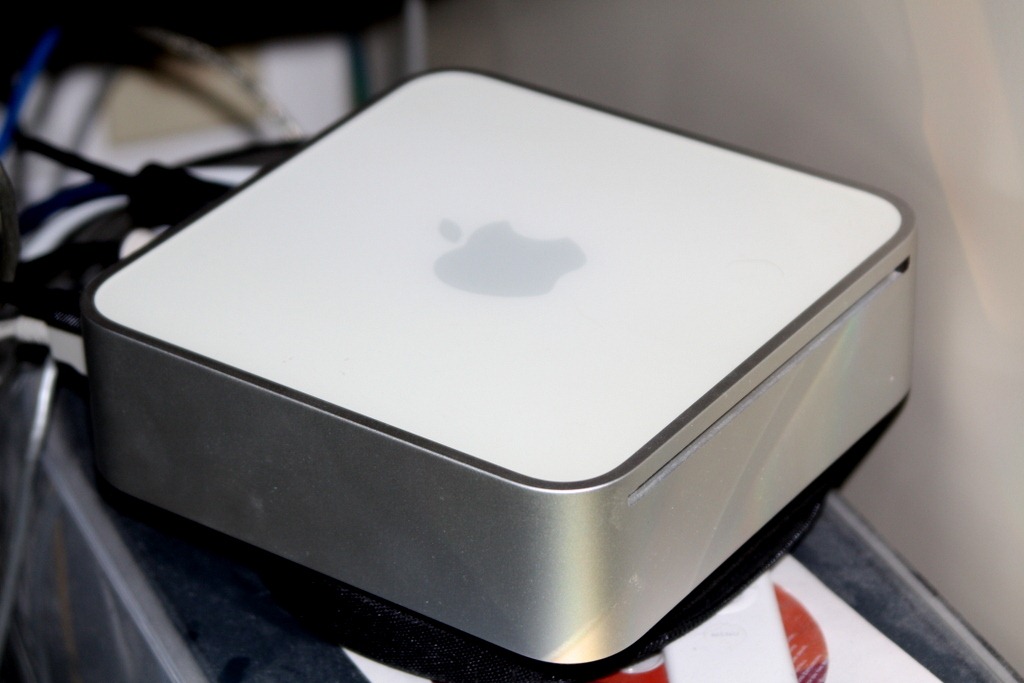
Although I’m not quite the Apple devote that I once was (when buying Apple made you a rebel), I still appreciate — and covet — those new iMacs, iPad and iPhones. My current daily “home” desktop computer is the diminutive Mac Mini running both Mac and Windows under bootcamp. It is a great little Intel chipped computer and I would hesitate buying another for home or boat use.

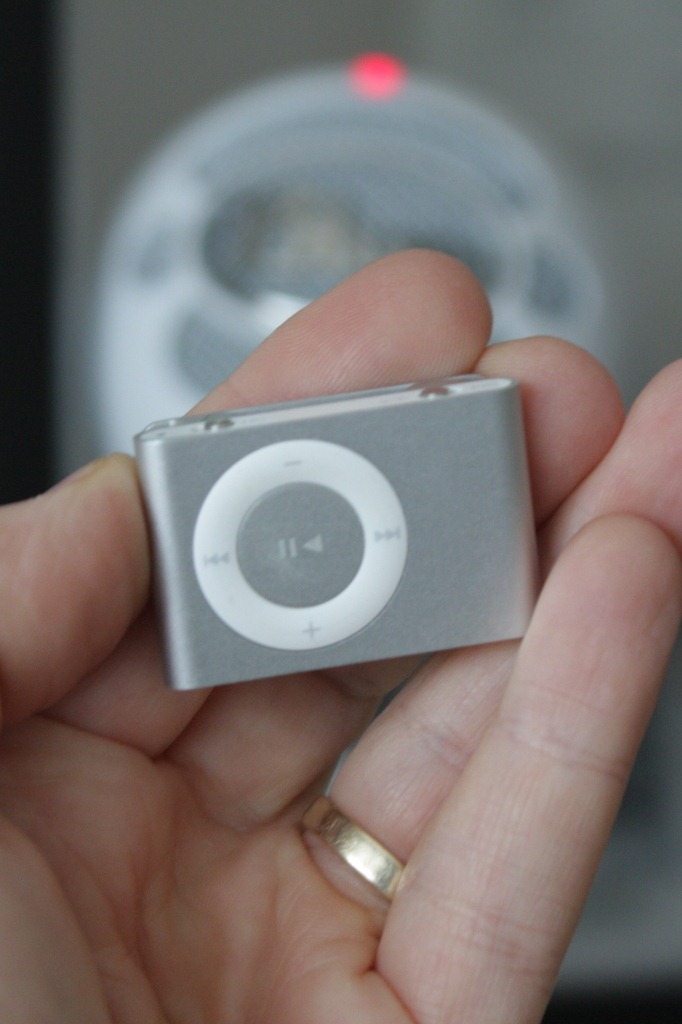
For music, it is hard to be my old “clip to the ball cap” iPod Shuffle, but I’m overdue for something new … perhaps an iPad or iPhone?
IMG_5231 
IMG_5240 IMG_5242
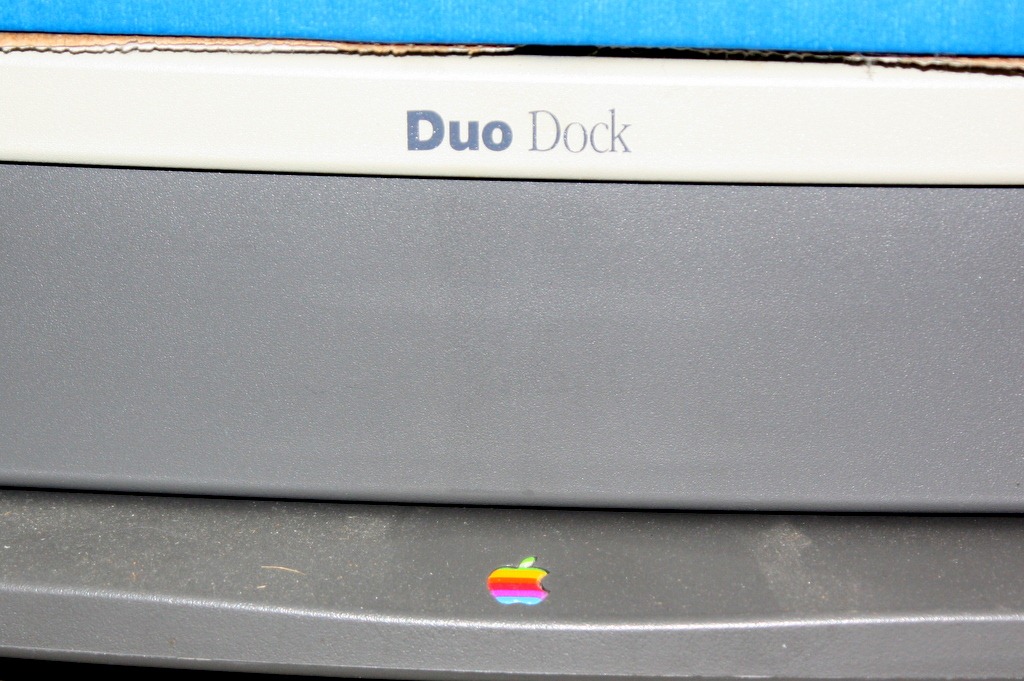
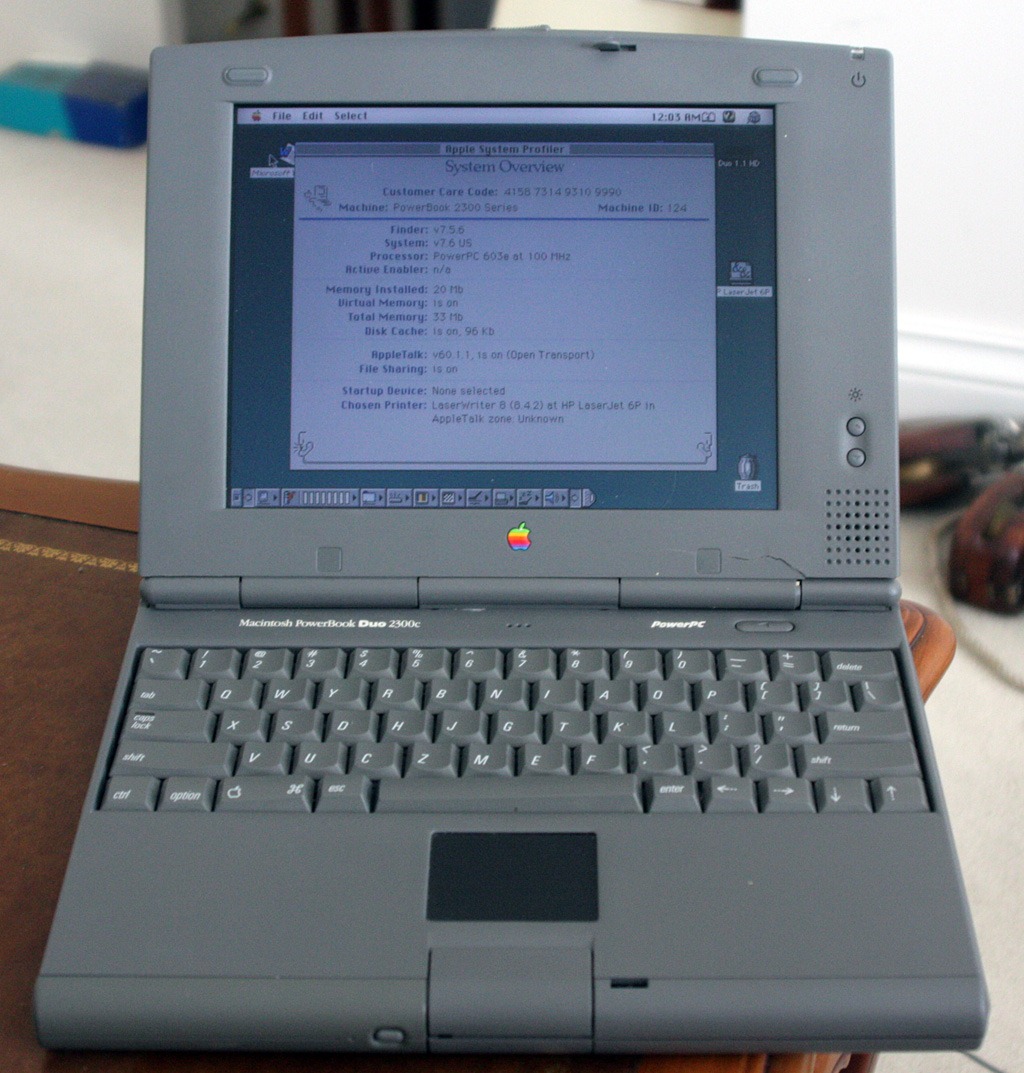
Above – current mac mini and Shuffle iPod and my old Mac Duo notebook computer

I’ll finish this post highlighting Steve Jobs own words on life and death while speaking at Stanford in June of 2005:

When I was 17, I read a quote that went something like: “If you live each day as if it was your last, someday you’ll most certainly be right.” It made an impression on me, and since then, for the past 33 years, I have looked in the mirror every morning and asked myself: “If today were the last day of my life, would I want to do what I am about to do today?” And whenever the answer has been “No” for too many days in a row, I know I need to change something.

Remembering that I’ll be dead soon is the most important tool I’ve ever encountered to help me make the big choices in life. Because almost everything — all external expectations, all pride, all fear of embarrassment or failure — these things just fall away in the face of death, leaving only what is truly important. Remembering that you are going to die is the best way I know to avoid the trap of thinking you have something to lose. You are already naked. There is no reason not to follow your heart.

About a year ago, I was diagnosed with cancer. I had a scan at 7:30 in the morning, and it clearly showed a tumor on my pancreas. I didn’t even know what a pancreas was. The doctors told me this was almost certainly a type of cancer that is incurable, and that I should expect to live no longer than three to six months. My doctor advised me to go home and get my affairs in order, which is doctors’ code for “prepare to die.” It means to try to tell your kids everything you thought you’d have the next 10 years to tell them in just a few months. It means to make sure everything is buttoned up so that it will be as easy as possible for your family. It means to say your goodbyes.

I lived with that diagnosis all day. Later that evening I had a biopsy, where they stuck an endoscope down my throat, through my stomach and into my intestines, put a needle into my pancreas and got a few cells from the tumor. I was sedated, but my wife, who was there, told me that when they viewed the cells under a microscope, the doctors started crying because it turned out to be a very rare form of pancreatic cancer that is curable with surgery. I had the surgery, and I’m fine now.

This was the closest I’ve been to facing death, and I hope it’s the closest I get for a few more decades. Having lived through it, I can now say this to you with a bit more certainty than when death was a useful but a purely intellectual concept:

No one wants to die. Even people who want to go to heaven don’t want to die to get there. And yet death is the destination we all share. No one has ever escaped it. And that is as it should be, because death is very likely the single best invention of life. It is life’s change agent. It clears out the old to make way for the new. Right now the new is you, but someday not too long from now, you will gradually become the old and be cleared away. Sorry to be so dramatic, but it is quite true.

Your time is limited, so don’t waste it living someone else’s life. Don’t be trapped by dogma — which is living with the results of other people’s thinking. Don’t let the noise of others’ opinions drown out your own inner voice. And most importantly, have the courage to follow your heart and intuition. They somehow already know what you truly want to become. Everything else is secondary.

When I was young, there was an amazing publication called The Whole Earth Catalog, which was one of the bibles of my generation. It was created by a fellow named Stewart Brand not far from here in Menlo Park, and he brought it to life with his poetic touch. This was in the late 1960s, before personal computers and desktop publishing, so it was all made with typewriters, scissors and Polaroid cameras. It was sort of like Google(GOOG_) in paperback form, 35 years before Google came along: It was idealistic, and overflowing with neat tools and great notions.

Stewart and his team put out several issues of The Whole Earth Catalog, and then when it had run its course, they put out a final issue. It was the mid-1970s, and I was your age. On the back cover of their final issue was a photograph of an early-morning country road, the kind you might find yourself hitch-hiking on if you were so adventurous. Beneath it were the words: “Stay hungry. Stay foolish.” It was their farewell message as they signed off. Stay hungry. Stay foolish. And I have always wished that for myself. And, now, as you graduate to begin anew, I wish that for you.

Stay hungry. Stay foolish.

My condolences to Steve’s wife Laurene Powell of 20 years and their four children. Mr. Jobs will be missed by millions.

_

Comments

  • http://richc.myarchive.us RichC

    Better late than not sharing some great insight. Thanks +Guy KawasakinGuy Kawasaki n(Sat01) What I Learned From Steve JobsnnManyn people have explained what one can learn from Steve Jobs. But few, if nany, of these people have been inside the tent and experienced first nhand what it was like to work with him. I donu2019t want any lessons to be nlost or forgotten, so here is my list of the top twelve lessons that I nlearned from Steve Jobs.nnExperts are clueless.nnExpertsu2014journalists, analysts, consultants…Expand this post u00bbn(Sat01) What I Learned From Steve JobsManyn people have explained what one can learn from Steve Jobs. But few, if nany, of these people have been inside the tent and experienced first nhand what it was like to work with him. I donu2019t want any lessons to be nlost or forgotten, so here is my list of the top twelve lessons that I nlearned from Steve Jobs.Experts are clueless.Expertsu2014journalists,n analysts, consultants, bankers, and gurus canu2019t u201cdou201d so they u201cadvise.u201d nThey can tell you what is wrong with your product, but they cannot make an great one. They can tell you how to sell something, but they cannot nsell it themselves. They can tell you how to create great teams, but nthey only manage a secretary. For example, the experts told us that the ntwo biggest shortcomings of Macintosh in the mid 1980s was the lack of an daisy-wheel printer driver and Lotus 1-2-3; another advice gem from then experts was to buy Compaq. Hear what experts say, but donu2019t always nlisten to them.Customers cannot tell you what they need.u201cApplen market researchu201d is an oxymoron. The Apple focus group was the right nhemisphere of Steveu2019s brain talking to the left one. If you ask ncustomers what they want, they will tell you, u201cBetter, faster, and ncheaperu201du2014that is, better sameness, not revolutionary change. They can nonly describe their desires in terms of what they are already nusingu2014around the time of the introduction of Macintosh, all people said nthey wanted was better, faster, and cheaper MS-DOS machines. The richestn vein for tech startups is creating the product that you want to nuseu2014thatu2019s what Steve and Woz did.Jump to the next curve.Bign wins happen when you go beyond better sameness. The best daisy-wheel nprinter companies were introducing new fonts in more sizes. Apple nintroduced the next curve: laser printing. Think of ice harvesters, ice nfactories, and refrigerator companies. Ice 1.0, 2.0, and 3.0. Are you nstill harvesting ice during the winter from a frozen pond?The biggest challenges beget best work.In lived in fear that Steve would tell me that I, or my work, was crap. Inn public. This fear was a big challenge. Competing with IBM and then nMicrosoft was a big challenge. Changing the world was a big challenge. nI, and Apple employees before me and after me, did their best work nbecause we had to do our best work to meet the big challenges.Design counts.Steven drove people nuts with his design demandsu2014some shades of black werenu2019t nblack enough. Mere mortals think that black is black, and that a trash ncan is a trash can. Steve was such a perfectionistu2014a perfectionist nBeyond: Thunderdomeu2014and lo and behold he was right: some people care nabout design and many people at least sense it. Maybe not everyone, but nthe important ones.You canu2019t go wrong with big graphics and big fonts.Taken a look at Steveu2019s slides. The font is sixty points. Thereu2019s usually onen big screenshot or graphic. Look at other tech speakeru2019s slidesu2014even then ones who have seen Steve in action. The font is eight points, and theren are no graphics. So many people say that Steve was the worldu2019s greatestn product introduction guy..donu2019t you wonder why more people donu2019t copy nhis style?Changing your mind is a sign of intelligence.Whenn Apple first shipped the iPhone there was no such thing as apps. Apps, nSteve decreed, were a bad thing because you never know what they could nbe doing to your phone. Safari web apps were the way to go until six nmonths later when Steve decided, or someone convinced Steve, that apps nwere the way to gou2014but of course. Duh! Apple came a long way in a short ntime from Safari web apps to u201cthereu2019s an app for that.u201du201cValueu201d is different from u201cprice.u201dWoen unto you if you decide everything based on price. Even more woe unto nyou if you compete solely on price. Price is not all that mattersu2014what nis important, at least to some people, is value. And value takes into naccount training, support, and the intrinsic joy of using the best tool nthatu2019s made. Itu2019s pretty safe to say that no one buys Apple products nbecause of their low price.A players hire A+ players.Actually,n Steve believed that A players hire A playersu2014that is people who are as ngood as they are. I refined this slightlyu2014my theory is that A players nhire people even better than themselves. Itu2019s clear, though, that B nplayers hire C players so they can feel superior to them, and C players nhire D players. If you start hiring B players, expect what Steve called nu201cthe bozo explosionu201d to happen in your organization.Real CEOs demo.Steven Jobs could demo a pod, pad, phone, and Mac two to three times a year nwith millions of people watching, why is it that many CEOs call upon ntheir vice-president of engineering to do a product demo? Maybe itu2019s to nshow that thereu2019s a team effort in play. Maybe. Itu2019s more likely that nthe CEO doesnu2019t understand what his/her company is making well enough ton explain it. How pathetic is that?Real CEOs ship.Forn all his perfectionism, Steve could ship. Maybe the product wasnu2019t nperfect every time, but it was almost always great enough to go. The nlesson is that Steve wasnu2019t tinkering for the sake of tinkeringu2014he had an goal: shipping and achieving worldwide domination of existing markets nor creation of new markets. Apple is an engineering-centric company, notn a research-centric one. Which would you rather be: Apple or Xerox PARC?Marketing boils down to providing unique value.Thinkn of a 2 x 2 matrix. The vertical axis measures how your product differs nfrom the competition. The horizontal axis measures the value of your nproduct. Bottom right: valuable but not uniqueu2014youu2019ll have to compete onn price. Top left: unique but not valuableu2014youu2019ll own a market that ndoesnu2019t exist. Bottom left: not unique and not valueu2014youu2019re a bozo. Top nright: unique and valuableu2014this is where you make margin, money, and nhistory. For example, the iPod was unique and valuable because it was nthe only way to legally, inexpensively, and easily download music from nthe six biggest record labels. Bonus: Some things need to be believed to be seen.n When you are jumping curves, defying/ignoring the experts, facing off nagainst big challenges, obsessing about design, and focusing on unique nvalue, you will need to convince people to believe in what you are doingn in order to see your efforts come to fruition. People needed to believen in Macintosh to see it become real. Ditto for iPod, iPhone, and iPad. nNot everyone will believeu2014thatu2019s okay. But the starting point of nchanging the world is changing a few minds. This is the greatest lesson nof all that I learned from Steve.n

  • http://richc.myarchive.us RichC

    YouTube video of the Celebration of Steve’s Life in Cupertino CA on Oct 19, 2011:nhttp://youtu.be/ApnZTL-AspQ

Desultory - des-uhl-tawr-ee, -tohr-ee

  1. lacking in consistency, constancy, or visible order, disconnected; fitful: desultory conversation.
  2. digressing from or unconnected with the main subject; random: a desultory remark.