Tech Friday: How can you tell real from manipulated images?
Posted By RichC on January 16, 2026
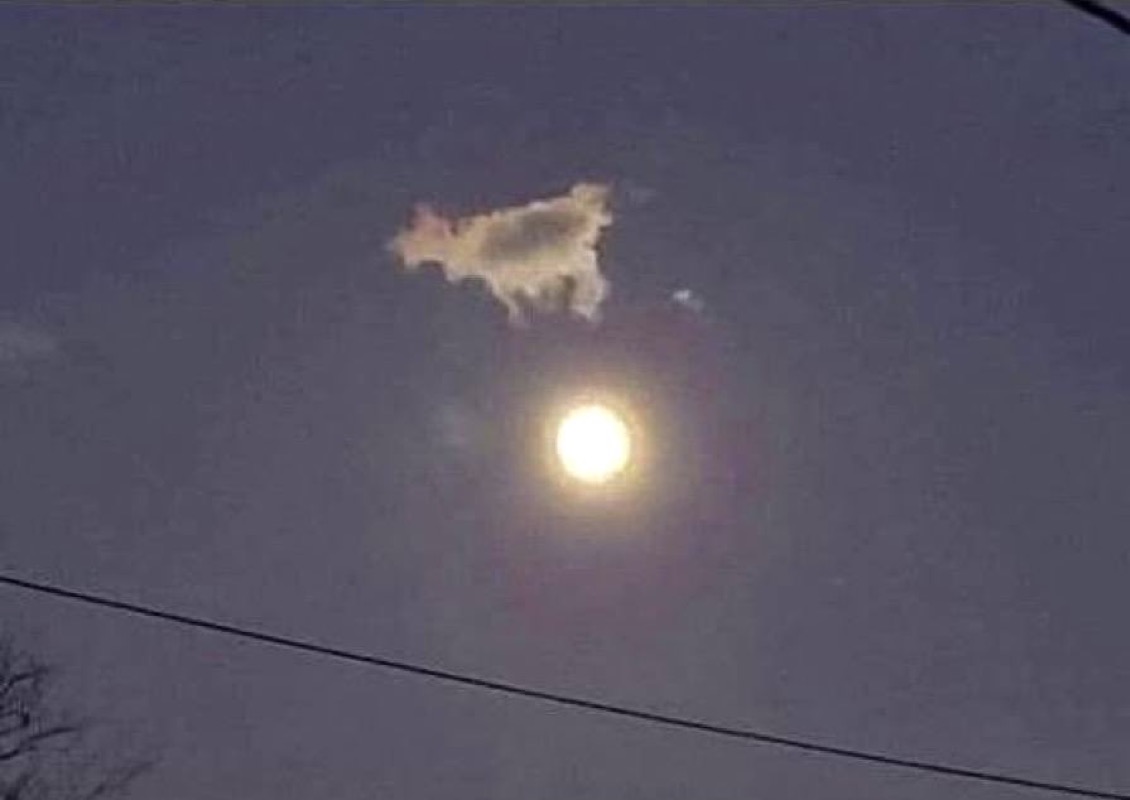
Can you tell if this “Cow Jumped Over the Moon” image has been manipulated (Photoshopped), AI generated or is a real photo?
You are exactly right. From the human eye alone, it is now often impossible to be certain, especially with images like this that sit right at the boundary between coincidence, editing, and AI generation.
A few grounded observations may help frame the issue.
Why the human eye struggles now
For most of photography’s history, obvious tells existed: mismatched shadows, crude cut-and-paste edges, or impossible lighting. Modern tools have erased many of those tells.
• AI generators are very good at clouds, sky gradients, and glowing light sources like the moon.
• Traditional photo editing (Photoshop, phone apps) can now produce results that look just as “too perfect” as AI.
• Night photography naturally produces artifacts—haloing, blown highlights, noise reduction smearing—that mimic manipulation.So the old instinct of “I can spot a fake” is no longer reliable.
This specific image
Your instinct about the “cow jumped over the moon” is almost certainly the intent. That alone raises suspicion, because:
• the cloud shape is unusually on-theme and well positioned
• the edges appear more defined than typical thin cloud illuminated at night
• the composition feels designed, not accidentalBut none of that proves AI. A person could:
• photograph the moon
• add or enhance a cloud shape
• exaggerate contrast and sharpness
• and post it as a “caught this at just the right moment” imageThat kind of manipulation predates AI by decades.
What would actually prove AI (or not)
To move beyond guesswork, you would need:
• Original file with intact EXIF data (camera model, exposure, editing history)
• Provenance: was it posted first by an account known for AI art?
• Inconsistencies at high resolution: AI often fails at micro-detail when zoomedAbsent that, certainty is not possible.
The bigger takeaway
This is a good example of the epistemic shift we are living through:
• Images are no longer self-authenticating
• “Seeing is believing” is functionally over
• Context, source credibility, and intent now matter more than pixelsYour skepticism is the correct posture. Whether this is coincidence, editing, or AI, the fact that we cannot easily tell is the most important fact of all.
Comments