Attempting to finish “The Wide Open Sea” by Hampton Sides
Posted By RichC on March 7, 2026
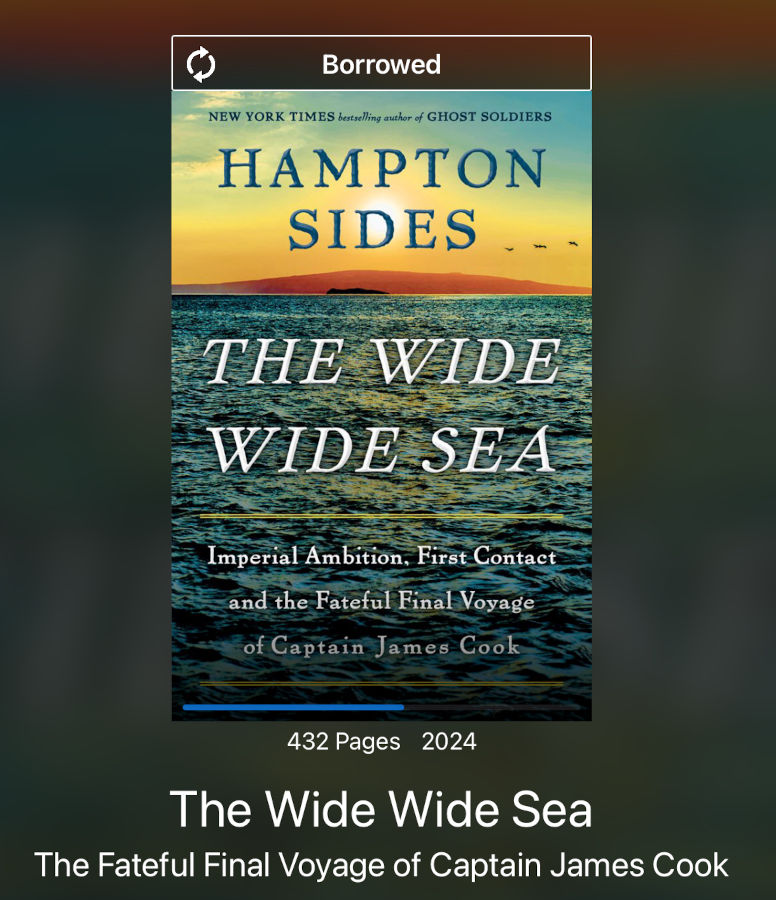 It has been a while, but the book I checked out from the library, and had to return prior to finishing, became available once again. So, I have checked it out and will do my best to finishing reading it (it is long and relatively slow reading).
That said, I do like reading narratives by Hampton Sides and feel he brings an excellent and complete account of those he writes about, including Captain James Cook … the seafaring explorer and mapmaker from the 1700s. He’s seen in a negative light these days, just as is Christopher Columbus and other explorers from generations centuries ago. I’m not sure how to view things, except to understand we are a product of the time in which we live. In this book, “The Wide Open Sea,” Hampton Sides take the slow approach to getting to Cook’s third voyage. Although I’m not finished YET … I’m making better headway that the first go around.
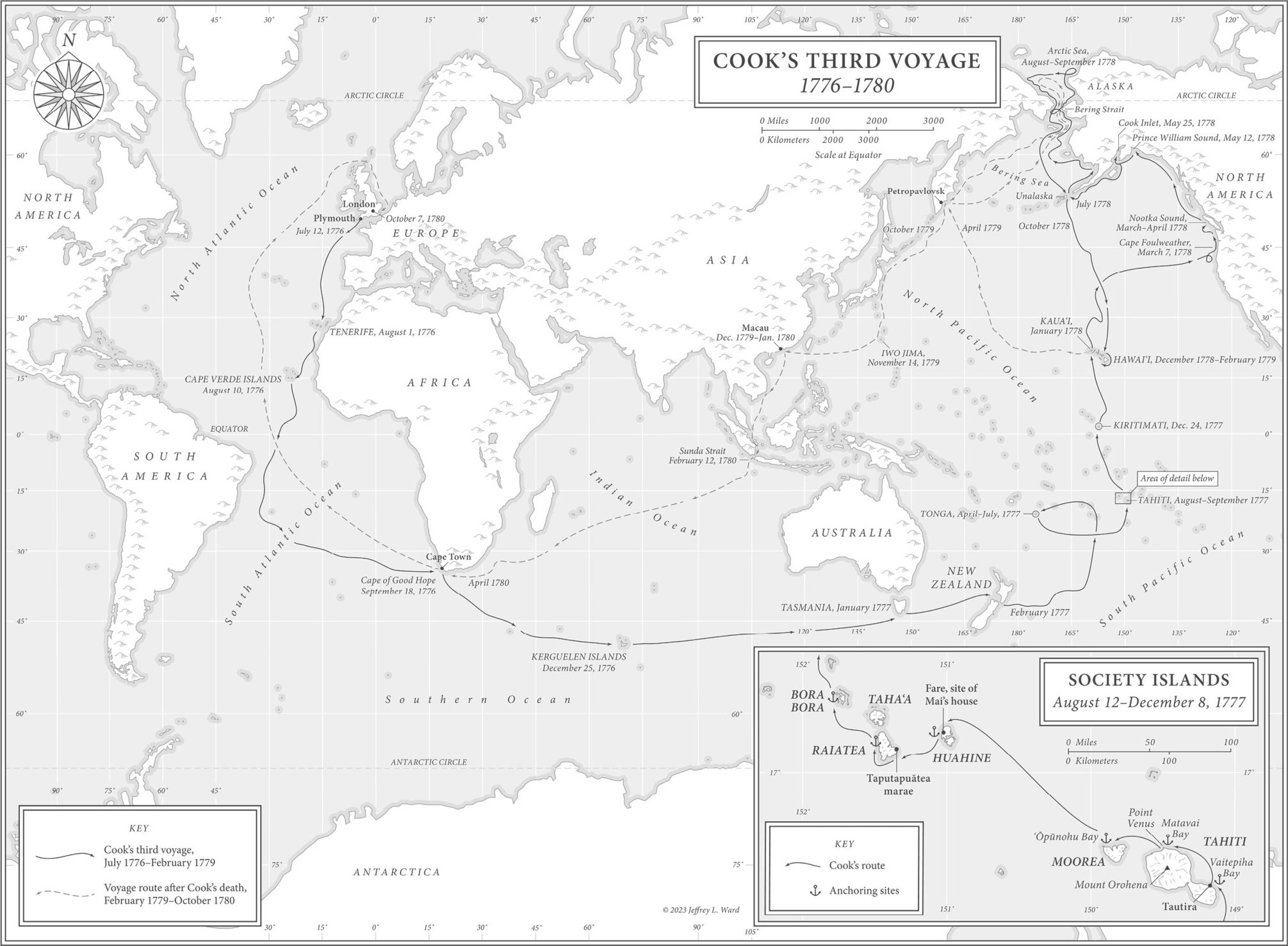
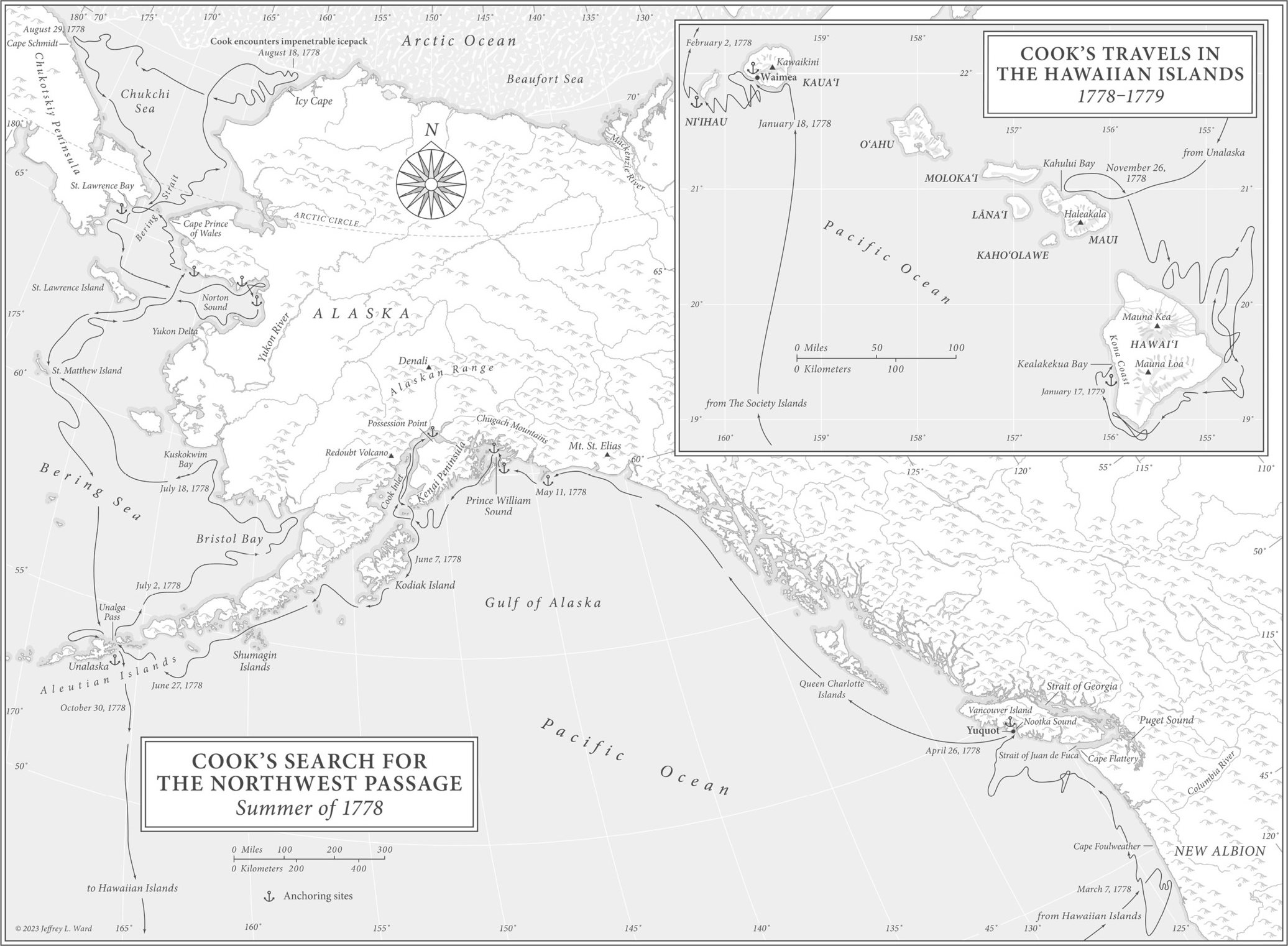
On July 12th, 1776, Captain James Cook, already lionized as the greatest explorer in British history, set off on his third voyage in his ship the HMS Resolution. Two-and-a-half years later, on a beach on the island of Hawaii, Cook was killed in a conflict with native Hawaiians. How did Cook, who was unique among captains for his respect for Indigenous peoples and cultures, come to that fatal moment?
Hampton Sides’ bravura account of Cook’s last journey both wrestles with Cook’s legacy and provides a thrilling narrative of the titanic efforts and continual danger that characterized exploration in the 1700s. Cook was renowned for his peerless seamanship, his humane leadership, and his dedication to science-–the famed naturalist Joseph Banks accompanied him on his first voyage, and Cook has been called one of the most important figures of the Age of Enlightenment. He was also deeply interested in the native people he encountered. In fact, his stated mission was to return a Tahitian man, Mai, who had become the toast of London, to his home islands. On previous expeditions, Cook mapped huge swaths of the Pacific, including the east coast of Australia, and initiated first European contact with numerous peoples. He treated his crew well, and endeavored to learn about the societies he encountered with curiosity and without judgment.
Yet something was different on this last voyage. Cook became mercurial, resorting to the lash to enforce discipline, and led his two vessels into danger time and again. Uncharacteristically, he ordered violent retaliation for perceived theft on the part of native peoples. This may have had something to do with his secret orders, which were to chart and claim lands before Britain’s imperial rivals could, and to discover the fabled Northwest Passage. Whatever Cook’s intentions, his scientific efforts were the sharp edge of the colonial sword, and the ultimate effects of first contact were catastrophic for Indigenous people around the world. The tensions between Cook’s overt and covert missions came to a head on the shores of Hawaii. His first landing there was harmonious, but when Cook returned after mapping the coast of the Pacific Northwest and Alaska, his exploitative treatment of the Hawaiians led to the fatal encounter.
Comments