Enjoyed meeting with the EAA284.org guys on Sunday
Posted By RichC on March 9, 2009
Small and informal (as usual) EAA284.org gathering on Sunday afternoon and continued to discuss a couple rib stitching and wing/fuselage covering options. Stewart Systems less toxic EkoBond were looked at (PDF Manual) and we entertained thoughts on possibly creating a How-To video for making stitching needles from welding rods. Although I’m building an aluminum aircraft, learning about rib stitching is enjoyable. (I’m going to have to work on my knot-tying, although I’m sure I’ll find myself dreaming about sailing?)
😀
I also appreciated the information one member brought in as to “incident” vs. “accident” reporting and how it might be wise not to call 911 for non-lifethreatening situations. He shared a horror story of airplane butchery by emergency responders when they cut open a flipped plane rather than lifting the tail. Educating the fire department near a local airfield could be an excellent community outreach project for EAA chapters?
Another subject that came up is continuing our pursuit of non-profit tax exemption and this years filing of our IRS 990N paperwork — postcard. I’m starting here for both the EAA284.org and CinciTDI.com groups. I’m all ears if there are experts willing to offer their advice in keeping things simple.
–
Annual Electronic Filing Requirement for Small Exempt Organizations — Form 990-N (e-Postcard) |
||||
|
Page Last Reviewed or Updated: February 04, 2009
 Although her life was full and death was peaceful, it is difficult for me to say an earthly goodbye to my wonderful Aunt Lois. She was my closest aunt (my mother’s only sister) and growing up we were always together with her and her

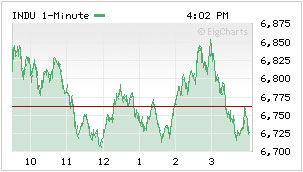 I’ll keep this post short since my mood is the same; the markets tried to find a reason to bounce after loosing 299 point on the DJIA yesterday, but traders and investors would have none of it. The averages did cross yesterday’s ‘ugly’ close a couple time throughout trading on Tuesday, but in the end few were comfortable holding onto positions. Today’s loss was a little over a 1/2% seeing the DJIA down 37.27 to 6726.02 making it the lowest in 13 years.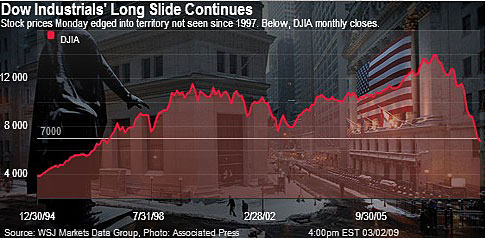
 Today’s