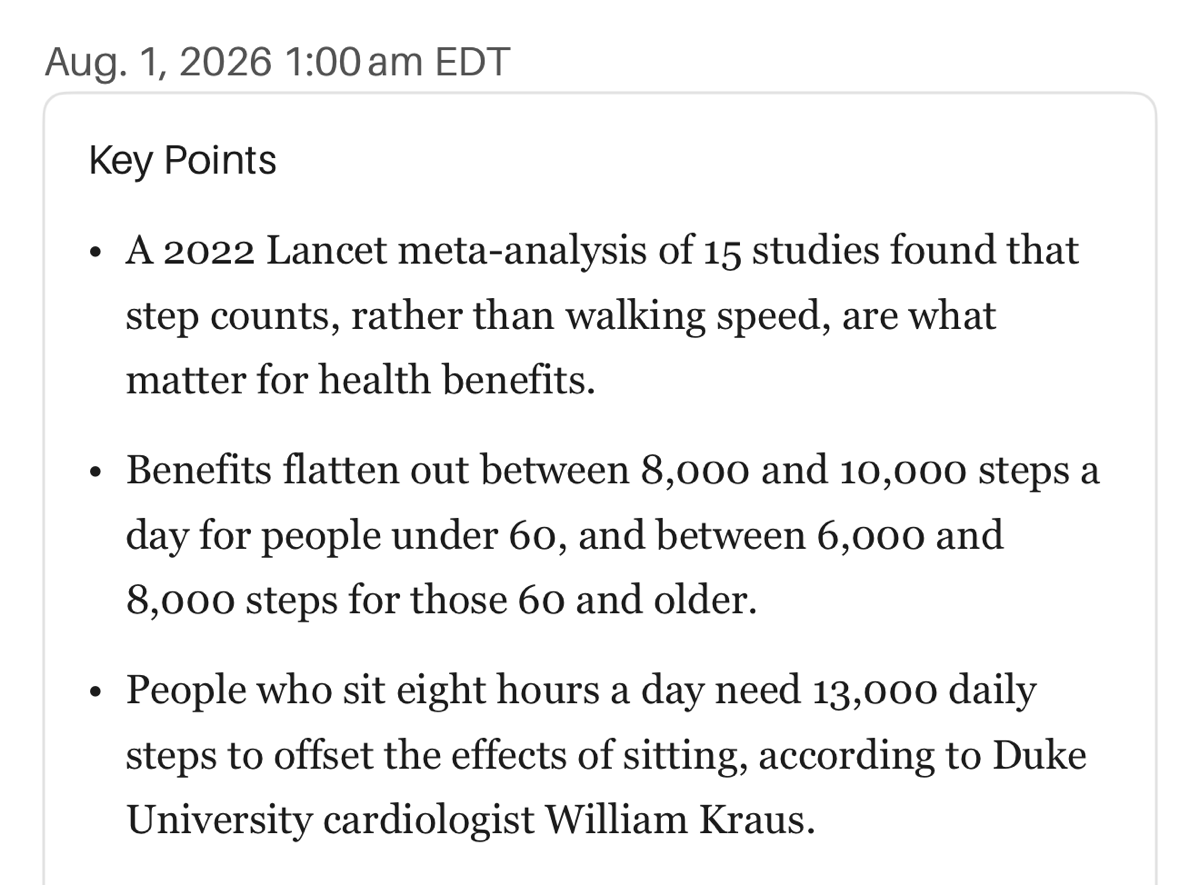
Anthropic’s Claude, and likely others, will begin rolling out watermarking artificial intelligence generated content
Posted By RichC on August 16, 2026
Anthropic recently confirmed that Claude AI will  now embed invisible watermarks into AI-generated text, in order to comply with the EU AI Act’s transparency rules that took effect August 2. The watermark travels with the text even after copying and light editing, and doesn’t affect readability — you’d never spot it by eye.
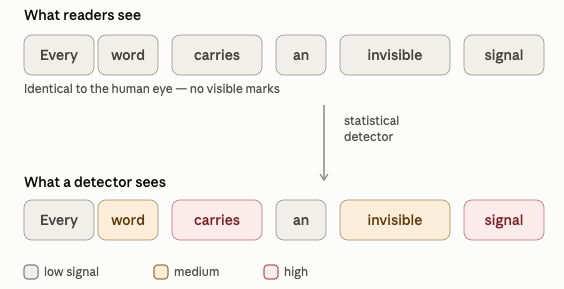
Here’s how it works according to ClaudeAI:
Anthropic is now embedding invisible, machine-readable watermarks into text (and signed provenance metadata into files) generated by Claude, in order to comply with the EU AI Act’s Transparency Code, which took effect on August 2, 2026 and requires AI companies to mark AI-generated or edited content in a way other systems can identify.
When a supported Claude model generates text, it weaves an imperceptible watermark directly into the text itself — invisible to readers, and it will survive copying and pasting, even light editing.
For images and other files, Claude uses signed provenance metadata based on the open C2PA standard (Coalition for Content Provenance and Authenticity) for JPG, PNG, and SVG files.
The watermark applies to essentially all text Claude outputs — even assistive edits like translation, summarizing, or proofreading — not just fully AI-authored content, which goes beyond what the EU Code technically requires (the Code has an exception for “standard editing” that doesn’t substantially alter meaning). Anthropic chose to apply it broadly anyway, erring on the side of caution.
Rollout
- Claude models launched on or after August 2, 2026 support this marking at launch, and it applies across Claude Platform (API), Claude.ai, Claude Code, Claude Cowork, and Claude Tag, worldwide.
- Anthropic is still working on adding marking support to older models, with a transition period built in for models launched before August 2.
Reaction
It’s gotten a notably mixed/negative response. Backlash intensified as users pushed back against the idea that AI use would now be detectable in their own work, sparking debate over who deserves credit for AI-assisted writing — the tool or the person who directed it. Critics also note the flat “AI-generated” label doesn’t distinguish between someone mass-producing fake content and someone just using Claude to polish a paragraph or translate a transcript.

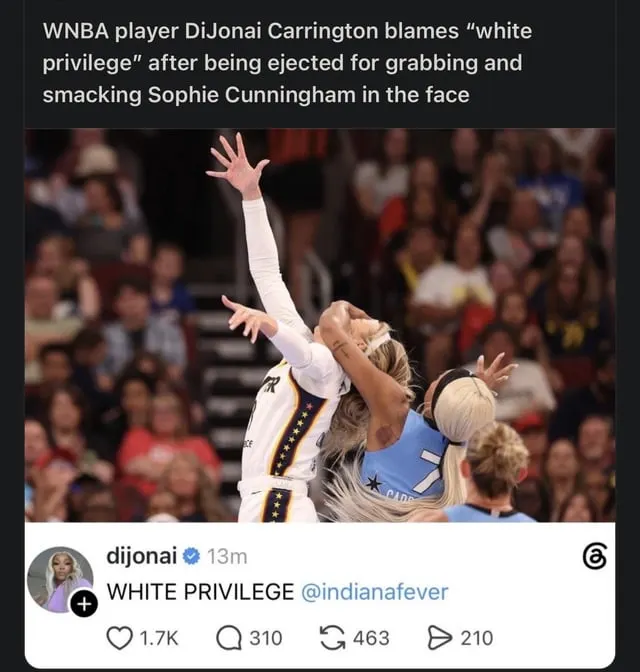
 in my book … but on the other hand, generates a lot more attention for the WNBA.


 shares aggressively, and pursued takeovers that further reduced the public float, according to