Although I can’t speak for other accelerated medical schools, the BSMD program at NEOUCOM is extraordinarily competitive and the high school applicants are put though an intensive academic review and interview process. These 17 and 18 year old juniors and seniors are scrutinized not only for their SAT/ACT score and transcripts, but for their maturity and study habits. Of the nearly 2000 student who apply, a mere 105 are accepted into one of three feeder university programs: Kent State University, the University of Akron and Youngstown State University. Each consortium university has created unique schedules, guidance and classes that cater to this accelerated two full year undergraduate education. Over the years, they have learned how to prepare students for the challenging MCAT required for entry to medical school.
The work and load in these first two undergraduate years is intense and there is little room for mistake when it comes to grades or scheduling. 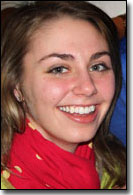 The number of classes per semester is a grueling as this is a year-round schedule; it requires constant focus and study habits similar to what first or second year medical student will face. For these BSMD undergraduate students, falling behind is not an option as there just isn’t time to catch back up. As the article mentions, about 1/3 opt to either slow it down and take a third year, or opt to take time off to work, study overseas or even do some community service or missions work. My daughter’s only regret is that there wasn’t much free time for electives or extra-curricular college activities enjoyed by traditional 4 year students. Still, compared to the normal 8 years of school (4 undergrad, 4 medical school) followed by a multi year residency and possible specialty beyond that, shaving two (or often just one) year off the undergraduate portion of one’s education is a significant savings, both in time and dollars.
I’m of the opinion that an accelerated program managed correctly is an appropriate way to prepare some unique students to be doctors. If you were to take a close look the average pre-med freshman college student and a NEOUCOM 6-year BSMD first year student, you would quickly realize that they are at a different starting point.
From the issue dated February 6, 2009
New Medical-School Programs Put Students on a Fast Track to the White Coat
By KATHERINE MANGAN
In January, California’s lieutenant governor proposed a fast-track medical school that would shave three years off the training needed to become a physician. It wasn’t the first time such an idea had raised eyebrows.
His proposal, for a hoped-for medical school at the University of California at Merced, struck some medical educators as both unrealistic and unwise, for it drastically compresses the eight years it usually takes to earn an M.D. (It typically takes four years of undergraduate work followed by four years of medical study.) “There are reasons it takes time to become a doctor, and you don’t want it to become a trade school,” says Robert H. Eaglen, a former executive at the Liaison Committee on Medical Education, which accredits medical schools.
But a handful of medical schools have, for decades, offered six-year programs that combine undergraduate and graduate degrees to students who are in a hurry to become doctors. And starting this fall, Tulane University’s medical school hopes to join them, breaking up the degrees with a year of community service. (See article, Page A9.)
Accelerated options persist, their supporters say, because they offer a sensible solution for today’s shrinking state budgets, soaring tuition, and looming doctor shortage. “We have a desperate need for more doctors, and this program could significantly lower the cost both to the students and to the state,” says John Garamendi, a University of California regent and the state’s lieutenant governor.
Given California’s fiscal crisis and the already announced cuts in higher education, however, it is unclear what chance even a slimmed-down medical school has in the near future.
At the same time, economic woes reinforce the need to come up with a more affordable model for medical education.
“It’s becoming a hot topic,” says Henry M. Sondheimer, senior director for student affairs and programs at the Association of American Medical Colleges. “Everyone is very aware of the length of training, total cost, and indebtedness of young physicians.”
The median debt for 2008 medical-school graduates, he said, was $155,000. Students saddled with that kind of debt are less likely to enter primary care, a field that’s in great demand but has one of the lowest salaries.
Making Doctors More Quickly
Eighteen-year-olds who enter a public medical-school consortium in Ohio and keep their noses to the grindstone can emerge after six years — not eight — as physicians ready to start their residencies. Northeastern Ohio Universities College of Medicine is a public school whose partners are the University of Akron, Kent State, and Youngstown State Universities. High-school graduates start the program in the summer and enter one of the three universities for two years of premedical study. If they do well, they enter the four-year medical phase.
The program works for mature, committed students who have excelled academically and can handle the rigorous course load, says Polly Moss, assistant dean for student affairs and admissions.
“At least a third of our students take an extra year of undergraduate study for various reasons,” she says. “They may need to for academic reasons, or they may simply say, ‘I want to slow down.'”
The Ohio program accepts 105 students each year, and 80 percent to 85 percent of them go on to graduate from medical school with debt that is $15,000 to $25,000 less than the national average, Ms. Moss says.
Mr. Eaglen, who is now a scholar in residence at Northeastern Ohio, says there are things students may miss by speeding up. “Students in traditional programs will likely have more exposure to the liberal arts and appreciate the contributions of social sciences to medicine,” he says.
At age 24, Jason Tank is a first-year resident in orthopedics at an Akron hospital. He says that the program was intense but that he still found time to play rugby and do community service. “It was a sprint from the beginning, but I knew in high school that I wanted to be a doctor and liked the idea of finishing in six years.”
The University of Missouri at Kansas City School of Medicine offers a similar six-year program. Beginning the first year of undergraduate premedical study, groups of 10 to 12 students meet weekly with a physician, who serves as their mentor over the next few years.
A few other medical schools offer shortened programs to small cohorts of students.
Jefferson Medical College and Pennsylvania State University have teamed up to give 25 to 30 students a year a chance to complete two years of undergraduate education at Penn State followed by four years of medical school at Jefferson, part of Thomas Jefferson University.
About 10 of Howard University’s 120 incoming medical students will participate in a six-year program.
Carla Gordon, a first-year medical student from New Orleans, is the kind of student such programs attract. The daughter of two pharmacists, she got her feet wet while still in high school, assisting researchers who were studying strokes and epilepsy at a Louisiana State University teaching hospital.
The 20-year-old has finished her premedical study and will graduate from Howard’s medical school at age 24. Then she will start a residency program that could last between three and eight years, depending on the specialty she chooses. “I want to have kids in the future, so I like the idea of finishing my education quickly and getting settled in my career first,” she says. “That way, even if I go into an intensive residency like neurosurgery, I won’t mind committing the eight extra years because I will have already shaved two years off.”
New Ways of Training
Some medical educators are also studying ways to shorten the other end of the pipeline by trimming a year off the expensive period of graduate education.
“Nearly three-quarters of the students entering medical school come from households in the top quintile of earnings,” says Michael E. Whitcomb, a former editor of Academic Medicine. “The field is becoming elitist, and that’s not what the country needs.”
In the 1970s, a number of schools went to a three-year model, but gave up, partly because students had to skip summer vacations and work straight through the three years. Both students and faculty members quickly burned out, says Barbara Barzansky, director of undergraduate medical education for the medical schools’ accrediting body.
Meanwhile, in California, the debate continues over the best way to educate more doctors for the underserved San Joaquin Valley, where the Merced campus is located and where it hopes to build a medical school.
Under the lieutenant governor’s plan, students could earn a medical degree in as little as five years, going to school year-round for the first three or four years.
They would be recruited from area high schools and begin their premedical studies at the Merced campus or at local community colleges. At that point, they could take classes with nursing students. Medical students would then split off and complete their clinical training in existing medical centers and clinics, instead of at an expensive research-oriented teaching hospital.
“Central Valley is one of the most underserved areas in the country, with some of the worst health statistics,” Mr. Garamendi says of the remote, rural region.
Officials at the Merced campus had little to say about his proposal. The plan “is just one of several creative approaches being discussed,” says Brandy Ramos Nikaido, a spokeswoman for Merced, which opened in 2005 with the intent of becoming a major research university.
John D. Stobo, senior vice president for health sciences and services for the University of California system, says he supports Mr. Garamendi’s goals. But he cautions that a focus on churning out doctors could shortchange the scientific and research underpinnings essential to medical education.
“There has to be scientific rigor. It can’t just be an apprenticeship,” he says. Hurrying students through medical school carries other risks, Dr. Stobo says. “One of the concerns is a lack of maturity of the students and the fact that they may not get enough exposure to areas other than science.”
But for graduates like Dr. Tank, the trade-off is worth it. “To me, two years in practice is better than two more years in college.”

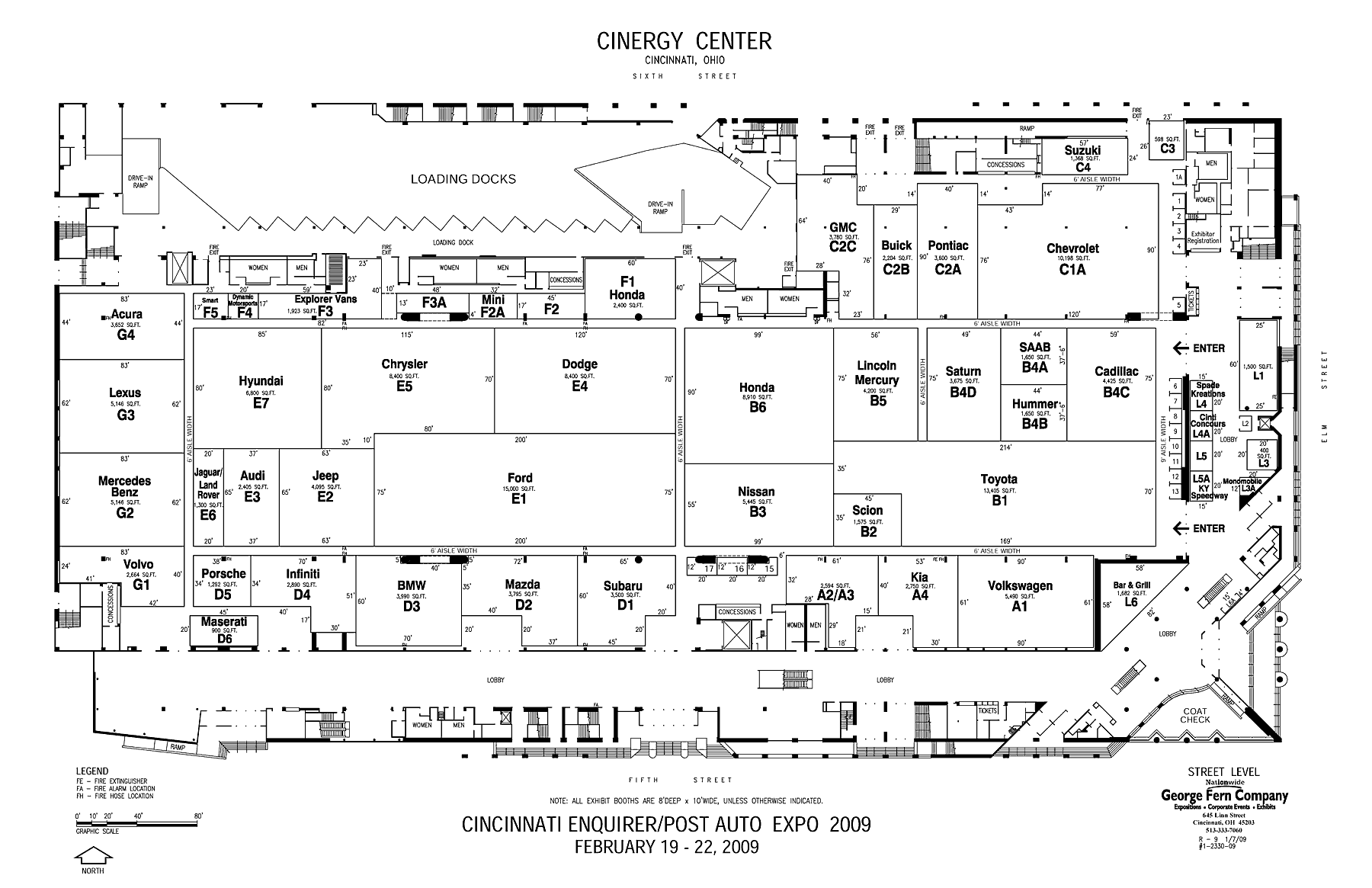



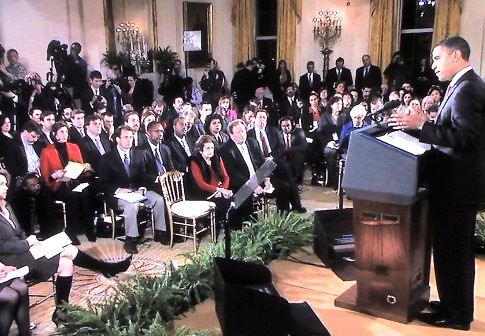

 Stowe departed on the 1000-day voyage on
 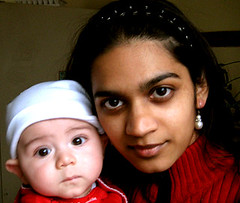 One of the more pecular twists to this oddessy is that Reid and Soanya also had a baby last year yet the voyage continues. She writes over Christmas this past December in answering a readers question about marriage:
 On Saturday, the
  People often ask me what make a diesel car attractive enough that one would be willing to not only pay the couple thousand premium on the sticker, but find fewer marketing promotions at dealerships? I’ll usually point to the solid resale and better fuel economy, which is usually a topic of conversation at our GTGs. But, a couple days ago I was reminded when reading an automotive question and answer section in the newspaper that diesel owners also expect longer service from their engines.
  A:
A: