Timing belt intervals improve … but beware
Posted By RichC on December 23, 2007
 The timing belt replacement is the bane of Volkswagen TDI ownership — partially due to the complexity and cost of servicing, yet it needs to be taken seriously as in any zero-clearance engine. Understanding what’s included in changing timing belts of any car can help one better understand what should be included in this service.
Pat Goss reviewed timing belts on in a current episode of Motorweek, and although the reference is not TDI specific, the . Due to improving the timing belts, the life of a belt is much longer, but what other replacement parts need to be considered?

For many small diesel owners, the timing belt change can be the single most costly service they encounter, and it can quickly increase the cost of ownership. We know that recommended service on earlier TDI can be as low as 40,000 miles or in later models as high as 100,000, so it is important to note these service intervals. If you are an ambitious weekend mechanic and have access to special VW oriented tools, the extensive repair can be done at home. You might want to observe someone else doing a timing belt change first, either in person or on video since the service is relatively extensive. Parts and kits are available from TDI specific vendor — I’ve mention two sources in an earlier post.
For those of you spending the big bucks at you local dealership to have this service done, you might note the number of bearings, waterpump, fuel injection pump, etc that are managed by the timing belt in the below video clip. (not a TDI displayed) THEN think about accessing this belt while the engine is IN the car … you’ll soon realize why it is costly and more importantly why it is important to replace the idlers, waterpump, etc when changing the timing belt. Its better to replace a half worn $50 water pump when the engine is apart than having to do it a few thousand miles after you replace the belt!



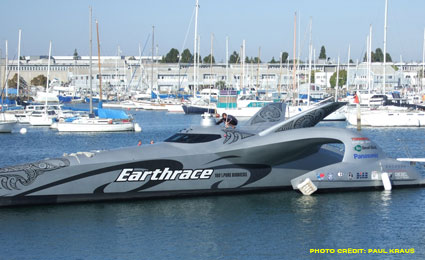
 To promote biodiesel as an alternative to petroleum diesel, the Earthrace boat will run on 100% biodiesel made from a variety of feedstocks, including about 2-1/2 gallons of human fat donated by the captain himself and two other volunteers through liposuction. (a bit over the top, if you ask me?)
 The U.S. House of Representatives passed the Energy Independence and Security Act of 2007 by a 314-100 margin which is the same legislation that the Senate passed last week. It now moves to the desk of President Bush who has indicated that he will sign it. The promising legislation looks good for the expansion of alternative renewable fuels such as biodiesel. According to Joe Jobe of the
  The bill expands the Renewable Fuels Standard (RFS) that will legislate a larger renewable requirement be included in the diesel fuel pool. It increases the minimum requirement from 500 million gallons in 2009 to 1 billion gallons in 2012. These aggressive numbers will create a solid market for the business of biodiesel and better secure the investment risk in infrastructure required to produce these millions of more gallons of biodiesel. The bill also includes a requirement for fuel labeling which increase both consumer awareness and bolster their confidence in the quality of U.S. renewable fuels.


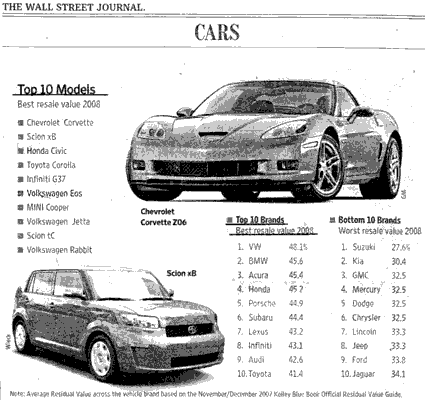
 Winter weather has arrived and many drivers ‘new and old’ are remembering how to drive on slippery road again. Having a teenage driver who is still learning to manage rain, ice and snow is a recipe for car repairs — few escape unscathed, from what I can tell?
  As a filler for a missed Saturday post, I’ll include a tech oriented “just for fun”