Cuphea and biodiesel ‘cold weather’ properties
Posted By RichC on November 1, 2005

As winter and cold weather nears, those of us running ‘Biodiesel’ need to re-evaluate our alternative fueling strategies. Many return to petroleum diesel (D2) in order to avoid potential gelling and fuel starvation problems associated with untreated biodiesel. Even those running treated biodiesel are concerned as most treatments only lower the cloud and gell points of B100 (100% biodiesel) to just under the freezing point. Usually I just blend biodiesel with a treated D2 for simplicity and settle for about a B20 mix.
Lately though, I’ve been reading with some interest about Cuphea (Lythraceae). The flowering Cuphea plant produces a tiny oilseed, which contains lauric acid and other natural fatty acids. Modified lauric acid is used in a variety of household products, including soaps, detergents, shampoos and toothpastes. The hybrid version of the Midwestern US grown crop is currently being monitored by a couple university ag programs and is planted in less than 100 acres nationwide. A primary benefit for biodiesel is that it seems to have outstanding properties that could address the cold climate issues. Cuphea oil “has been used in the development of a model diesel fuel and lubricant where superior physical properties compared to petroleum products were observed. In the case of lubricants, estolides were synthesized using Cuphea fatty acids and oleic acid to give a material with a pour point of -42 deg C and a rotating bomb oxygen test (RBOT) time of 420 minutes.” (see USDA Agracultural Research Service study.)
I’ve clipped couple of quotes from an email that I’ll include below:
“This is a specialty crop that literally has the potential to be a major new oilseed crop,” said Andrew Hebard, CEO of Technology Crops International, a global specialty crop production company that is leading commercialization of the crop. â€We will be looking to significantly increase our contract crop production of cuphea in 2006 and are seeking qualified growers interested in spearheading its commercialization at the farm level.”
“This crop holds tremendous potential for Midwest growers,” Hebard said. “Much like sunflower, the plant grows best in continental temperate climates, which is welcome news to farmers in Minnesota, Iowa and North Dakota.”
“The properties of cuphea oil make it ideal for overcoming the challenges of existing biodiesel products,” said Chris Zygarlicke, deputy associate director for research at the University of North Dakota’s Energy & Environmental Research Center (EERC). The Center is partnering with the U.S. Department of Energy, the Agricultural Utilization Research Institute and Technology Crops International in a research project focused on utilizing cuphea oils to develop a biodiesel with cold-flow properties equivalent to or better than those of petroleum diesel.
For example, below -20 degrees C, aircraft fuel thickens, creating pumping problems, but the addition of oil extracted from cuphea reduces the fuel’s freezing point. The project is administrated by EERC’s Center for Biomass Utilization, which is co funded by the Department of Energy and various corporate partners, and promotes research and development in converting biomass to energy, fuels and marketable products.
Technology Crops International will hold grower sign-up meetings in the Midwest in December and January.
 Last night I watched the
 John was quick to toss me the keys and let me zip around some corners … and ‘zip’ is the optimum word.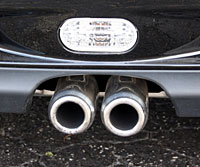








 Jermaine Dye’s single was all that was needed for the White Sox to complete the sweep of the Houston Astros. Last night’s game was a defensive nailbiter with outstanding pitching and World Series defensive play by both teams. Dye’s 8th inning single put Chicago White Sox up 1 -0 and gave Sox fans their first World Series title in 88 years. (1917) The Astros became the 19th team to suffer a championship sweep while the White Sox made their first Series appearance since 1959 in convincing style.
 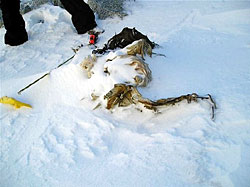 Interesting story: A body believed to be that of a World War II airman, found frozen in the Sierra Nevada Mountains of California was found by recreational climbers. The spotted a body with an Army uniform still attached to a world war two parachute. On Monday the body was sent to Hickam Air Force Base in Hawaii for identification.

 Some of your reading my blog are diesel drivers and find the VW TDI or diesel content interesting so I’m making a late afternoon entry to point you to one of my favorite journalists and podcasters, Frank Giovinazzi. He had an opportunity to interview Tony Fouladpour, public relations manager of Volkswagen and talk about VW TDIs, diesel fuel and what the future ‘might’ hold for them in the US. I found Mr. Fouladpour comments rather reserved, how about you? Check it out over at