Family weekend, a new Volkswagen and the prodigal son returns
Posted By RichC on August 29, 2017
This content is restricted.
Posted By RichC on August 29, 2017
This content is restricted.
Posted By RichC on August 28, 2017
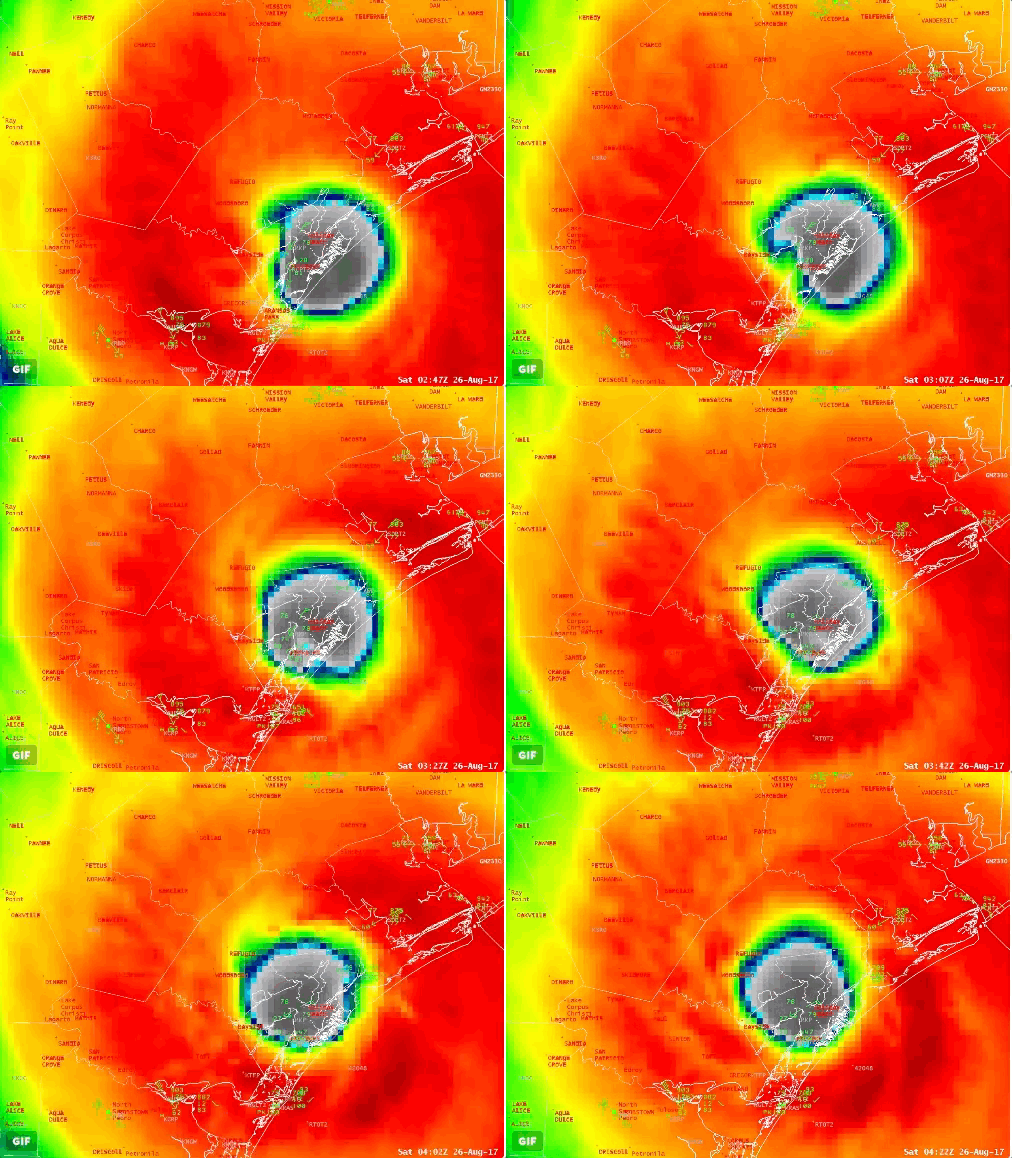
Having been away from my computer this past weekend has left me way delayed on posting the landfall of Hurricane Harvey as it piled into southeastern Texas with enough category 4 wind to pummel the coastline and an unprecedented amount of rain causing catastrophic flooding.
The residents of the fourth largest populated city of Houston are continuing to suffer as the now tropical storms movement is to the north and east. This slow progression adds to the already devastating rainfall and flooding. As if that wasn’t enough, some forecasters have Harvey scooping up more moisture from the Gulf of Mexico and threatening to flood well into Louisiana and even further east. Preliminary losses due to this storm are already making this killer hurricane (at least 8 deaths) an insurance nightmare as JPMorgan sees them as high as $20 Billion.
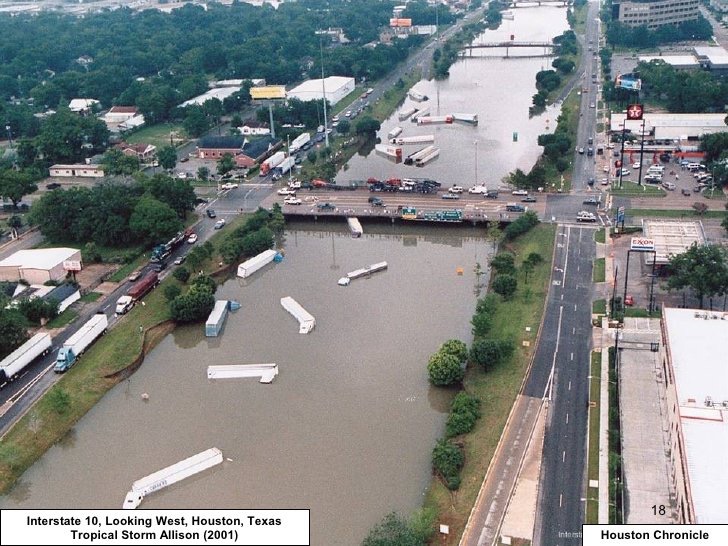
In the Greater Houston/Southeast Texas region, an estimated 9 trillion gallons (34 km3) of rain had fallen by the afternoon of August 27, more than any documented tropical system in U.S. history.
An additional 5 to 10 trillion gallons (19 to 38 km3) are expected before the storm dissipates. Many locations in the metro area observed at least 20 in (510 mm) of precipitation, with a maximum of 39.72 in (1,009 mm) near Dayton. The local National Weather Service office in Houston observed consecutive all-time daily rainfall accumulations on August 26 and 27, measured at 14.4 in (370 mm) and 16.08 in (408 mm) respectively. Locally, some areas may receive as much as 50 in (1,300 mm) of rain. During the storm, more than 800 Houston area flights were canceled, including 704 at George Bush Intercontinental Airport and 123 at William P. Hobby Airport. Both airports eventually closed. Several tornadoes were spawned in the area, one of which damaged or destroyed the roofs of dozens of homes in Sienna Plantation. As of August 27, six fatalities have been confirmed from flooding in the Houston area. Late on August 27, a mandatory evacuation was issued for all of Bay City as model projections indicated the downtown area would be inundated by 10 ft (3.0 m) of water. Flooding was anticipated to cut off access to the city around 1:00 p.m. CDT on August 28. On August 28, the U.S. Army Corps of Engineers began controlled water releases from Addicks and Barker Reservoirs in the Buffalo Bayou watershed in an attempt to manage flood levels in the immediate area. According to the local Corps commander, “It’s going to be better to release the water through the gates directly into Buffalo Bayou as opposed to letting it go around the end and through additional neighborhoods and ultimately into the bayou.” At the time the releases started, the reservoirs had been rising at more than 6 inches (15 cm) per hour. Throughout Texas, more than 300,000 people were left without electricity and billions of dollars of property damage was sustained. The refinery industry capacity was reduced, and oil and gas production was affected in the Gulf of Mexico and inland Texas.

Posted By RichC on August 28, 2017
Good visual video advice on How to tie a cleat hitch from APS – three different options and reasons for each.
Posted By RichC on August 27, 2017
Posted By RichC on August 26, 2017
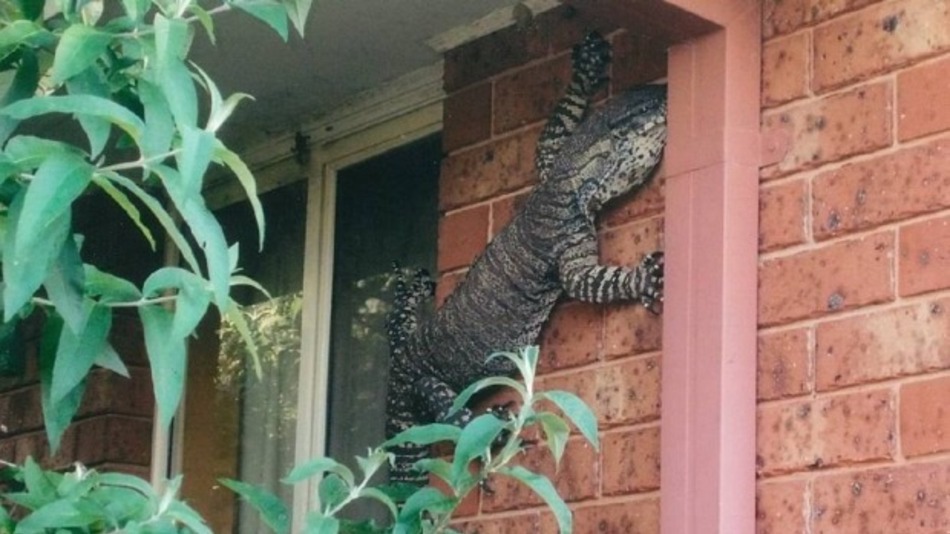
A month or so ago I blogged that the small little chameleons that ran around the condo in Delray Beach, Florida have grown up and "moved next door" … BUT thankfully they are not the ones this homeowner in Australia deals with! Yikes!
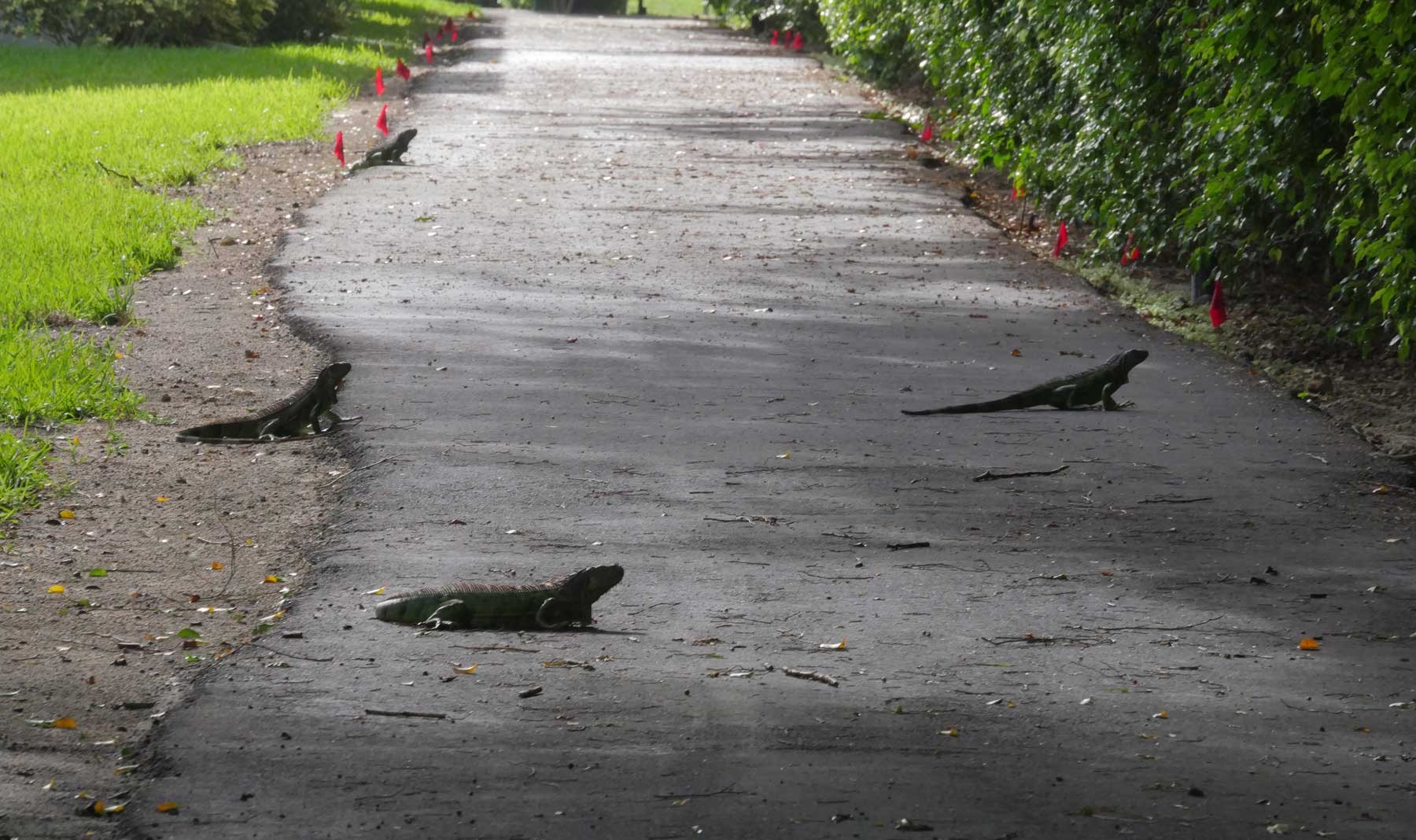
Photo (above) from July 2017 at the Delray Beach, Florida condo — new residence this year!
Posted By RichC on August 25, 2017
 While listening to the early comments from the technology pages and news programs regarding Samsung (Galaxy Note 8) and Apple (iPhone 8 – ???)releasing their new smartphone models, I realized there are features I haven’t used much.
One of the camera upgrades coming to the new Samsung Note 8 phone is a portrait mode like my current Apple iPhone7 Plus. I’m including a "portrait mode" photo … although an attempt without a human model — just an insect. The blurred background is a selective focus feature those of us who enjoy "real photography" as a hobby have used for years. The technique is to use a longer lens, faster shutter and lower f-stop (open aperture). It is a great feature to put on smartphone IF users remember to use it. 
Posted By RichC on August 24, 2017
This content is restricted.
Posted By RichC on August 23, 2017

Posted By RichC on August 22, 2017
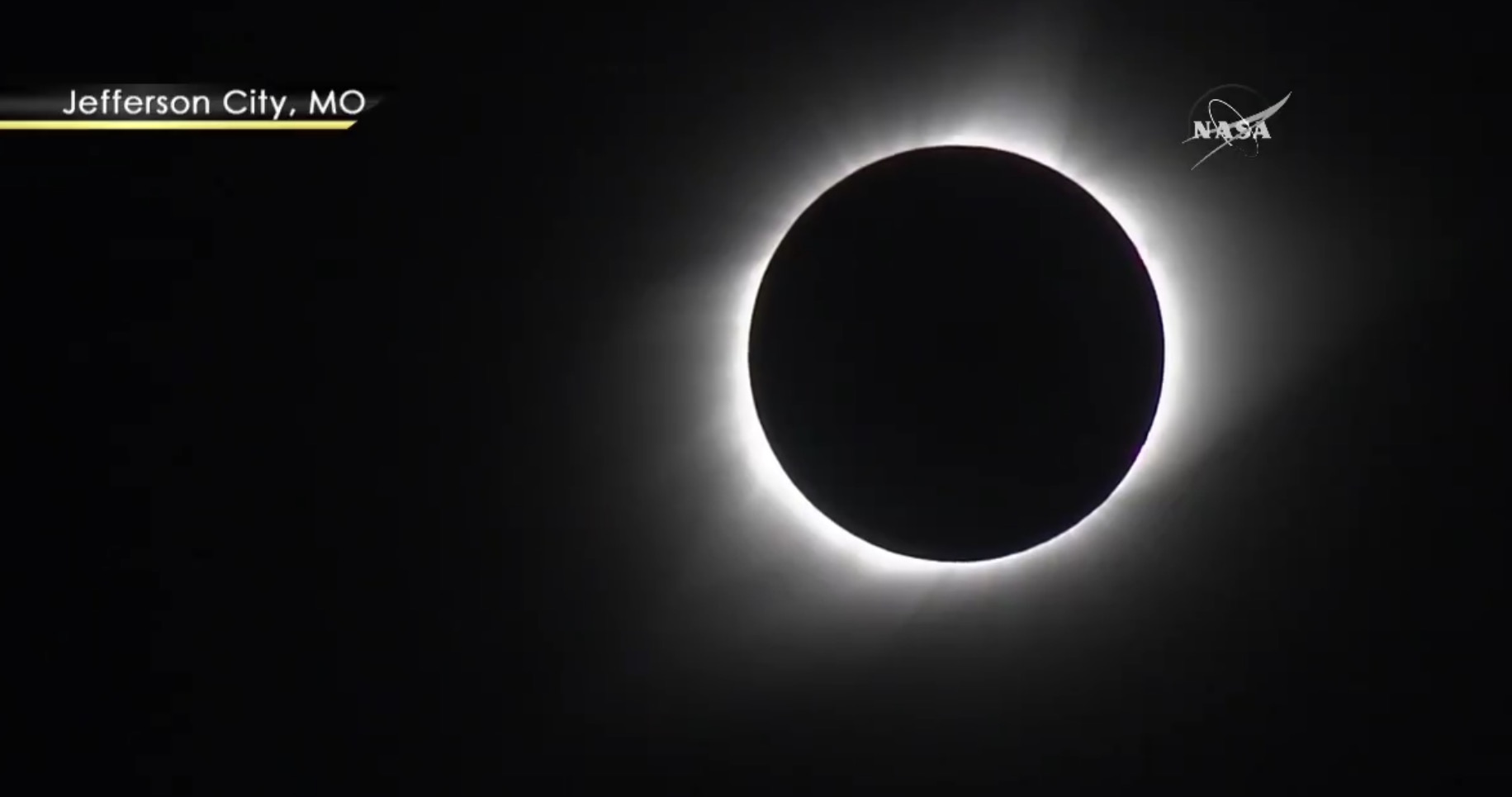
For the good photos check in with NASA (above) or a professional photographer who travels to the optimal locations and spends more than 5 minutes taping a welding filter to his camera … for a less than perfect “time-lapse” solar eclipse attempt, check my photos below. It was at least fun to mark the occasion; maybe I’ll give it another try in 2024?
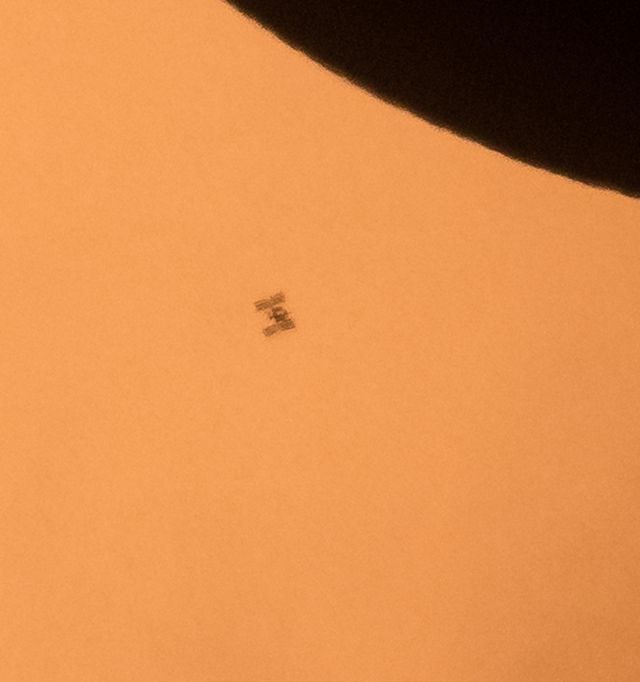
Sun and moon eclipse photos aside, the real treat was a NASA photographer catching the International Space Station passing in front of the sun while in partial eclipse (below) … how cool is that?
Posted By RichC on August 21, 2017
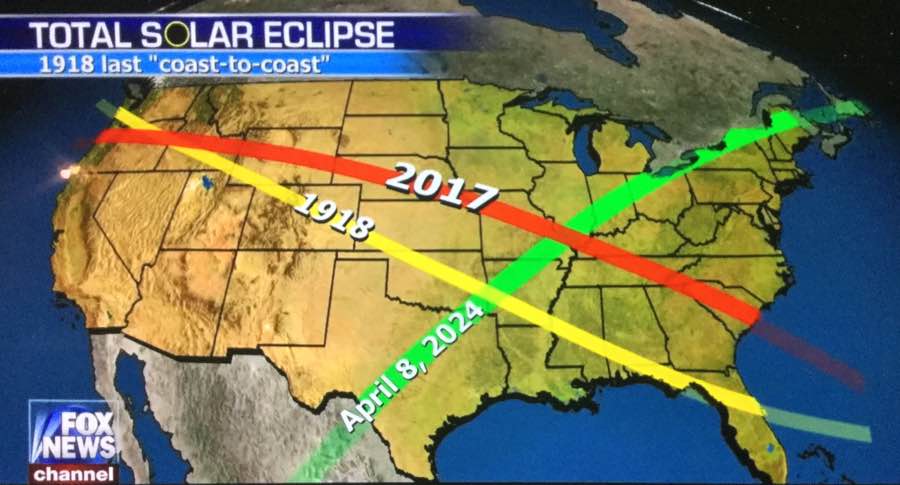
 The last time our continent had a total solar eclipse was 1991 and so getting a chance to view 2017’s is a rare opportunity. Not everybody will be traveling to the “belted area” across the country, but most will have a chance to see a partial eclipse.
According to NASA, “an estimated 500 million people will be able to observe the August 21, 2017 total solar eclipse, in partial or total form: 391 million in the U.S., 35 million in Canada, and 119 million in Mexico (plus Central America and parts of South America and northwestern Europe).”
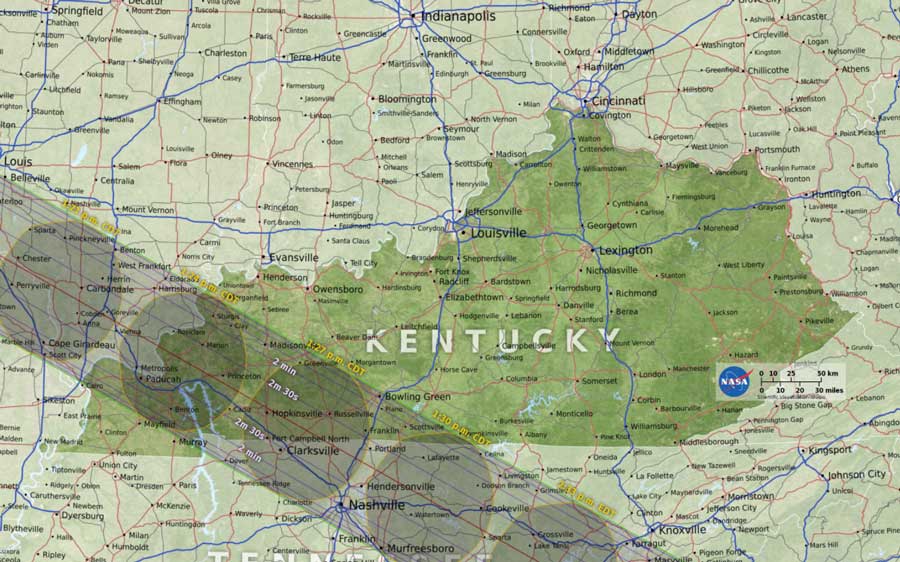
For those of us in and around Cincinnati, but still on Eastern Standard Time, get ready to check out the sky in the mid-afternoon. Below is the NASA map projecting the Total Solar Eclipse as it passes from west to east — NOTE: Bowling Green KY and Nashville TN along I-65 look like pretty good spots.
If you end up with cloud cover or miss the opportunity to view, there is another total eclipse opportunity in the U.S. in 2024 depending on where you live.