U.S. markets closed on a high note today, with the Dow Jones Industrial Average jumping over 500 points to 40,093 and the Nasdaq surging nearly 3% to 17,166, marking the third consecutive day of gains. Investor optimism was fueled by positive developments in U.S.-China trade talks and robust corporate earnings reports. The S&P 500 also edged higher, reflecting broad-based market strength.
After the closing bell, Alphabet Inc. (GOOG) reported impressive first-quarter 2025 earnings, surpassing Wall Street expectations. The company announced a 12% year-over-year increase in revenue, totaling $90.2 billion, and a net income of $34.5 billion, equating to $2.81 per share. These results were driven by a 10% rise in Search revenue to $50.7 billion and a 28% increase in Google Cloud revenue to $12.3 billion. Alphabet also declared a 5% dividend increase to $0.21 per share and authorized a $70 billion stock buyback program. In after-hours trading, Alphabet’s stock rose more than 4%, reflecting investor confidence in the company’s performance and strategic direction.
Likely my right-column bloviating on TheHustings.news is not of interest or even worth archiving, but since I put a little effort into it, I’m saving it here. This week’s commentary was a little more challenging for me because I do understand the line between an authoritarian executive branch (ie. Jan 6 participants) and having ICE sending “illegal aliens” back to their home country with minimal judicial oversight. Personally I think being in the U.S. illegally is enough to send criminals back to their home country, but I do understand the argument from the left that non-gang members could get heavier sentences when sent back. 😉
The Supreme Court’s 7-2 emergency order, halting the Trump administration’s use of the Alien Enemies Act to deport immigrants, erodes national sovereignty. This unsigned ruling, opposed only by Justices Thomas and Alito, delays critical deportations under a law designed to empower decisive action against border security threats. By prioritizing judicial oversight over executive authority, the Court undermines the president’s ability to protect American communities from the consequences of unchecked migration.
Illegal immigration imposes a staggering $150 billion annual burden on taxpayers, according to the Federation for American Immigration Reform (2023). The Court’s decision risks emboldening open-border policies, incentivizing further illegal entries and straining public resources. Conservative principles demand robust enforcement of immigration laws to ensure public safety and economic stability, yet this ruling creates uncertainty, leaving communities vulnerable to the impacts of lax border control.
Congress must act swiftly to clarify the Alien Enemies Act’s scope, reinforcing the administration’s authority to secure the border. Activist courts should not obstruct lawful measures that prioritize citizens’ interests. Conservatives call for bold, unapologetic policies to restore order and safeguard the nation’s future against the perils of illegal immigration.
Corbett writes about myriad issues at My Desultory Blog.
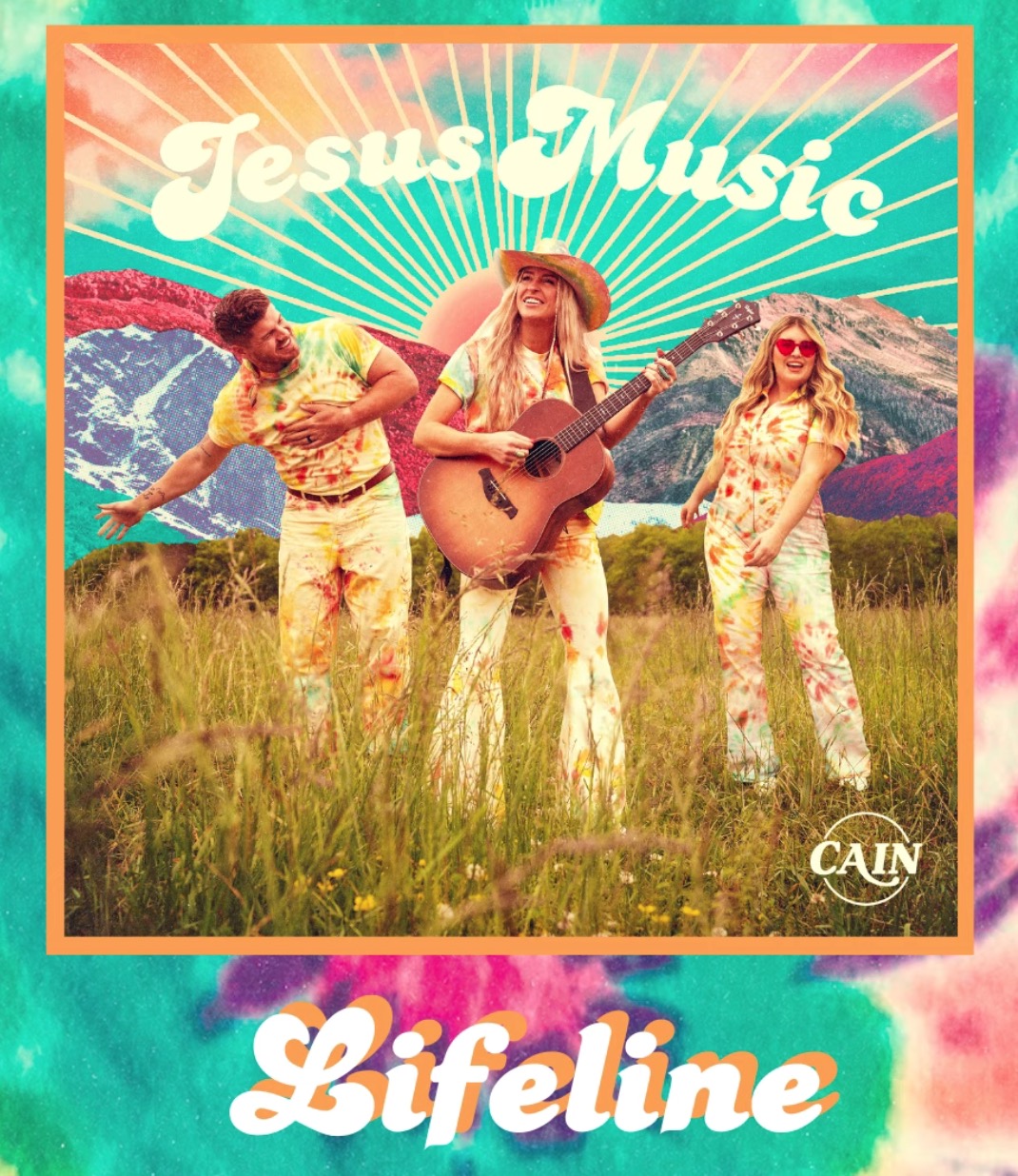
So it seems fitting to post CAIN’s song “Lifeline” from their “Jesus Music” album (above) as today’s Music Monday highlighted song, but am including their version of “Landslide” from YouTube below … and yes Katelyn, I enjoyed the band and both songs!
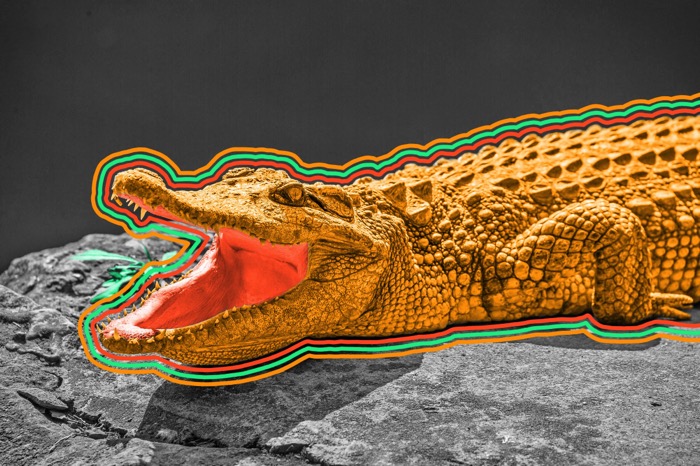
After posting about Alligators, Crocodiles and Caimans previously and noticing just how much traffic continues to find its way to the post (just as does this old 2008 post on Great White Sharks post). So, when I saw this email when clearing out my Gmail junk, it seemed like a great follow up to both prehistoric looking reptiles and South Florida, especially since a neighbor saw a small alligator scurry out of our banana tree grove at the condo a couple weeks ago.
Alligators and crocodiles have a lot in common. They’re both beefy reptiles with a serious set of teeth and strong Triassic vibes. However, there are some big differences between them: Alligators usually have a more U-shaped snout, whereas crocodiles sport a more V-shaped schnoz; alligators stick to fresh water, while crocodiles live in salty environments; alligators are blacker, while crocs prefer earth tones like brown. However, the biggest difference is usually in the locations these two gargantuan reptiles call home. American crocodiles (Crocodylus acutus) can be found in Cuba, Jamaica, southern Mexico, Central America, Ecuador, and elsewhere. Meanwhile, the American alligator (Alligator mississippiensis) mostly sticks to the southeastern U.S. You’ll likely never be tasked with differentiating the two creatures in the wild — that is, unless you find yourself in south Florida.
On the tip of the Florida peninsula lies the U.S.’s third-largest national park — the Everglades. It’s here that the southern extreme of the American alligator’s range overlaps with the northern extreme of the American crocodile’s range. The 7,800-square-mile expanse of wetlands has both brackish and saltwater environments that create a perfect home for crocs, while fresh water supplied by lakes, rivers, and rainfall provides the preferred habitat for alligators. Alligators vastly outnumber crocodiles in the U.S., with about 200,000 alligators in the park alone. And while crocodiles are considered more aggressive, the two rarely fight with each other or with humans. Still, it’s probably a good idea to keep a minimum safe distance between you and their frighteningly numerous teeth.
Of course seeing an alligator sunning when KDAE were at Legoland … where the entertainers waterski … was a little disturbing too!
When scanning my X.comsocial media feed, the handy short video tips often catch my eye. Most I’ll never need, but there are a few I wish I could remember when I need them. Saving them here likely won’t help, but who knows?
In “Go Woke, Go Broke: The Inside Story of the Radicalization of Corporate America,” veteran financial journalist Charles Gasparino offers a critical examination of the increasing influence of progressive ideologies within major U.S. corporations. Drawing on insider interviews and extensive reporting, Gasparino argues that corporate leaders have shifted focus from traditional business objectives to embracing social justice initiatives, such as Diversity, Equity, and Inclusion (DEI) and Environmental, Social, and Governance (ESG) principles. He suggests that this shift has led to significant financial and reputational challenges for companies like Disney, Anheuser-Busch, and Target, as consumers push back against perceived political activism in the corporate sphere.
Gasparino traces the origins of this corporate transformation to events like the annual World Economic Forum meetings in Davos and the societal upheaval following George Floyd’s death in 2020. He contends that these developments spurred a wave of progressive activism that permeated corporate boardrooms, often at the expense of shareholder interests and financial performance. The book delves into specific instances where companies’ alignment with progressive causes led to consumer boycotts and declining revenues, highlighting the potential risks of prioritizing political agendas over business fundamentals.
While “Go Woke, Go Broke” has critics noting that the book’s tone may be confrontational. Nonetheless, Gasparino’s work contributes to the ongoing discourse on the role of corporations in societal issues and serves as a cautionary tale for business leaders navigating the complexities of modern corporate governance.