Congratulations to Jessica on her high school graduation

Posted By on May 27, 2014

LambertHSGraduation140527

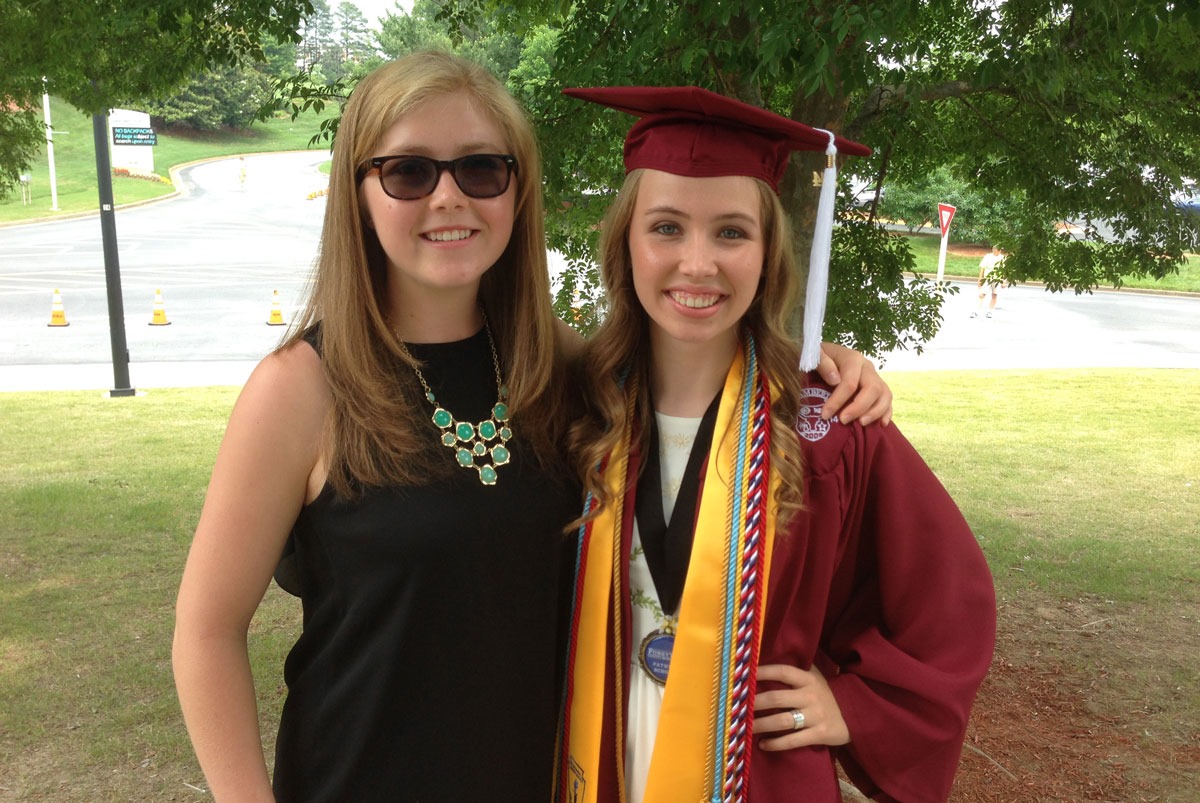
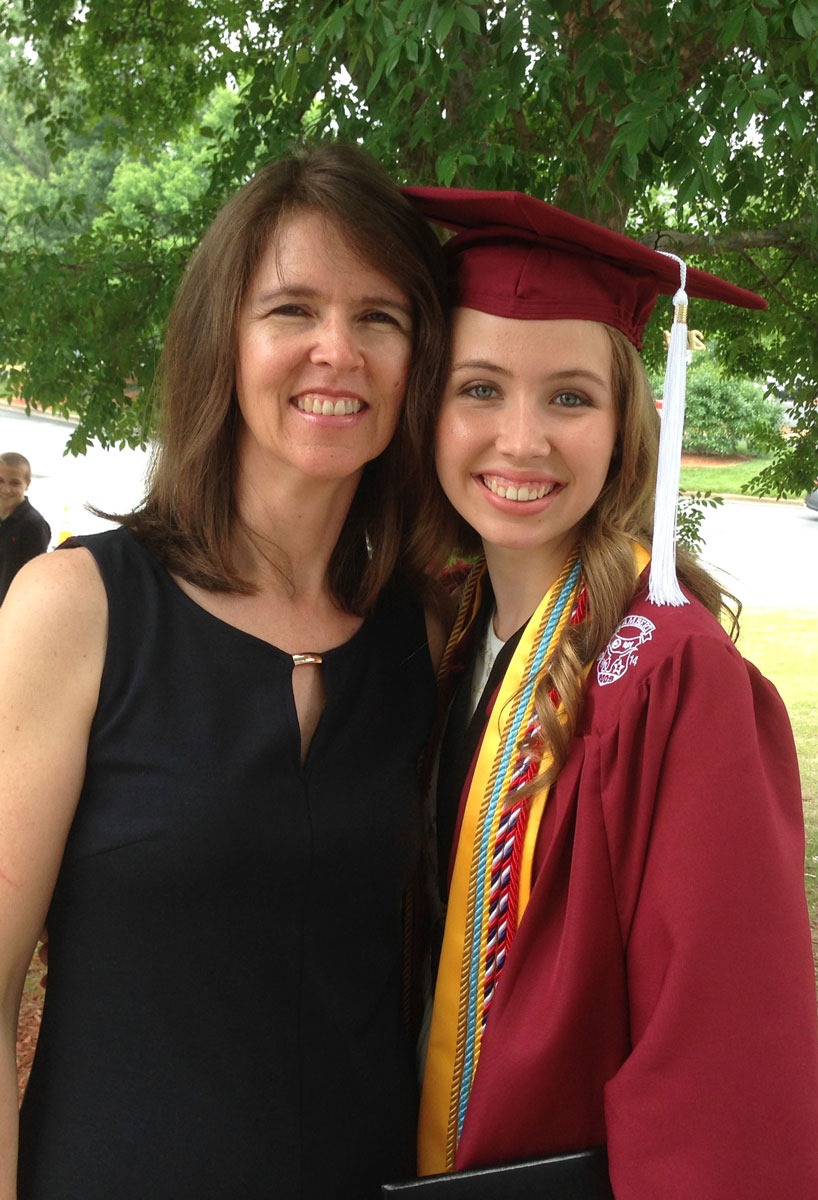
Brenda and I spent a few days with our niece (Brenda’s younger sister) and family in Atlanta, Georgia. What a great time to be with our family and celebrate Jessica’s high school graduation and time checking out the Georgia Tech and ducking cover from the heavy rains. What a great time with a great niece.

JessG_SarahJess140527 JessG_JessGmas140527
Sisters Sarah and Jessica  |   Gma Howard, Jess and Gma Gerber

JessG_AnnJess140527 JessGrad_JessBrenda140526 JessGrad_Jesscap140526
Ann and Jessica   |   Jess and Brenda   | Jessica and Sarah

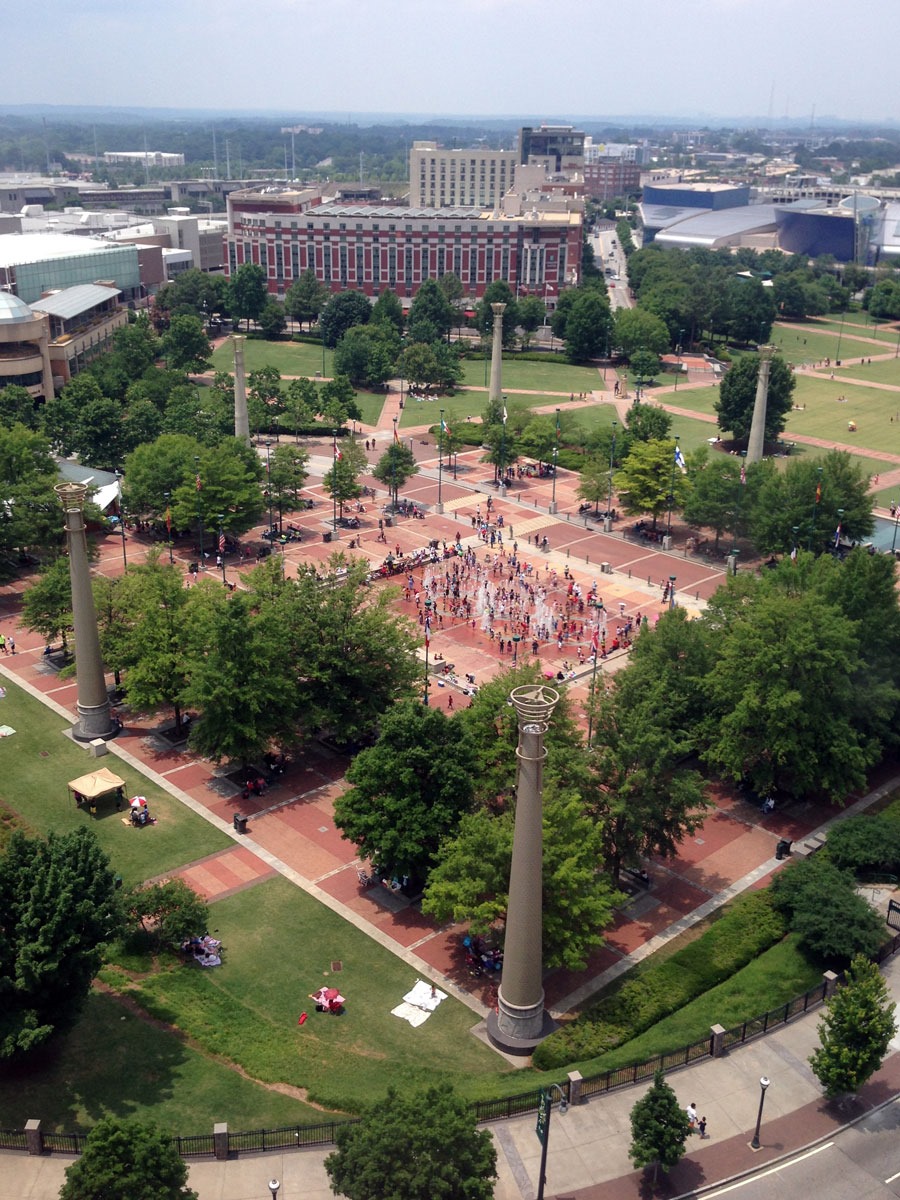
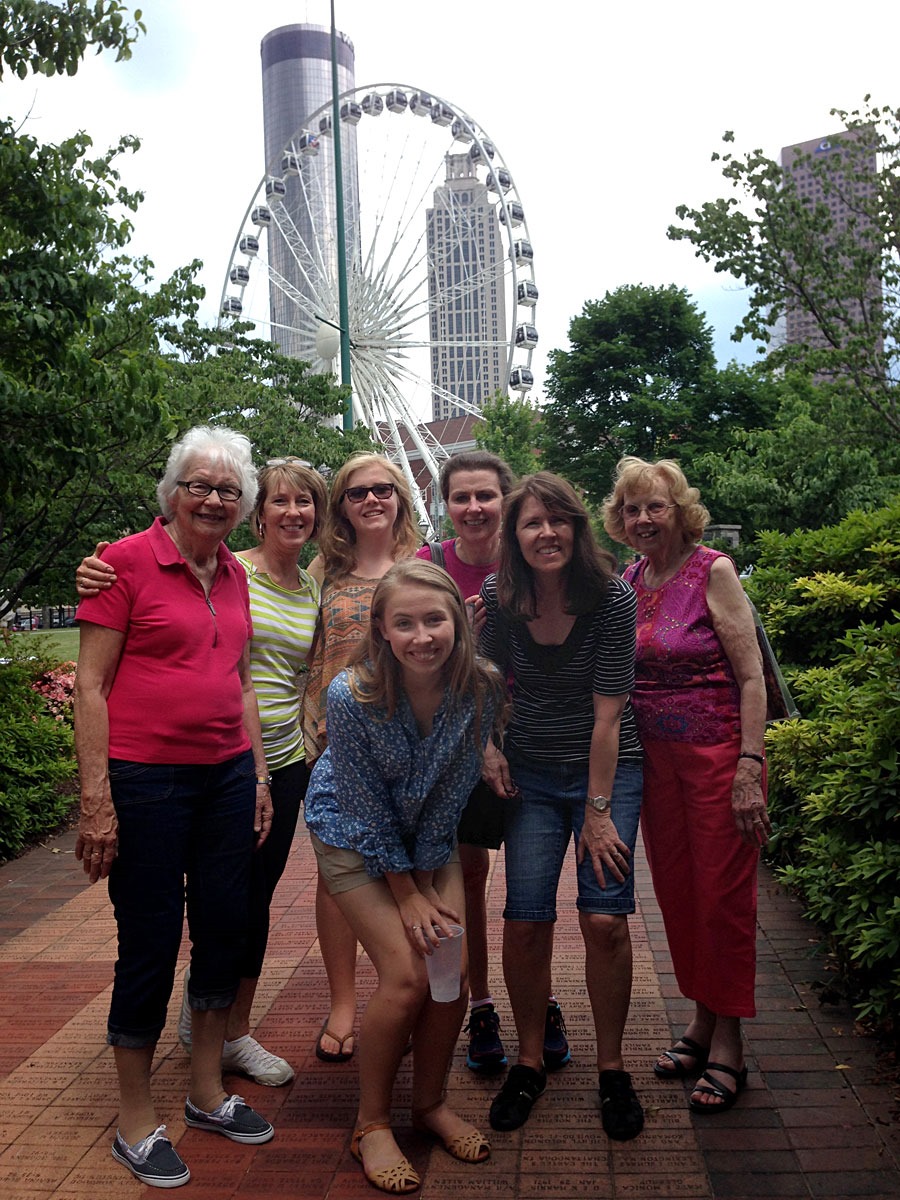
We spent a day downtown at Centennial Park.

JessGrad_CentenialPark14052 JessGrad_SarahPhotobombed14

JessGrad_Wheel1 JessGrad_CentenialWh140526

JessGrad_Atlanta140526

Reflecting on those we remember on Memorial Day

Posted By on May 26, 2014

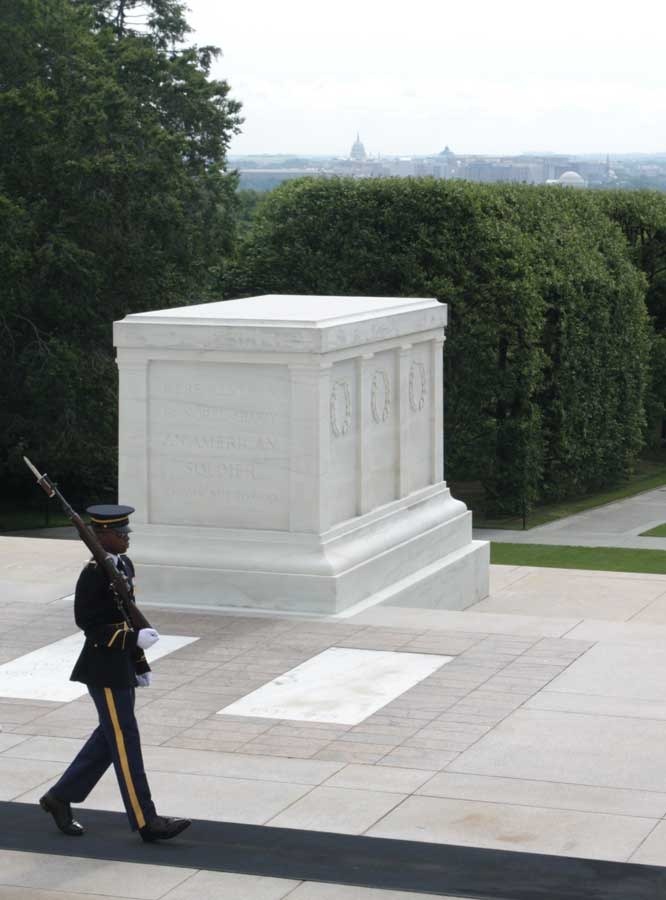
Vets_tombofunknown_3199A few years ago I was a volunteer taking a group of “surviving” veterans on an Honor trip to Washington DC. It was indeed a privilege to be in their company.

Vets_KoreaMemorialField0063

One thing that was noticed by those of us who were there to serve as volunteers for these WWII and Korean War veterans was that, to the man, they were humbled when remembering those that didn’t return. This was particularly noticed when we were at Arlington National Cemetery realizing just how many brave Americans gave the ultimate sacrifice for our country.

arlingtoncem_modified

On this day, Memorial Day 2014, take a moment to remember those who fought and died for this nation … may they never be forgotten.

Books: Shadow Divers by Robert Kurson (2004)

Posted By on May 24, 2014

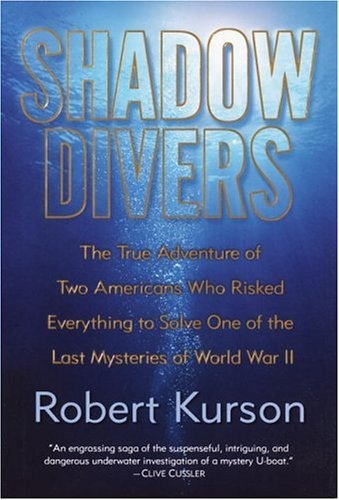
shadowdiversAfter seeing some book advice from a friend, I checked with Nooeo.com and downloaded a $5.00 ebook to my Kindle app on my iPad for an upcoming trip. Since Elizabeth Bernstein is also an avid reader, sailor and Scuba diver, her recommendations are usually spot on for me.  After reading the forward to Robert Kurson’s 2004 book Shadow Divers about a lost WWII German U-boat  off the coast of New Jersey, I was hooked.

The non-fictional story is written around a couple of polar opposite divers who learned to respect each other. Richie Kohlar and John Chatterton discovered an unknown World War II submarine eventually known as U-869. The dive team called the mysterious ship the “U-Who” until their research narrowed it down. The 1991 find spawned a 2000 PBS NOVA program called Hitler’s Lost Sub and a follow-up book challenging the facts presented in Shadow Divers

There is also a major motion picture in production based on the book, although the once 2013 release date has now been put on hold.  While waiting for what should be a blockbuster, check out the uploaded YouTube video narrated by John Chatterton.

Gas prices rise as Memorial Day kicks off summer driving season

Posted By on May 23, 2014

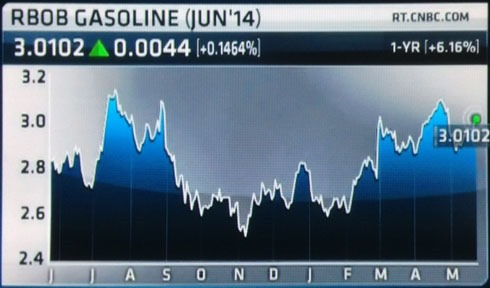
rbobgasoline140523I’m probably not the only one noticing the annual Memorial Day jump in retail gasoline prices kicking off the summer driving season. Yesterday most of the  stations locally (north of Cincinnati) bumped prices up to $3.85plus per gallon for regular grade fuel. Thankfully on the drive home, I fueled up the old Mercedes 300D for $3.73 per gallon – its first time I’ve seen diesel lower than gasoline for quite some time.

CincyGasPrices.comgasdieselprices45069_140523

It is time to test a homemade concoction for killing weeds

Posted By on May 22, 2014

homemade_weedbegonespray

Mixing up a batch to test on some fresh new growth and will report back. Have you tried this or any combination of homemade weed or vegetation killers similar to Round-Up or Weed-Be-Gone?

Ten aeronautical advancements thanks to NASA

Posted By on May 21, 2014

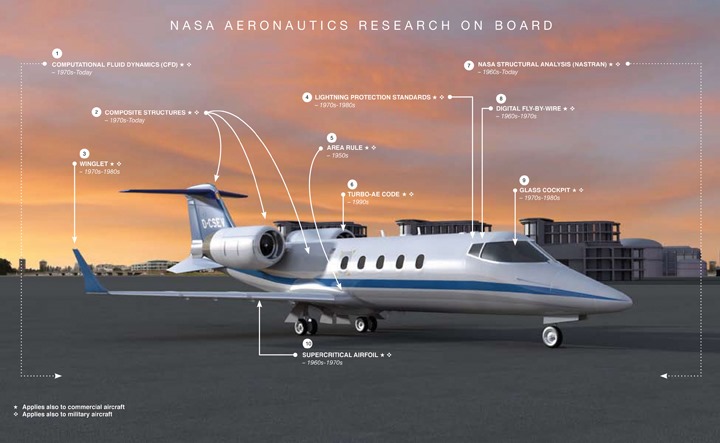
The Dryden Flight Research Center posted ten technology examples on their site that made a big impact on aviation. Most assume NASA has contributed to our science and engineering advancements, but the debate continues over the the high cost of the taxpayers through government funding the NASA research centers or if the private sector can achieve similar results more efficiently.

GenAviationlitho-1

1. Computational fluid dynamics – During the 1970s, NASA developed sophisticated computer codes that could accurately predict the flow of a fluid using complex simulations, such as air over an aircraft’s wing or fuel through a space shuttle’s main engine.
Those codes became computational fluid dynamics, or CFD, which today is considered a vital tool for the study of fluid dynamics. CFD greatly reduces the time required to test and manufacture nearly any type of aircraft.

2. Composite structures – NASA first partnered with private industry during the 1970s to conduct research on how to develop strong, nonmetallic materials that could replace heavier metals and aluminums on aircraft.
Composite materials have gradually replaced metallic materials on parts of an aircraft’s tail, wings, fuselage, engine cowlings, and landing gear doors. Using composite materials can reduce the overall weight of an aircraft and improve fuel efficiency.

3. Winglets – During the 1970s and 1980s, NASA studies led to the development of vertical endplates, or "winglets," that are now seen on many aircraft wings. This innovation is the first of three efforts on this list that were led by NASA Langley Research Center’s pioneering scientist Richard Whitcomb, who was chief of the Transonic Aerodynamics Branch at Langley in Hampton, Va.
Winglets reduce vortices and drag, thereby improving airflow and fuel efficiency. The first aircraft to adopt winglets were within the general aviation and business jet communities. In the mid-1980s, Boeing produced the 747-400 commercial jetliner, which used winglets to increase its range.
A winglet flight test program at the NASA Dryden Flight Research Center, Edwards, Calif., in 1979-80 first validated Whitcomb’s research when the test aircraft – a military version of the Boeing 707 jetliner – recorded an increased fuel mileage rate of 6.5 percent.

4. Lightning protection standards – During the 1970s and 1980s, NASA conducted extensive research and flight tests to identify the conditions that cause lightning strikes, the types of currents, and the levels of threat.
The research confirmed the data that were incorporated into design guidelines that are used in new aircraft and in flight operations to protect critical digital systems.

5. Area rule – In the 1950s, Whitcomb discovered one of the most revolutionary aeronautics technologies when he researched "area rule," a concept that helped aircraft designers avoid the disruption in airflow caused by the attachment of the wings to the fuselage.
Whitcomb deduced that removing the equivalent wing cross-sectional area from that of the fuselage cross-sectional area avoided the abrupt bump and improved the distribution of flow across the longitudinal area of the aircraft. By using the area rule, aircraft designers for decades have been able to allow aircraft to fly higher, faster, and farther.

6. Turbo AE code – During the 1990s, NASA developed a computer code that generates two-dimensional simulations of potential aeroelastic problems that can occur in jet engine blades. Such problems include flutter or fatigue that can eventually cause engine fan blades to stall or fail.
With TURBO-AE, engineers can more efficiently design thinner, lighter, faster rotating blades for today’s jet engines built for higher performance, lower emissions and lower noise.

7. NASA structural analysis (NASTRAN) – In the 1960s, NASA partnered with industry to develop a common generic software program that engineers could use to model and analyze different aerospace structures, including any kind of spacecraft or aircraft.
Today, NASTRAN is an industry-standard tool for computer-aided engineering of all types of structures.

8. Digital Fly-By-Wire – During the 1960s and 1970s, Dryden researchers developed and flight test the digital fly-by-wire system, which replaced heavier and less reliable hydraulics systems with a digital computer and electric wires to send signals from the pilot to the control surfaces of an aircraft.
The F-8 Digital Fly-By-Wire flight research project in 1972-73 validated the principal concepts of all-electric flight control systems now used on nearly all modern high-performance aircraft and on military and civilian transports. It was the forerunner of current fly-by-wire systems used in the space shuttles.

9. Glass cockpit – During the 1970s and 1980s, NASA created and tested the concept of an advanced cockpit display that would replace the growing number of dial and gauge instruments that were taking up space on an aircraft’s flight deck.
Called a "glass cockpit," the innovative approach uses flat panel digital displays to provide the flight deck crew with a more integrated, easily understood picture of the vehicle situation. Glass cockpits are in use on commercial, military, and general aviation aircraft, and on NASA’s space shuttle fleet.

10. Supercritical airfoil – During the 1960s and 1970s, Whitcomb led a team of researchers to develop and test a series of unique geometric shapes of airfoils, or wing designs, that could be applied to subsonic transport to improve lift and reduce drag.

LINK

Kudos for Home Depot and their customer service

Posted By on May 20, 2014

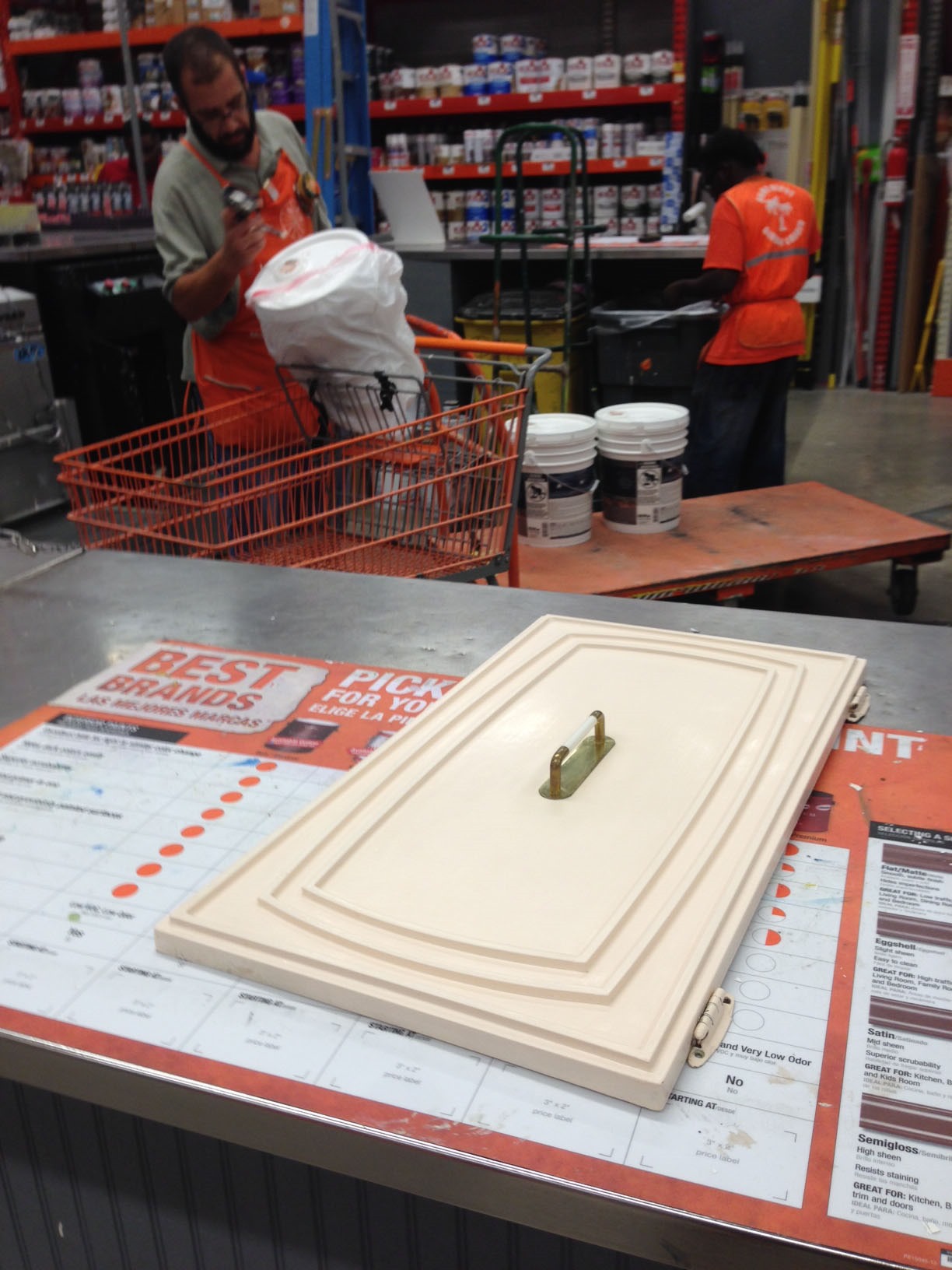
paintmatchhomedepotWhile working on the boat this weekend, I also headed down to finally finish up the repairs on the cabinets after replacing a refrigerator last year. It wasn’t an expensive project, but did require a little wood putty, sanding and matching of paint.

By the way, Home Depot deserves a plug for how they handled my small request. The employee went out of his way to read the paint on the cabinet door I brought in. He modified the X-Rite paint scanning machine in order to read the oversized cabinet door panel. Very appreciated.  I’m now a loyal $HD customer (sorry Lowes) and might even look into adding the stock to my portfolio on their next pull back.

The repair went well although I could have done a little more sanding and priming prior to painting … but it wasn’t perfect originally anyway.

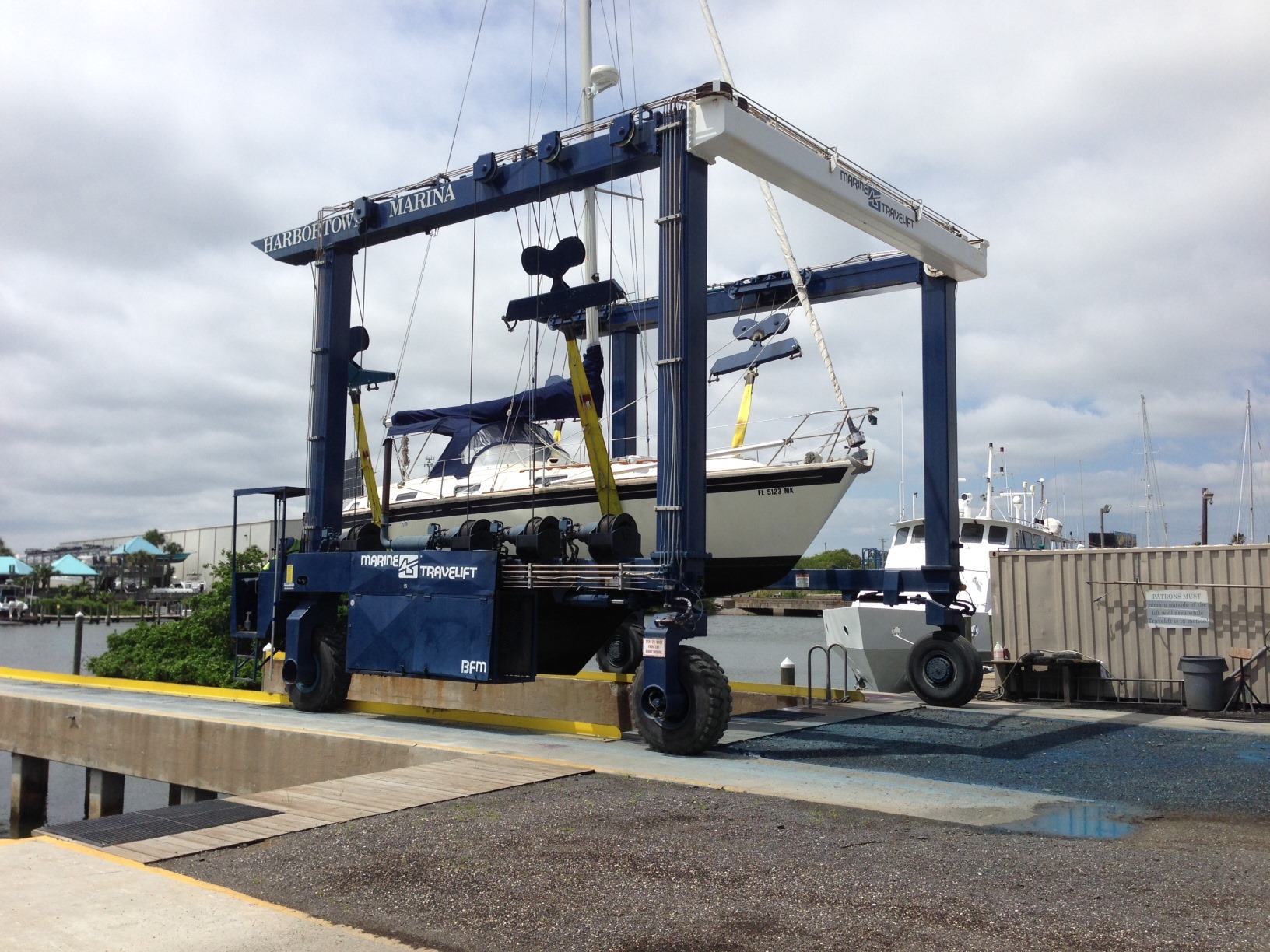
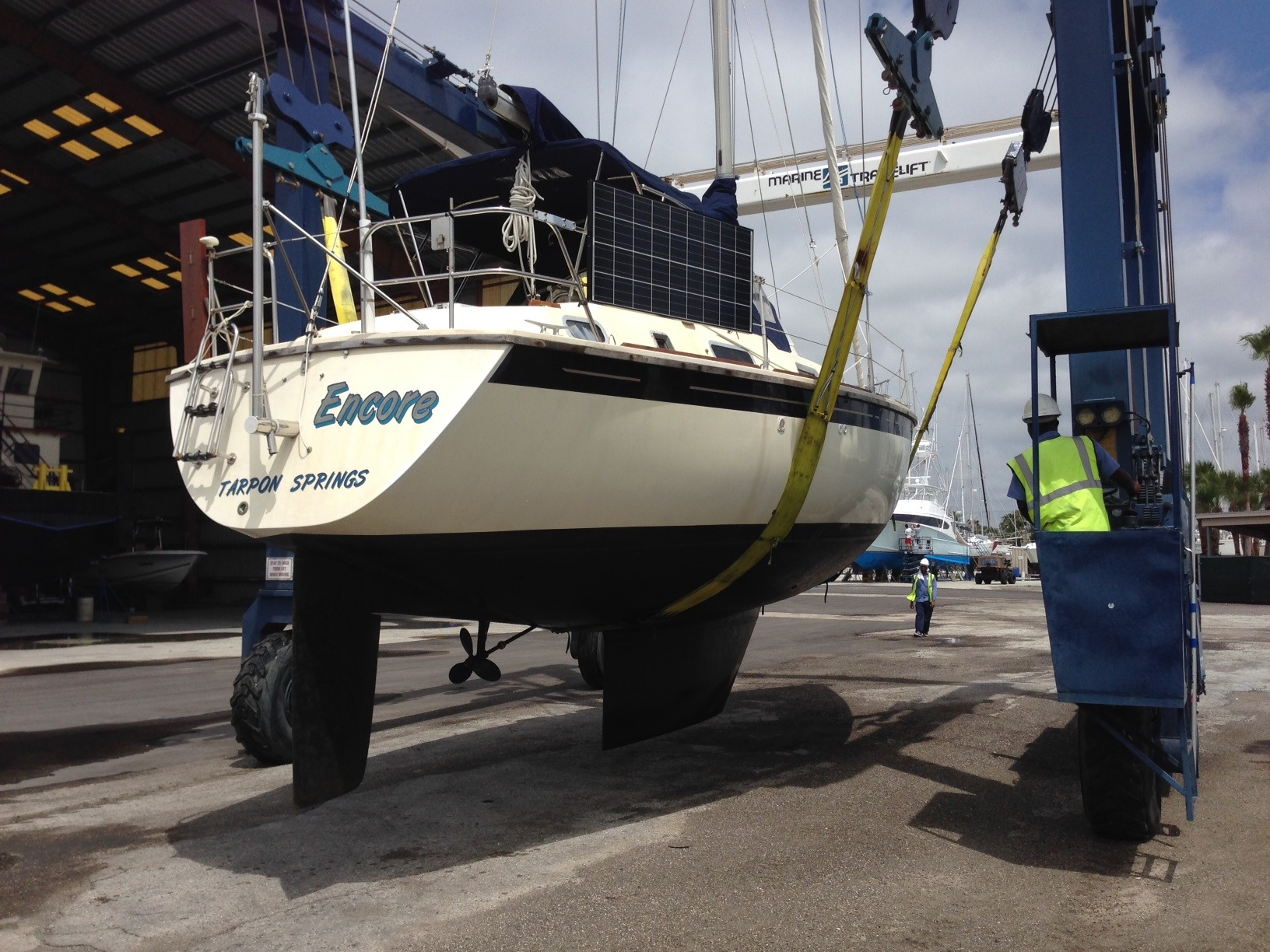
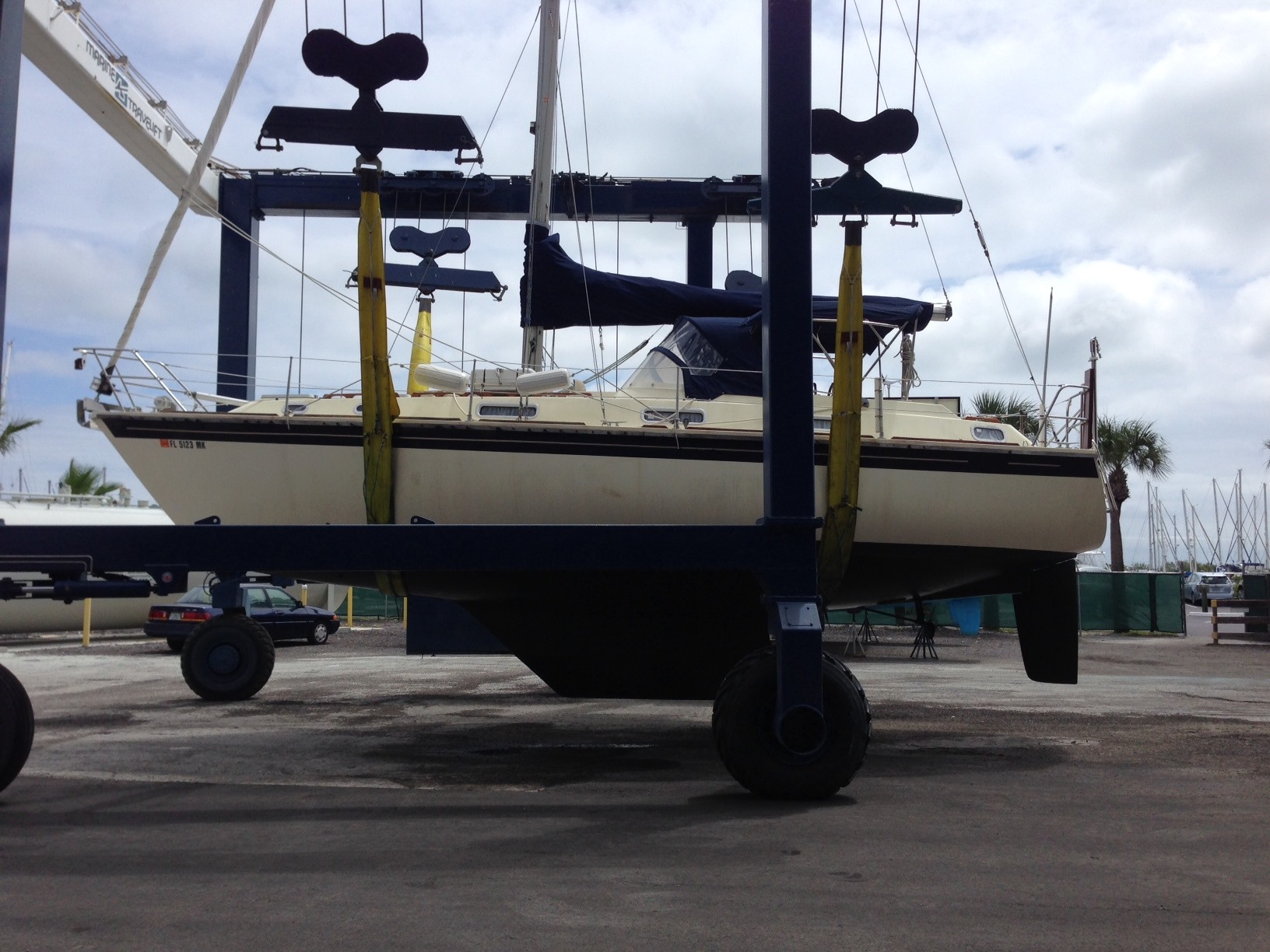
Hauled Encore to do a little more work on her bottom

Posted By on May 19, 2014

encoreout1_140516 encoreout2_140516

The title of this post sounds a little risqué when I say it that way, but since a boat is a “she” I’m not sure how else to word it (I’m sure I could find a way.)
Smile
Anyway, I burned a cheap ticket before it expired in order to finally pull Encore and replace the depth transducer, powerwash the bottom, re-grind and paint the rust on my iron keel … as well as the prop and shaft again after popping off a few barnacles. The new guy running the lift used the small travellift and I ended up sticking the boat in the mud on first approach to the small pit. I backed out since I was moving slow and was able to enter from the deep side without issue, but the yard needs to dredge their haul out pits.

encoreout3_140516

Rented a Hyundai Sonata Hybrid for a trip this weekend

Posted By on May 18, 2014

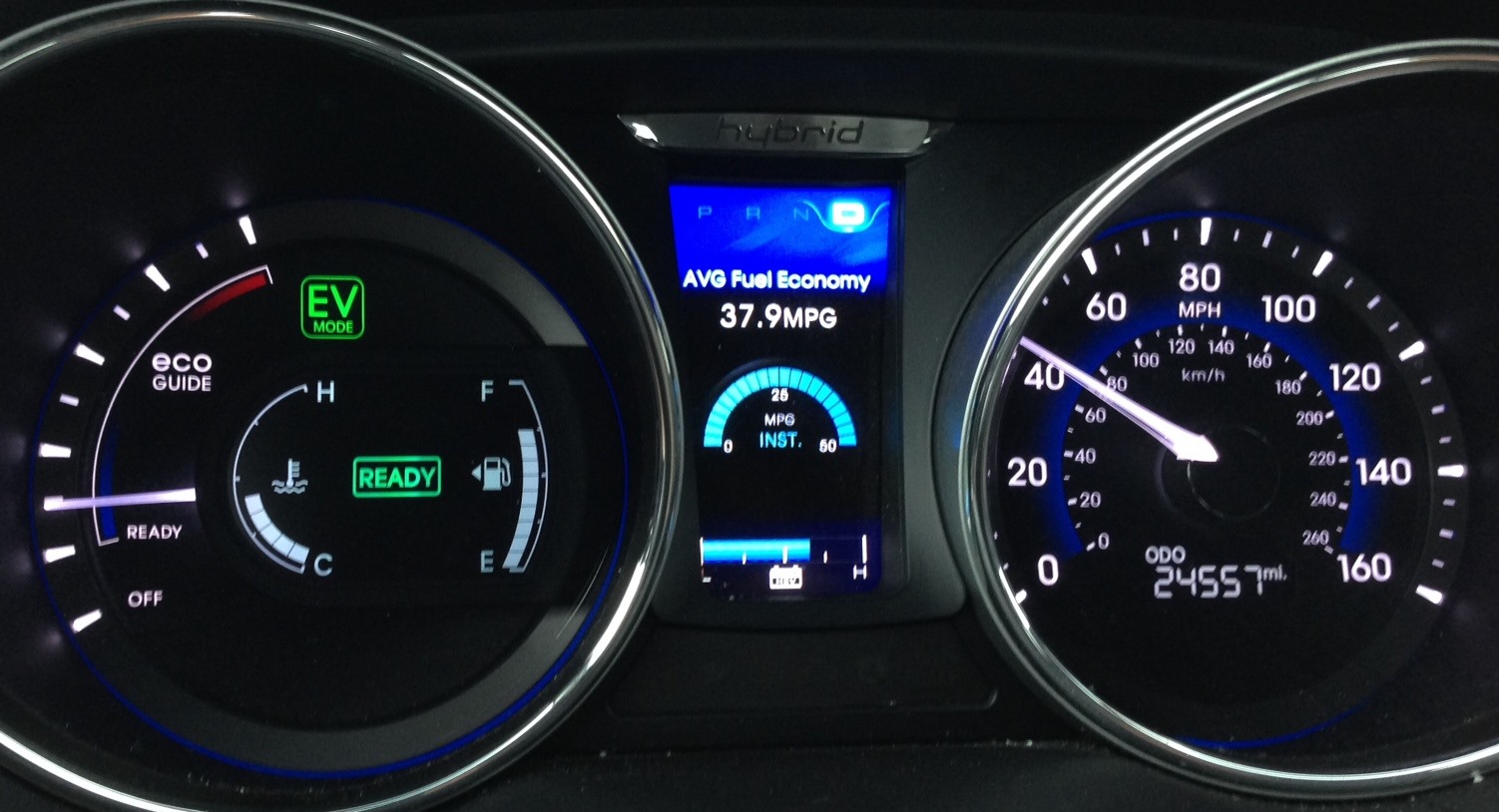
The last year or so I’ve been renting Ford Focuses (or Foci?) when I’m traveling out of town or trying to keep the miles off my Honda Pilot which is nearing 200,000 miles. Often the fuel economy (high 35+ vs 20mpg) offsets the rental cost, but this time for the fun of it I wanted to try the comfortable Hyundai Sonata Hybrid. I’ve rented a non-hybrid Sonata before and enjoyed the quiet and smooth ride … and this 2013 (??) model was no exception. Very nice.

SonataHybridmay2014

Fuel efficiently could have been a little better than the 38mpg combine number, since the “other guys” are well into the 40mpg mark … especially since much of my driving was highway. I did my best to use the hypermiling pulse and glide technique without upsetting traffic flow, and was able to gain a couple miles per gallon, but still not able to hit 40mpg. I’m guessing, but maybe because Hyundai still using a transmission with gears instead of the “rubber band” or CVT transmission  that they are unable to match their competitors? It also doesn’t look like they go overboard to lighten the vehicle when it comes to the sheet metal and interior … both were exceptionally nice for a fleet rental vehicle. With an outstanding warranty, the Hyundai would make for a great “appliance” car.

I missed this sneaky resized-same-price packaging

Posted By on May 17, 2014

packagingsizes140517

I’m usually pretty good at noticing price verse packaging size when it comes to items we regularly purchase … but I missed this one until opening the package at home. My Old Spice Deodorant that once was in a standard package size of 3.25 oz is priced the same but now packaged with 8% less in the stick. Grr.

Desultory - des-uhl-tawr-ee, -tohr-ee

  1. lacking in consistency, constancy, or visible order, disconnected; fitful: desultory conversation.
  2. digressing from or unconnected with the main subject; random: a desultory remark.
My Desultory Blog