Remembering 9/11 – The all important slurry wall

Posted By on September 11, 2014

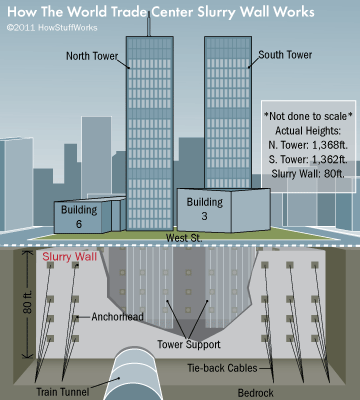
how-the-world-trade-center-slurry-wall-works-3While thinking about those who lost their lives on September 11, 2001 in 2014, I thought about symbols of strength and endurance that are highlighted in displays at the 9/11 Memorial Museum. One such unseen design element was that of underground “slurry walls” built in 1964. Thanks to the engineers and architects who designed the base for the World Trade Towers, many lives and definitely more devastation was prevented. While reading, one realizes just how close New York City came to having the Hudson River flood, not only the Twin Towers site, but possibly much of lower Manhattan including the subway lines. Because so much of NYC is underground, sophisticated plans were created prior to building the World Trade complex. In the design, a “slurry wall” was trenched and cabled to bedrock up to 80 feet under the ground. In some areas the “special powdered clay containing bentonite trucked from Wyoming”  had to be worked around the 100 year old subway tunnels. This “slurry” was saturated with water and applied to the walls of the excavated trench and reinforced with concrete to create a waterproof barrier … purposed to hold back the Hudson River. This 3 foot thick underground wall encircled the basement of the towers and “stretched for 3,500 feet.” (LINK)

As the 9/11 Memorial Museum FAQ states:

Had it breached, lower Manhattan and the subway lines that run through it might have been flooded, and the destruction could have been even more unimaginable. In the original master plan for the new World Trade Center, architect Daniel Libeskind felt that the slurry wall, in its ability to withstand the forces of destruction, itself had become a symbol of the strength and endurance of our country and its foundational values.
Are Bull Sharks the most dangerous at popular beaches?

Posted By on September 10, 2014

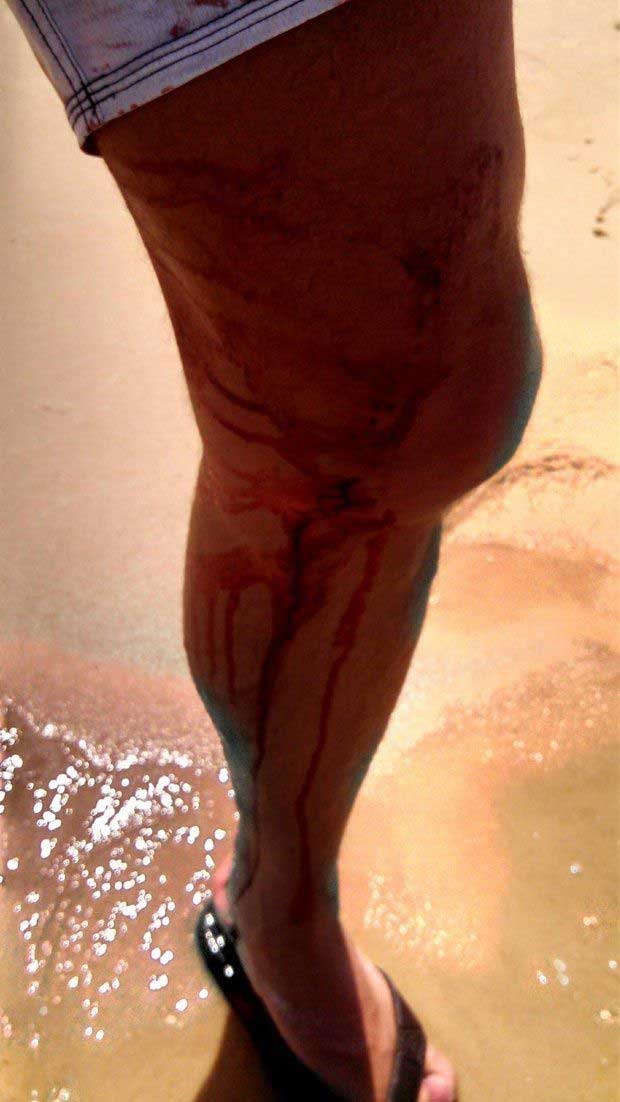
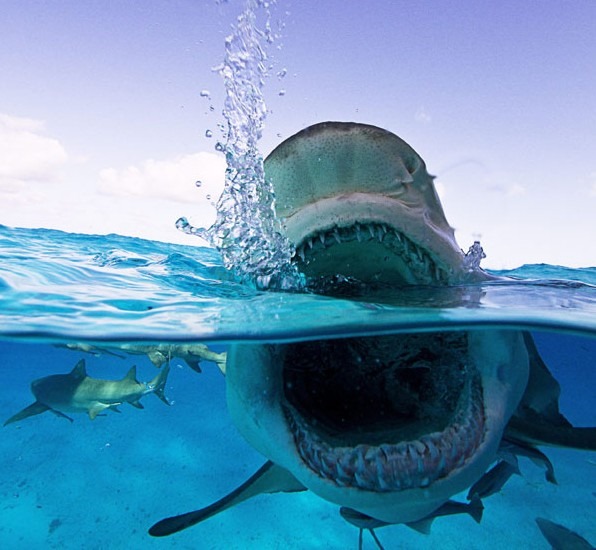
sharkbiteMention Great White, Tiger and Hammerhead to most people at the beach and they will usually bullsharkbristle with concern or at least know you are talking about “dangerous” sharks. Mention the Bull Shark and NOT many realize that IF the minuscule chance of a shark attacked occurred, the Bull Shark would very likely be the offender at many popular U.S. beaches.

I haven’t made a count this summer, but I would venture a guess that most of the stories about shark bites were associated with the Bull Shark … just as was the report the other day at the west end of Dauphin Island, Alabama. A more aggressive specie? Brackish waters? Or just their numbers and proximity to man?

Here’s what National Geographic concludes:

Bull sharks are aggressive, common, and usually live near high-population areas like tropical shorelines. They are not bothered by brackish and freshwater, and even venture far inland via rivers and tributaries.

Because of these characteristics, many experts consider bull sharks to be the most dangerous sharks in the world. Historically, they are joined by their more famous cousins, great whites and tiger sharks, as the three species most likely to attack humans.

Bull sharks get their name from their short, blunt snout, as well as their pugnacious disposition and a tendency to head-butt their prey before attacking. They are medium-size sharks, with thick, stout bodies and long pectoral fins. They are gray on top and white below, and the fins have dark tips, particularly on young bull sharks.

They are found cruising the shallow, warm waters of all the world’s oceans. Fast, agile predators, they will eat almost anything they see, including fish, dolphins, and even other sharks. Humans are not, per se, on their menus. However, they frequent the turbid waters of estuaries and bays, and often attack people inadvertently or out of curiosity.

Bull sharks currently are not threatened or endangered. However, they are fished widely for their meat, hides, and oils, and their numbers are likely shrinking. One study has found that their average lengths have declined significantly over the past few decades.

The AppleEvent was successful, but the bar was high

Posted By on September 9, 2014

Tim Cook lead another #AppleEvent in the age of social media and I both watched and "tweeted" along with the tech interested across the country and world. applewatchThe event was "as expected" in that Apple launched the new iPhone6 and 6plus … larger phones. They will be offering up their new iOS8 on September 19th for all devices (free) and a new option for the NFC AppleWallet for their "new iPhone6 models." (see my question/comment below)
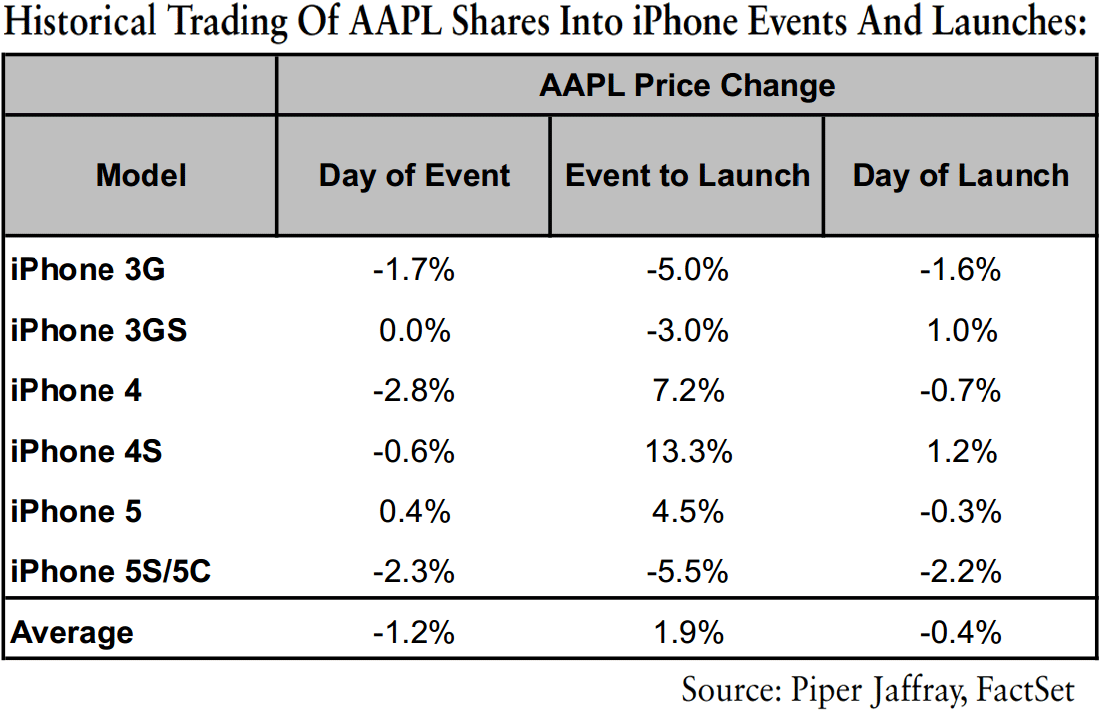
The final product was the AppleWatch … which initially looked a little "squareish" to me, but seems very functional especially considering it functions as an AppleWallet. At this point $AAPL traded up just over $103/share, but inched down after it was noted that the Watch is used pared with an iPhone (but can be used with the iPhone 5 and up). Unfortunately for shareholders, the stock has moved below the day’s opening price and is back to "flat" at 3:30PM. It does look to be following the pattern for past AppleEvents in closing down after product announcements (although "flat" is currently better than past events).

appleeventsstock

My  Question: If the AppleWatch can be paired with both the iPhone 5s and 6s, will the AppleWallet function on the AppleWatch when paired with the older iPhone 5 and 5s?

===

Watching $AAPL as the buzz is all about Apple today

Posted By on September 9, 2014

This content is restricted.

The power of nature on display in Papua New Guinea

Posted By on September 9, 2014

volcano_rabaul_papua

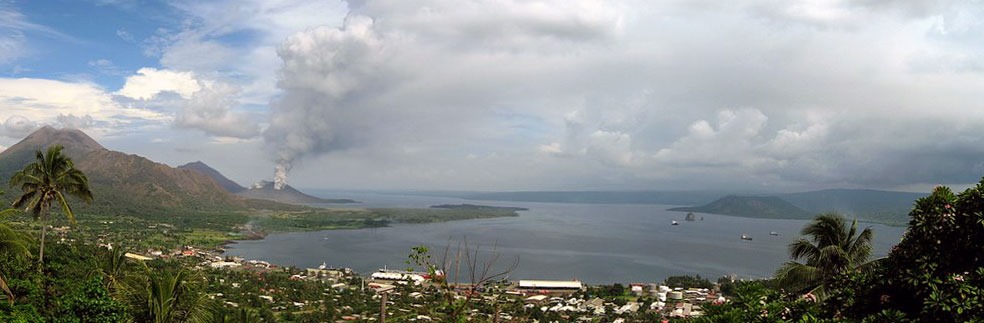
Tavurvur is an active volcano and the current eruption on August 29, 2014 sent ash clouds into the atmosphere disrupting flights to Australia. Rabaul residents have been advised to remain indoor to avoid ash. The video demonstrates the power within our planet and the silent danger when and where pressures are released. We humans seem pretty small considering the power (and splendor) displayed by earthquakes, hurricanes, tornadoes and volcanic eruptions.

In 1937, Tavurvur and another nearby volcano, Vulcan, erupted, killing 508 people. On October 7, 2006 the volcano erupted again, and an initial blast shattered windows up to 12 kilometers away and sent an ash plume 18 km into the stratosphere.

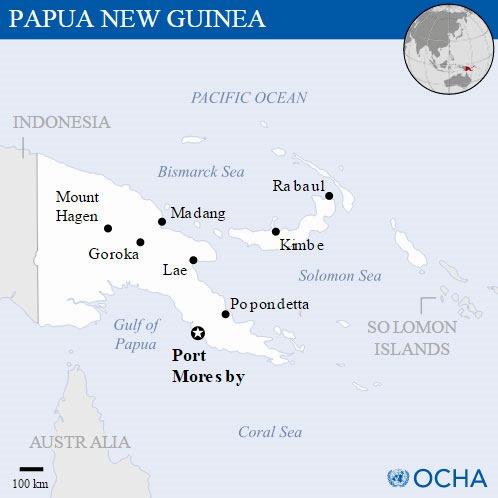
Tavurvur is located on the Papua New Guinea map below near Rabaul.

papuanewguinea

The Volkswagen Golf TDI looks to be delivering smiles for 2015

Posted By on September 8, 2014

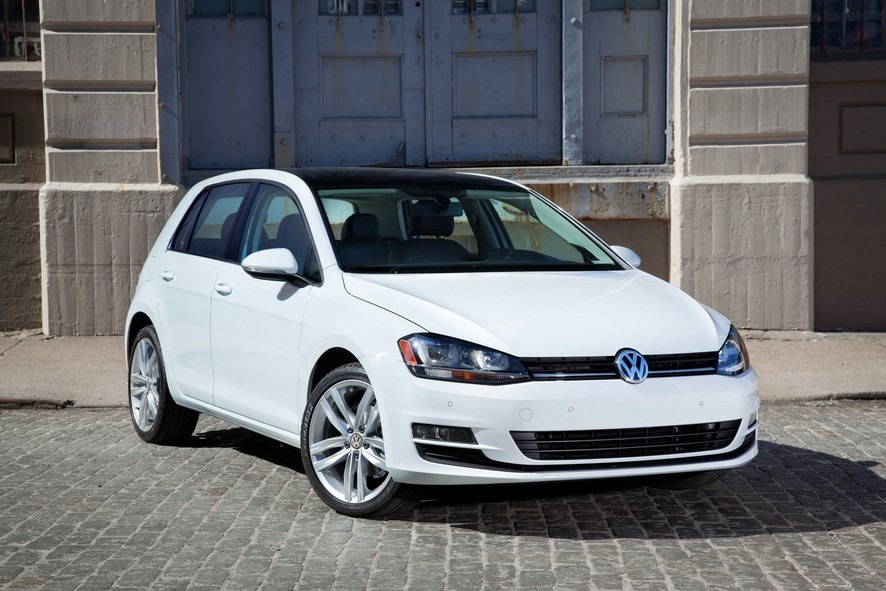
2015-Volkswagen-Golf-TDI

New York Times auto guy Lawrence Ulrich seemed to be please with Volkswagen’s new 2015 Golf TDI …

But no crossover, and no hybrid for that matter, can do what I managed in the new diesel-power Golf TDI: 60.6 miles per gallon over 75 highway miles along the Jersey Shore. That’s my personal highway m.p.g. record for any American-market car I’ve tested, including the Toyota Prius.

Diesel Golfs come only with four doors, though every trim level offers a manual transmission. VW’s diesel brigades will notice that the least-expensive TDI S starts $3,000 less than its predecessor, at $22,815. That rises quickly to $26,315 for the TDI SE and $28,815 for the TDI SEL. For every diesel version, add $1,100 for the dual-clutch DSG automatic.

Entire article

Thanks for the “heads-up” link Charlie.

My 2006 Honda Pilot hasn’t looked this good in years

Posted By on September 8, 2014

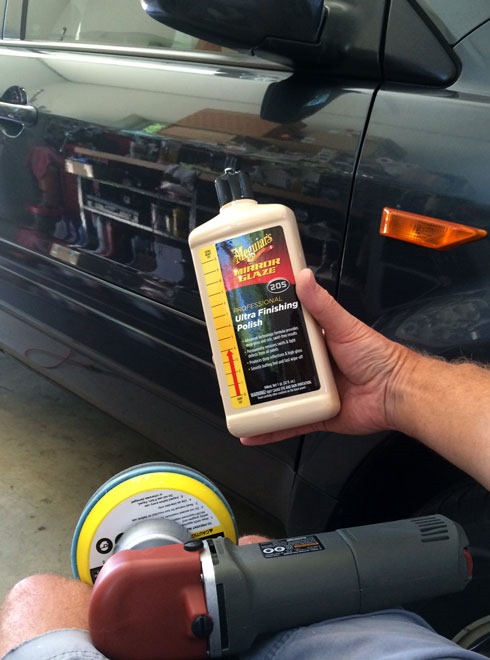
polishinghondapilotIt is not that I’m thinking about replacing my 2006 Honda Pilot just yet, but I was curious this past weekend if the “slightly aggressive” Meguiars polishing compound I used on the old Mercedes-Benz 300D would help return a shine and more importantly remove a few scratches on the Pilot. It definitely improved the shine and after a little light Carnauba wax, looks good … but the deeper scratches are still noticeable. While buffing the paint, I also took the time to touch up a few stone chips on the lip of the hood (hard to avoid).  All in all the 6 hours spent buffing is hard to justify, but it might attract a buyer looking for reliable and low maintenance Honda Pilot “appliance” someday?

Now if I can find a little advice on repairing leather seat seam split, the car will be as good as new. It definitely not bad for a car with almost 200,000 miles!

Desultory tidbits: Africa, pre-1938 child labor and satisfaction

Posted By on September 7, 2014

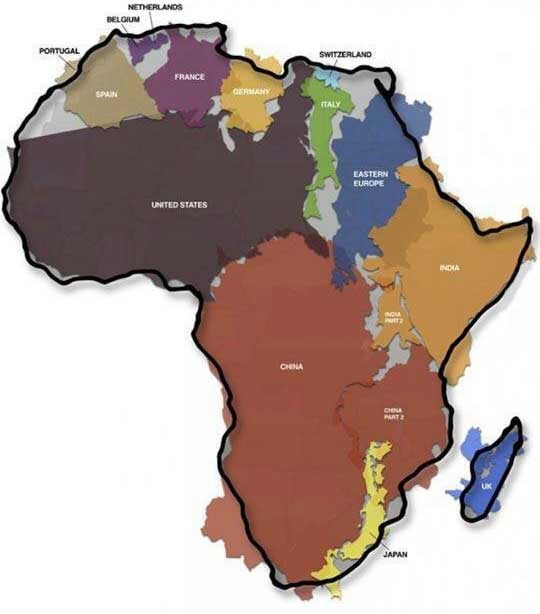
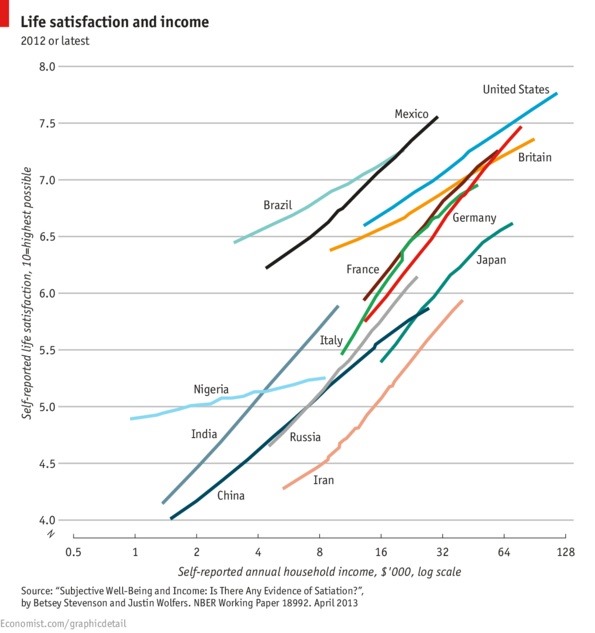
howbigisafricaMost of us see a few posts or images that seem interesting, thought provoking or just surprising. The Desultory tidbit title is a way to toss those collect bits into a miscellaneous post. This week a “size of Africa” map caught my attention as did an post titled “Money can by happiness” in The Economist.

satisfactionindex2013A final photo that had me thinking and tweeting about union labor in the United States made me realized just how difficult life was for some “working” American children before the 1938 Fair Labor Standards Act (and 3rd world children today). To the credit of Labor Unions, conditions are much better for workers in today’s United States than they once were, but today’s unions are no longer combating the same conditions, wages or benefits. Unions needs to maintain their oversight, but return a few of the wasted dues to workers and both rise and fall based on membership by choice (Right to Work).

cl12

Weigh the cost of college and your field of study carefully

Posted By on September 6, 2014

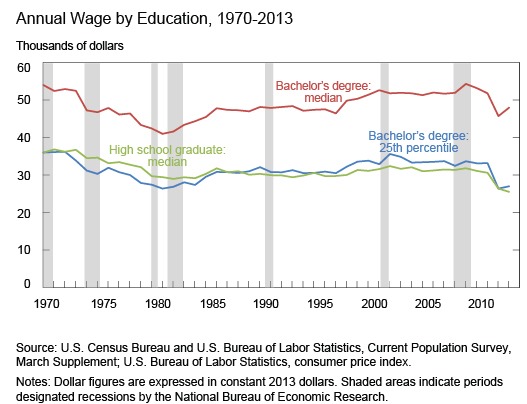
A very telling graph discloses three things (see story in Fortune) :

  1. A college graduate will on average make $1 million more than a worker with a high school degree over the course of his lifetime … even though the cost of education has gone higher.
  2. Wages across the board, adjusted for inflation to 2013 dollars, are down from 1970 – and have seen a sharp decline since 2010.
  3. Just because you earn a Bachelor’s degree from college, there is no guarantee that your income will be all that much different than those with high school diplomas (blue line vs. green line for 20% of college graduates).

college-wage-2013

Be particularly careful when evaluating your readiness for college, the field of study and how much debt is being taken on before assuming higher education is the ticket to a higher income – for 25% of degreed graduates, it is not.

Spectacular images from NASA and the Hubble Space Telescope

Posted By on September 5, 2014

spiralinserpens

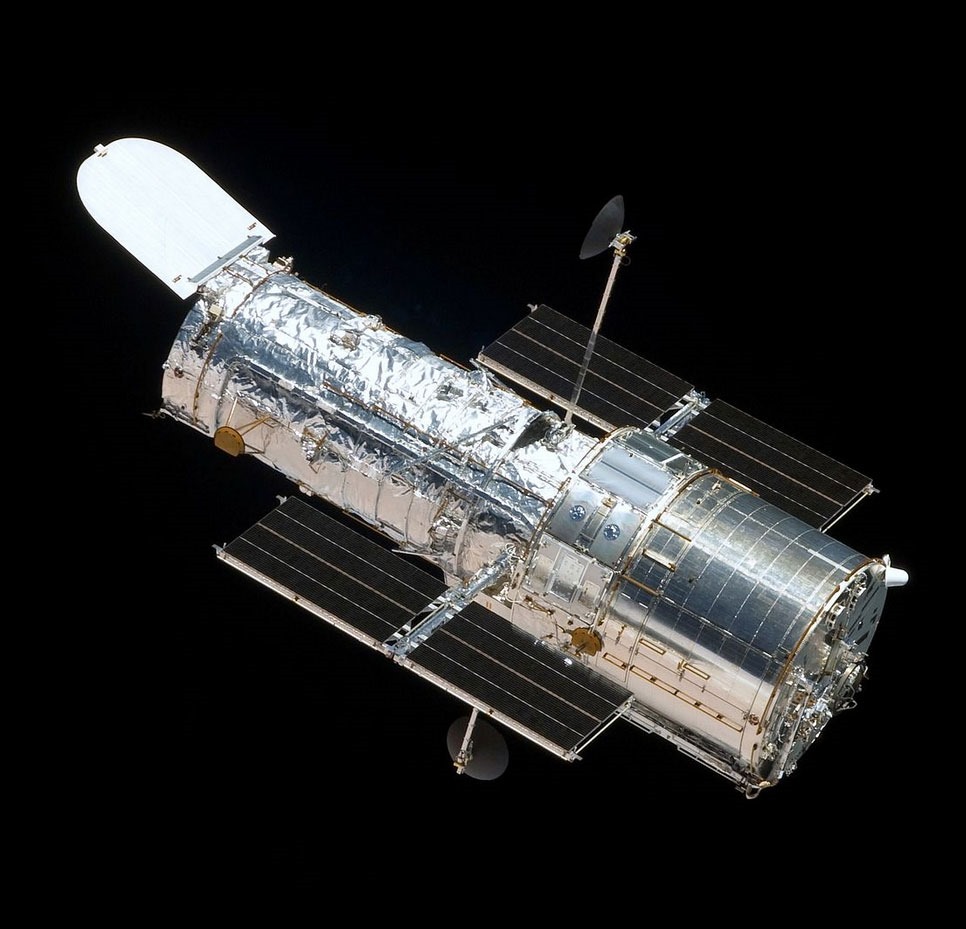
Having an interest and studying a little bit of astronomy with my daughter when she was a teenager, I can’t help but share this spectacularhubblespacetelescope Hubble Space Telescope image from NASA Goddard’s pix feed showing the galaxy PGC 54493 in the constellation of Serpens (The Serpent). Click for larger as its definitely worth seeing full screen … although almost looks unreal?

This galaxy is part of a galaxy cluster that has been studied by astronomers exploring an intriguing phenomenon known as weak gravitational lensing.

This effect, caused by the uneven distribution of matter (including dark matter) throughout the Universe, has been explored via surveys such as the Hubble Medium Deep Survey. Dark matter is one of the great mysteries in cosmology. It behaves very differently from ordinary matter as it does not emit or absorb light or other forms of electromagnetic energy — hence the term "dark."

Even though we cannot observe dark matter directly, we know it exists. One prominent piece of evidence for the existence of this mysterious matter is known as the "galaxy rotation problem." Galaxies rotate at such speeds and in such a way that ordinary matter alone — the stuff we see — would not be able to hold them together. The amount of mass that is "missing" visibly is dark matter, which is thought to make up some 27 percent of the total contents of the Universe, with dark energy and normal matter making up the rest. PGC 55493 has been studied in connection with an effect known as cosmic shearing. This is a weak gravitational lensing effect that creates tiny distortions in images of distant galaxies.

Here’s a an impressive video snippet (photo below) of an August 29, 2014 coronal mass ejection showing the sun spewing plasma into space. Watch the gravitational pull from the sun pulling plasma back after the initial ejection.

coronalejection140829

Desultory - des-uhl-tawr-ee, -tohr-ee

  1. lacking in consistency, constancy, or visible order, disconnected; fitful: desultory conversation.
  2. digressing from or unconnected with the main subject; random: a desultory remark.
My Desultory Blog