A “how do they do that” question
Posted By RichC on September 29, 2012
How do packers of lettuce tie up a head? I can never get the wrap open without tearing or cutting.

Posted By RichC on September 29, 2012
How do packers of lettuce tie up a head? I can never get the wrap open without tearing or cutting.
Posted By RichC on September 28, 2012

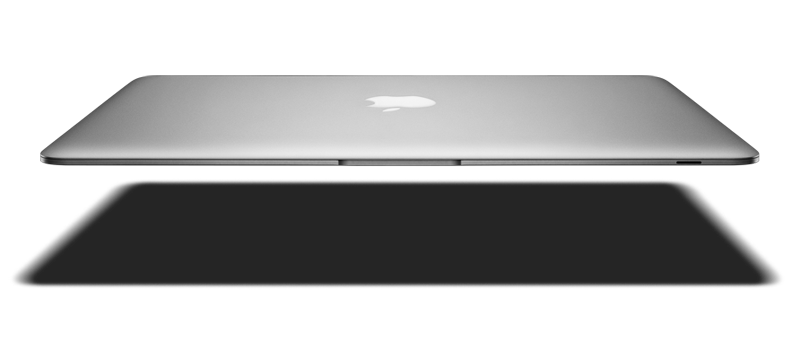
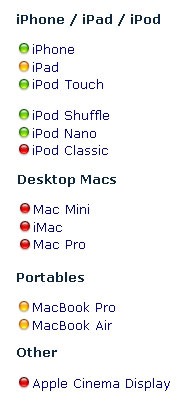 A friend of mine is contemplating a computer upgrade and wants to look at an Apple Macbook Pro or Macbook Air this year, but the $2000 price tag is something to think seriously about. He asked me for my opinion since I have a pile of old Macintosh computers and hears that most users are pretty satisfied. My advice, is to wait a few months.
I also pointed him to the MacRumors Buyer’s Guide page which compiles a “best guess” from the rumor mill as to when to “hold off” and what the upgrade cycle looks like.
For those pondering the same “when should I buy” question, check the MacRumors site once in a while and plan your upgrade accordingly.
Posted By RichC on September 27, 2012
After three rounds of Federal Reserve quantitative easing and the pumping money into the system, the economy remains depressed and there is growing concern over eventual inflation. The buying power of the U.S. dollar is noticeably weaker for those with stagnate earnings — most of middle-class America.  Who knows when government inaction on trade, deficits, debt and the “loose money” Federal Reserve policies will be reflected in the government measured indexes, but there is not much doubt that all Americans are starting to feeling the pinch when it comes to everyday necessities. Sure the “Arab Spring” and “drought conditions” will offer short term excuse for $4.00 gasoline and higher prices at the grocery store, but the reality of printing billions of dollars is going to raise the eyebrows of every armchair economist.
I probably don’t agree with everything doom and gloomers and gold bugs say, but in the reality of what is happening (or “not” happening") at the Federal level is fueling their case. Eric Sprott of Sprott Asset Management had a few thoughts on the subject this week on CNBC (mp3).
| CNBC interview with Eric Sprott (mp3) — SiriusXM to iPhone Voice Memos app |
Posted By RichC on September 26, 2012
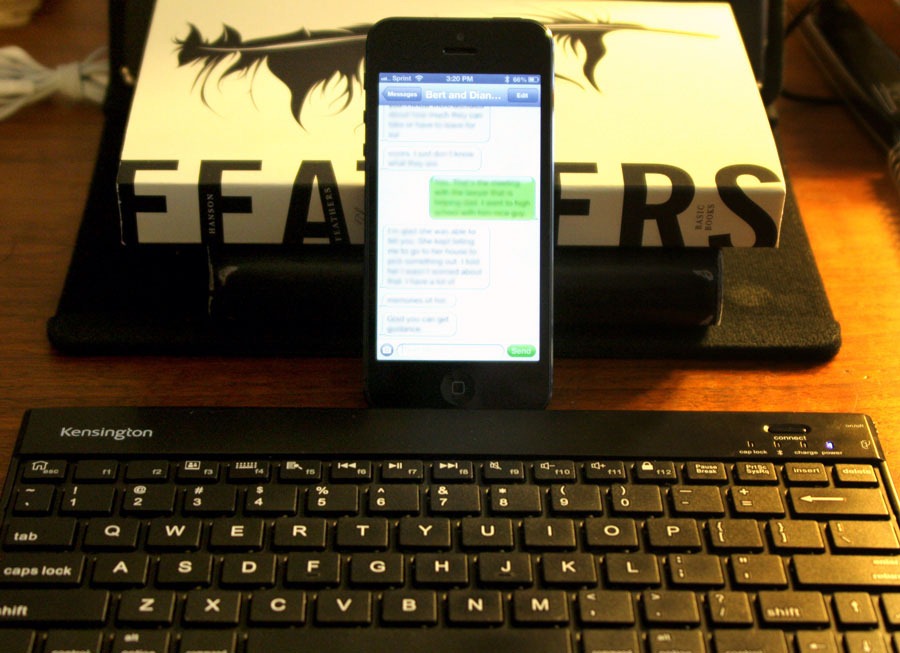
The Internet was down for a while yesterday (might have been my network issue) and realized I could no longer tether to my Palm Pre. Now that I have the iPhone 5, I’ve lost the emergency wifi connection that had come in so handy. Hmm, next best thing was to connect my Kensington bluetooth keyboard from the iPad to the iPhone … it took all of 30 seconds. So for the balance of the day  I was at least able to send out a few email replies and even found myself even using it while sending text messages!
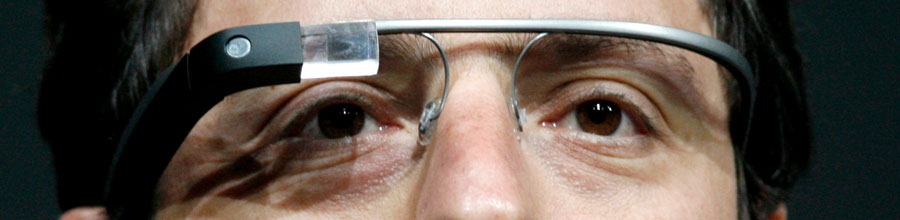
I feel like my computer life has gone full circle — I started with just a tiny green screen on a portable Compaq and then a small blue screen Mac SE, eventually adding portrait sized displays and eventually multiple monitors covering an entire work-surface. Then a decade ago something happened, I switched back to laptops and notebooks, and now travel with an iPad instead of a notebook. What’s next, am I really going to work on a 4 inch phone necessitating glasses the size of Coke bottle bottoms … or maybe Google Goggles?
Posted By RichC on September 25, 2012

Posted By RichC on September 25, 2012

We can’t blame the Seahawks or the Packers, but with all the money associated with the National Football League, there needs to be a better way to officiate than what we’ve been seeing in 2012 … and most notably in the Monday night game. Shameful. (slo-mo video below)
Below is the final “Hail Mary” pass by the Seahawks that would determine who would win or lose Monday night’s game. Green Bay’s Jennings clearly intercepted the pass, but the replacement referees signaled a touchdown for Tate of Seattle; instant replay officials confirmed the “call on the field.” I’m not sure what they were looking at — you be the judge.
Posted By RichC on September 24, 2012

After being a little (ok, a lot) disappointed with Google Maps being replace by Apple’s Maps app in iOS, I was anxious to give something else a try — so I downloaded, activated and have started to update Waze . So far so good with using the turn by turn navigation on my way to a couple addresses and manual updating of road hazards, police locations and “automatic” updating of slow traffic spots … but like all GPS “ping” oriented apps, battery life suffers (a high priority accessory is an Apple Lightning connector for the car).
I’m not endorsing Waze yet, but if you are a socially active GPS mapping kind of person, give the iOS and Android OS app a try (short video explaining Waze below).
VIDEO WAS REMOVED
Posted By RichC on September 23, 2012
Posted By RichC on September 22, 2012
The Apple iPhone 5 camera makes for a substantial improvement over my previous smartphone’s camera and so I was anxious to experiment with image quality and play with a few of the hyped features. Since I’m upgrading from the nearly “extinct” Palm Pre, running a rooted webOS install, any modern smartphone camera would have been an improvement. The tiny 8-megapixel phone camera in the iPhone 5 (and 1.2-megapixel front) may be ho-hum for iPhone 4s owners or high-end Android phone users, but for me it was a real leap forward. (inside the iPhone 5)
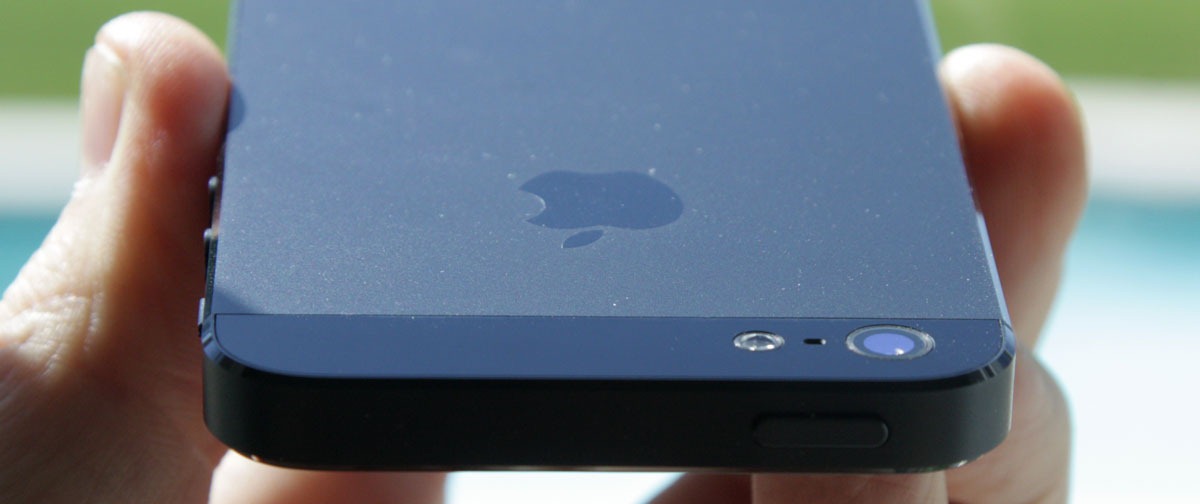
In my opinion, too much is made of the number of megapixels; it make far more sense to pay attention to the lens, optics and how focus and pixels are handled in the phone. Supposedly the Apple A6 chip and efficiency in how quick the iPhone loads the app are advancements for everyday people and how they will use their picture taking gadgets. It seems sensible to keep the images sizes down if speed and storage space are of paramount concern. So far so good … that logic registers with me.

Untouched photo through our back window from the iPhone 5 – only resized
My first photo was a tweet on Friday, but I gave a little more thought to how I’ll be using the camera as I started experimenting this weekend. Below is my first iPhone panorama HDR photo … obviously shrunk for the blog since the original image exceeds 13 megs – uploaded to Flickr. (but you can still click the inline photo below for a larger 1200 pixel wide image)

In everyday shooting, I doubt if the HDR or panorama features are ones that most people will use. Point and shoot speed, convenience of operation and automatic corrective lighting adjustments are the kinds features we really need –  along with the downloading uploading and sharing of the photos.
I tested the smaller 1.2-megapixel front facing camera with a challenging lighting situation – bright lighting directly behind the subject – just to see what the camera would do (image right). The untouched/as taken photo was substantially washed out, but I doubt my higher quality DSLR camera in program mode would have done a much better job considering the lighting.
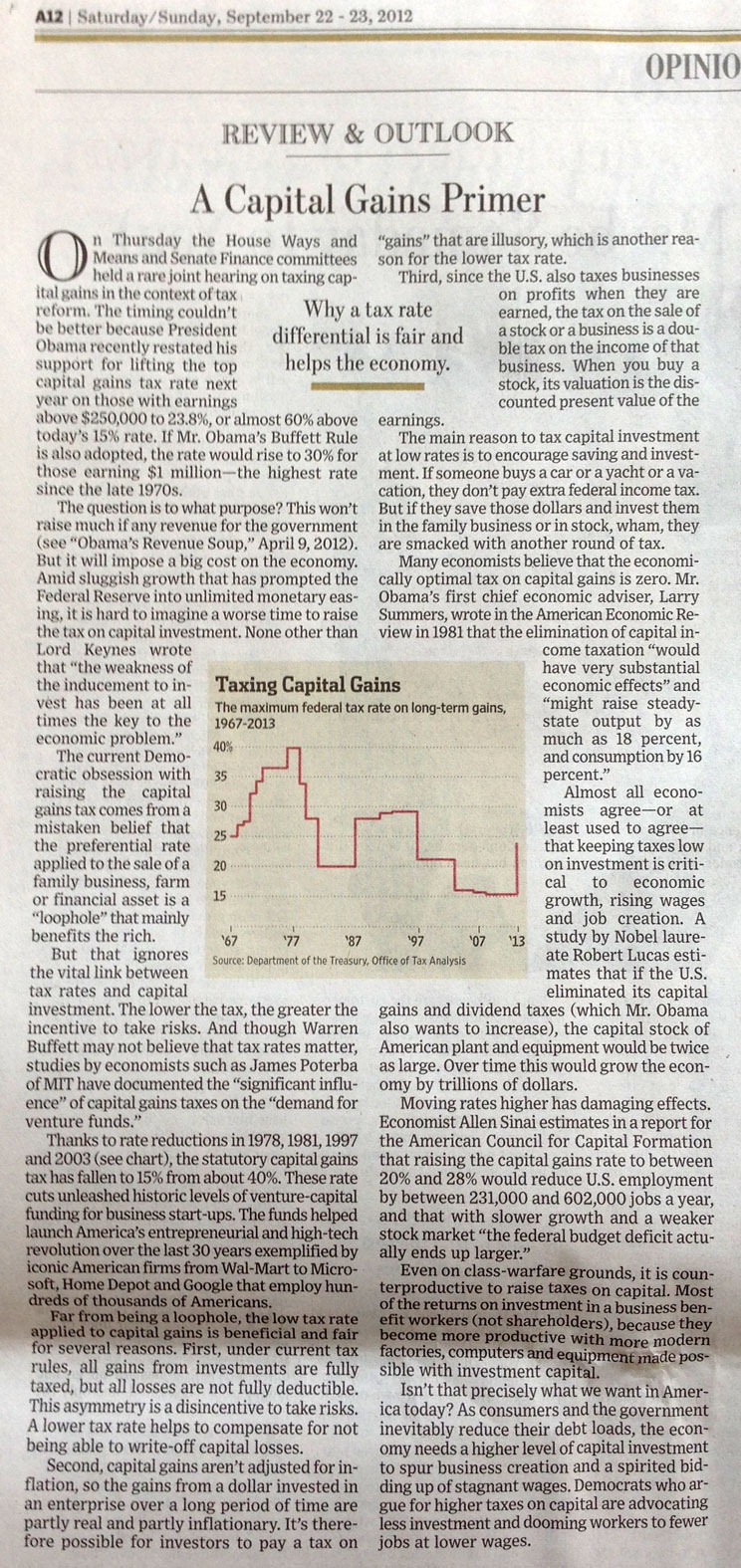 A couple other things I use a cellphone camera for are macro photos. I often take close up images and archive documents or articles … in fact am working on a smart-app for iPhone and Android to archive camera-phone “scans” in a freeform “stack or cards” type database similar to the way many of us used a rolodex or index cards – quickdex.com. (more on that in the future) My Palm Pre was really lousy for this and I knew my next phone would be one with vastly better macro capability. Besides taking a “leaf photo” (below), I snapped and cropped an article from the newspaper included to the right (click for larger). All but the top left of this image was pass-able … I’m curious if all iPhone 5s have optical imperfections?

Another area where the iPhone 5 excels now is in shooting video. The phone seems snappy and easy to operate … except for handling the diminutive sized phone! I found it difficult to keep my fingers behind the camera and steady the solid little block of aluminum and glass. What stood out most to me is the crispness of the retina display of the iPhone … and I can see that before long I’m going to want that kind of display on my notebook computer and iPad. Very nice.
All in all the camera on the new iPhone 5 is impressive. The facial recognition and autofocus feature work great and the initial images look good. I can see that leaving our Kodak Playsport Zx5 behind is going to be easy to do … and that we’ll be questioning wanting to lug my DSLR and camera bag of accessories around to family functions or while touring on vacation. For simple “capture the moment” photos and video, the iPhone 5 is going to be hard to beat.
A quick test of the front facing video camera and audio below.
Posted By RichC on September 21, 2012
While waiting for delivery of a new 4G LTE phone, it made sense to compare carriers who currently have markets offering these higher data rates (currently Verizon, AT&T and Sprint). For many in the U.S. and overseas who are locked into existing contracts or not near LTE metro areas, buying a 4G LTE phone will mean little.
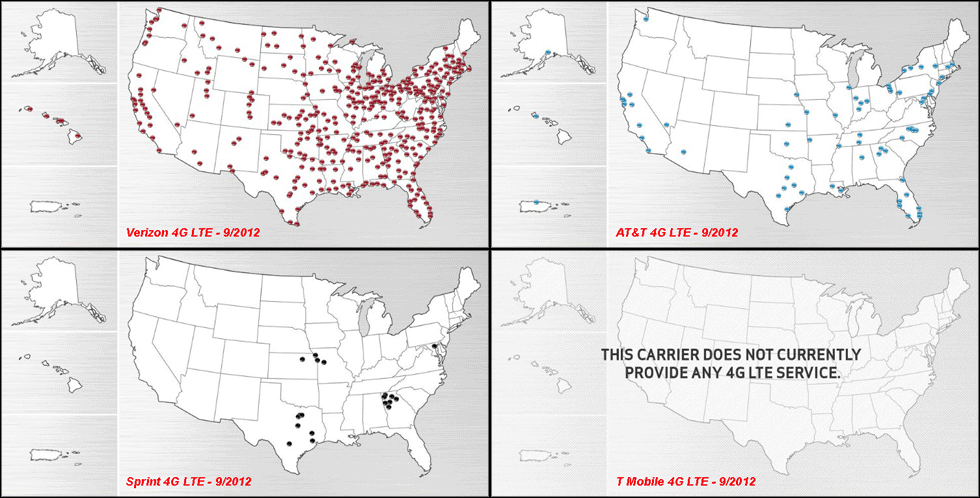
Unfortunately for me, Sprint currently has a weak LTE footprint for an iPhone 5 with LTE radio chip, but they do promise an aggressive rollout in 2013 – 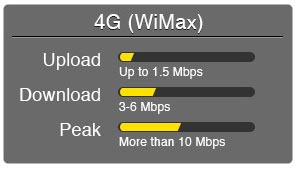 who knows when the Ohio cities will come online? My wife and daughter occasionally use Sprint’s WiMax 4G which improves on 3G speeds, but has a small footprint and drains an already taxed smartphone battery (although the WiMax 4G footprint is far larger than their current LTE offering).
Verizon has hit the media airwaves heavy with ads highlighting their LTE coverage (video) and is using it to attract data hungry  users desiring faster speeds. AT&T seems to be struggling to catch up, but where they do have service, the speeds are impressive. A friend of mine traveling to Orlando last week sent me his AT&T speed test. Not bad unless your data use is limited … but that’s for another post.
