While out of town this week at one of my regular hotels, I noticed a speedy brown spider about the size of a nickel in my room at night, perhaps the Brown Recluse –Loxosceles reclusa (photo right). I tried to catch him, but he was evasive and when behind one of the screwed down pictures on the wall. There is an excellent website detailing information on Ohio spiders … particularly biting spiders and I sent them an email to see if I’m off base. (marion.ohio-state.edu)
Unfortunately he didn’t stay there when I went to bed and decided to give me a ‘kiss.’ (Palm Treo 700p cellphone photo below) I’m hoping that the poison isn’t all that infectious since some of the photos of bites are pretty nasty — don’t look if you are squeamish — and whatever you do, don’t watch the video!
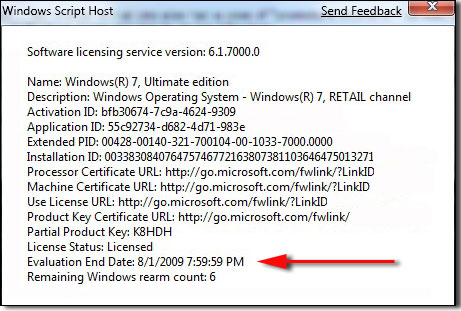
The Microsoft Windows 7 Release Candidate (RC) came out on Tuesday this week and although I’m in no hurry to switch from the Beta (see my original install post), I did find some of the information disconcerting. First, the August 1st expiration date on my current beta build has been confirmed. You can also check it out by going to the command prompt and under an elevated status log-in and enter ‘slmgr -dlv’ — this will give you the true expiration date.
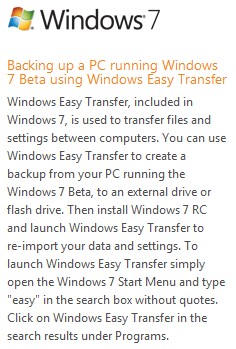
Second, installing the new Windows 7 RC may be a bit of a headache depending on your approach. The easy way would be to back up all your data using the Windows 7 “Easy Transfer” software and an external hard disk. This provides for a clean install of the RC release dumping the beta bits and pieces. Another option might be to downgrade to Vista, but as I mentioned in my last post about Windows 7 Beta, it ain’t going to happen since I’m not a Vista lover. Perhaps I’ll work on the RC install over the weekend since the 32-bit download is a 2.36 GB iso file! 😡 Here’s what you need to know:
This is pre-release software, so please read the following to get an idea of the risks and key things you need to know before you try the RC.
You don’t need to rush to get Windows 7 RC. The RC release will be available at least through June 2009 and we’re not limiting the number of product keys, so you have plenty of time.
Watch the calendar. The RC will expire on June 1, 2010. Starting on March 1, 2010, your PC will begin shutting down every two hours. Windows will notify you two weeks before the bi-hourly shutdowns start. To avoid interruption, you’ll need to install a non-expired version of Windows before March 1, 2010. You’ll also need to install the programs and data that you want to use. (Learn more about installing Windows).
Protect your PC and data. Be sure to back up your data and please don’t test Windows 7 RC on your primary home or business PC.
Technical details/updates: Before installing the RC please read the Release Notes, and Things to Know for important information about the release.
Internet access (to download Windows 7 RC and get updates)
A PC with these minimum recommended specifications:
– 1 GHz 32-bit or 64-bit processor or higher
– 1 GB of system memory or more
– 16 GB of available disk space
– Support for DirectX 9 graphics with 128 MB memory (to enable the Aero theme)
– DVD-R/W Drive Please note these specifications could change. And, some product features of Windows 7, such as the ability to watch and record live TV or navigation through the use of “touch,” may require advanced or additional hardware.
Get the download
The 32- and 64-bit versions of Windows 7 RC are available in five languages: English, German, Japanese, French, and Spanish. (Note: The RC version will not be available in Hindi or Arabic.) Just choose the version that fits the system you’ll be using and pick your language to register for and download the RC.
Downloading the Windows 7 RC could take a few hours. The exact time will depend on your provider, bandwidth, and traffic. The good news is that once you start the download, you won’t have to answer any more questions – you can walk away while it finishes. If your download gets interrupted, it will restart where it left off. See this FAQ for details.
According to computer security expert Steve Gibson, there is a javascript flaw in the widely used Adobe product Acrobat 7, 8 and 9 includiing their Reader software. There is an easy fix that can be taken by users before Adobe come out with the ‘fix’ — it as simple as unchecking the ‘Enable JavaScript’ box. As far as I know, javascript is rarely, if ever, used in an Adobe Acrobat document anyway. Those using either of these two Adobe products should go to the “tools” menu, select “preferences” and look for the “javascript” sidebar item. (This might be a good post to recommend a great PDF product call Foxit3.0)
==>Tools ==>Preferences==>JavaScript and uncheck ‘Enable JavaScript box
I know that I’ve posted one too many photos of the gazebo progress, but one more picture taken while the sun sets won’t hurt. This one was taken on Tuesday night just after the construction workers installed the railings and before the rain came today, Wednesday 5/6/2009.
I’ll also use this to mention that I’ve been pleased with the WordPress plug-in called Lightbox2 which creatively displays a larger version of images when available. For example, if you click the above photo, Lightbox will creatively open a new larger image in most browsers while darkening the post behind it. I liked it enough to included the plug-in as a suggestion as ‘top ten list’ for beginning bloggers to the WMUB Help Desk radio/podcast yesterday — here’s the mp3 link. to the program (right-click/save as).
EDIT: A November 21, 2009 follow up photo after the gazebo was complete.
Let me know if you would like a one month NetFlix Trial … a couple weeks longer than the normal promo.
Who wouldn’t like a free month of movies? Forward this email to your friends and family, and they’ll get a FREE month of Netflix. That’s twice as long as our regular free trial!
This limited time offer for your friends and family expires 06/15/2009, so forward this email today.
Short on time tonight, so here a YouTube comedy video from Rhett & Link that promotes an iPhone app called Leaf Trombone World Stage. They are best known for their internet videos and are self-proclaimed “Internetainers”. In addition to their web presence, Rhett & Link are also musicians and filmmakers, and have worked in network television as hosts. They own and operate a video production company called Rhett and LinKreations, LLC.
For more information on Rhett & Link, their bio is a great read.
The second live broadcast of the WMUB Help Desk podcast on ustream.tv. (testing the embed) Hopefully the archive version will be available ‘here’ after the Tuesday morning 5/5 live recording.
There’s an excellent new Volkswagen TDI Truth & Dare consumer blog and video marketing campaign attempting to educate American’s about ‘clean diesel’ cars. Volkswagen seeks to build on diesels reputation for economy, longevity and resale value by putting to rest the connotation that they are also slow, loud and dirty. The great videos associated with this marketing site should keep my diesel friends smiling, at least a couple minutes — they certainly made me smile. I’ll string together the YouTube clips from ‘mydubs‘ below suspecting they may eventually disappear from the tdi.vw.com website.
I’ve noticed increased number of programs proposing to consolidate social networking sites with software or websites. This weekend I thought I would give a couple of them a try, even though I don’t really use too many different social networking platforms.
First, I installed Skimmer by Fallon, and then Seesmic Desktop, both which are Adobe AIR apps. The first one does a pretty good job of accessing several popular services: Twitter, Facebook, Flickr, YouTube and Blogger, but I wasn’t comfortable with the interface (probably didn’t give it enough time?). I did use it to update the small avatar photo (above) to Flickr and send to my Blogger account though.
The second, Seesmic Desktop, was pretty interesting in that it reminded me of the TweetDeck app that I use primarily for Twitter and Twitpic, although it looks a bit more powerful. There’s support for multiple Twitter accounts and offers drag and drop and has functional column views as we’ll as making the detachable. I’m reluctant to give up Tweetdeck at the moment, but it does look as if this Adobe AIR app has one upped them? (check out the Seesmic Desktop video below.
I’ve noticed that the neighborhood gazebo project is coming along nicely while checking in with the live ustream.tv feed over lunch. We now have the cupola and the railings are starting to appear. (and the water level in the lake is rising too!)
 While out of town this week at one of my regular hotels, I noticed a speedy brown spider about the size of a nickel in my room at night, perhaps the Brown Recluse –Loxosceles reclusa (photo right). I tried to catch him, but he was evasive and when behind one of the screwed down pictures on the wall. There is an excellent website detailing information on Ohio spiders … particularly biting spiders and I sent them an email to see if I’m off base. (marion.ohio-state.edu)
 The easy way would be to back up all your data using the Windows 7 “Easy Transfer” software and an external hard disk. This provides for a clean install of the RC release dumping the beta bits and pieces. Another option might be to downgrade to Vista, but as I mentioned in
  According to computer security expert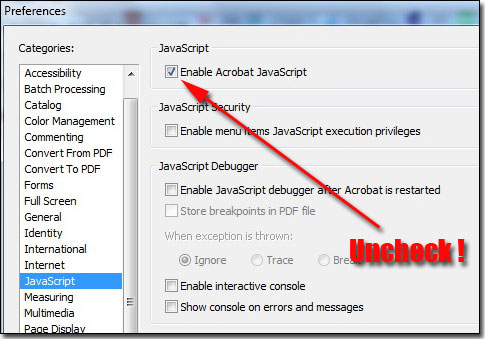





 I’ve noticed increased number of programs proposing to consolidate social networking sites with software or websites. This weekend I thought I would give a couple of them a try, even though I don’t really use too many different social networking platforms.