TechFriday: Circumventing AdBlocker detection websites

Posted By on May 26, 2017

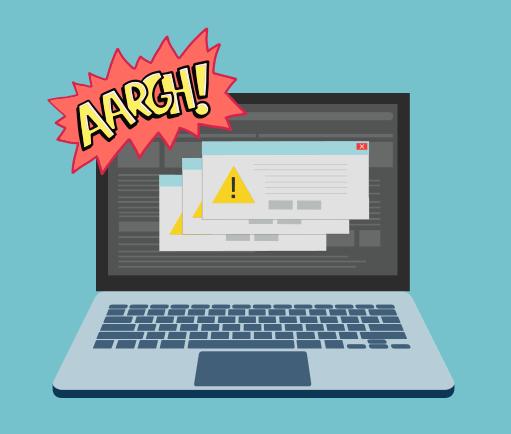
Are you tired of more and more sites with pop-ups blocking content and asking your to whitelist their sites from your browsers ad blocking extension if you want to read their content? Then read on.
First, I’m an advocate for advertiser supported websites and appreciate readers who occasionally read and click the few ads that are semi-hidden in the sidebar or bottom of the page (aka: this site). If websites keep their advertising to the unobtrusive minimum, then please whitelist them and support the site.

If the site you want to visit is obnoxiously full of ads, then something like AdBlock-Plus is your friend. It uses excellent filter lists and will eliminate a lot of the clutter on most websites. Still there are going to be those annoying websites which detect your ad blocking extension and pop-up blocking features. Most will pop up a “we detect your ad blocker” window and block their content until your whitelist. If you grow tired of this and dislike their ads for one reason or another, give this a try if you are not on a mobile device.

I don’t want to see ads, period

If you’d rather not see any ads while you visit an anti-adblocking site, try the following steps instead. They enable AdBlock to circumvent the tests most websites use to detect ad blockers. (See “How does a website know you’re using an ad blocker,” below.)

1. Subscribe to the Adblock Warning Removal and Anti-Adblock Killer filter lists.

  1. Click the AdBlock button and select Options.
  2. On the FILTER LISTS tab, click update now. Wait a few moments for AdBlock to fetch the latest updates to your filter lists.
  3. Enable the Adblock Warning Removal list.
  4. Visit reek’s website and click Subscribe to subscribe to the AakList (Anti-Adblock Killer filter list). When you’re prompted to confirm, click OK.

2. Create a custom filter for the site.

  1. In AdBlock’s options on the CUSTOMIZE tab, click Edit.
  2. In the text box type: @@||example.com$generichide (Chrome) or @@||example.com$elemhide (other browsers).
    Replace “example.com” with the name of the website. For example, to create a filter for twitch.tv, type @@||twitch.tv$generichide (Chrome) or @@||twitch.tv$elemhide (other browsers).
  3. Click Save.
  4. Reload the page where you were seeing the anti-adblock warning.
  5. If it doesn’t work, type chrome://settings/cookies in the address bar, clear cookies and local storage for that site, and test again.

If the Adblock Warning Removal and Anti-Adblock Killer filter lists don’t work, try adding a userscript as well

If the steps above don’t prevent the site from showing you the anti-adblock warning, try installingTampermonkey (for Chrome, Edge, Safari, and Opera) (or Greasemonkey for Firefox) and the Anti-Adblock Killer userscript.


If nothing else helps, try turning off JavaScript

Many sites use JavaScript tests to detect ad blockers. If the filter lists and userscript above don’t prevent the site from blocking you, you can disable JavaScript in your web browser’s settings. Please note that this may break other parts of the site, however.


Having a little trouble with these instructions?

One of our users wrote a helpful article that shows how to subscribe to the Anti-Adblock Killer filter list and install the Anti-Adblock Killer userscript. (Thanks, Tabish!)

Here’s another article with step-by-step instructions for disabling JavaScript and using Tampermonkey/Greasemonkey, courtesy of GuidingTech.com.


Report the website to help other folks

If the above steps don’t remove the warning, please report the website to the folks who maintain the filter lists:


You can also report the site to Anti-AdBlock Killer.

Have you disabled or even uninstalled AdBlock but a site still asks you to disable your ad blocker?

Please see this Knowledge Base article.

Bonus tip #1 (Forbes.com, Hulu.com, ComedyCentral.com)

We found a nice article on how to bypass websites that block AdBlock (e.g., Forbes.com). This method, which incorporates some of the steps we suggested above, also works on Hulu.com and ComedyCentral.com (according to the comments, at least; your mileage may vary).

Bonus tip #2 (TimesofIndia.com, IndiaTimes.com, EconomicTimes.com)

Please see this Knowledge Base article for some custom filters that prevent these sites from raising that anti-adblock wall. Note: You may still see a few ads disguised as native content. But hey, at least you can get in to read your news without seeing all those OTHER ads.

Bonus information: How does a website know you’re using an ad blocker?

There are a couple of ways websites can detect ad blockers. The easiest way is to try to download a tiny piece of JavaScript code that’s like “bait” for an ad blocker, then use another piece of code to test whether the download occurred. If the download is blocked, the site knows an ad blocker is in use.

Similarly, the site can try to download a resource that’s commonly used to serve an ad, and if that resource is blocked or hidden, it indicates an ad blocker is present.

LINK

How do mothers keep their babies safe in the world today?

Posted By on May 25, 2017

This content is restricted.

Artwork or recyclable copper scrap metal?

Posted By on May 25, 2017

coppertubingartwork170522I’ve seen crazier ideas, so before I dismiss my wife completely for seeing this as artwork, it will get moved from the recycle bin to a temporary hanging spot in my shop. I could have lied and claimed this was "my latest eccentric artwork." 

Winking smile

Brenda would like me to make a frame or shadow box in order to hang this masterpiece on the wall. (for the record I just replaced the water line to the icemaker of the refrigerator after remodeling the kitchen)


Houston, we have a problem – a SKUNK problem

Posted By on May 24, 2017

As less developed areas evolve from rural to suburban, many homeowner and the critters who call the area home, are faced with figuring out how to live together Skunk in livetrapor struggle to set boundaries.

We have never lived in urban or fully developed areas so dealing with Ohio’s variety of wildlife is normal. In the early 1980s I build a deck onto our little brick farmhouse outside Aurora, Ohio and spent a spring co-existing with a mother skunk having her babies nestled under it … eventually they went away and we never had an issue. In our second house it was groundhogs — I probably should have known that since we lived in Hudson Ohio on 5 acres parcel with a sign labeling it “Groundhog Hill.” Let’s just say my eradication method of pouring diesel fuel with a gasoline chaser down their holes was not effective or a recommended method, but it did leave a black scorched streak up the side of our house for the groundhogs to laugh at (FYI, don’t do that).

Here north of Cincinnati we were relatively early in building our home in Liberty Township and regularly are dealing with everything from deer, mink, coyotes, feral cats, mice and my ongoing battle with raccoons finding their way into my attic (which is why the trap is set).

Looking for a good deal on a new car?

Posted By on May 23, 2017

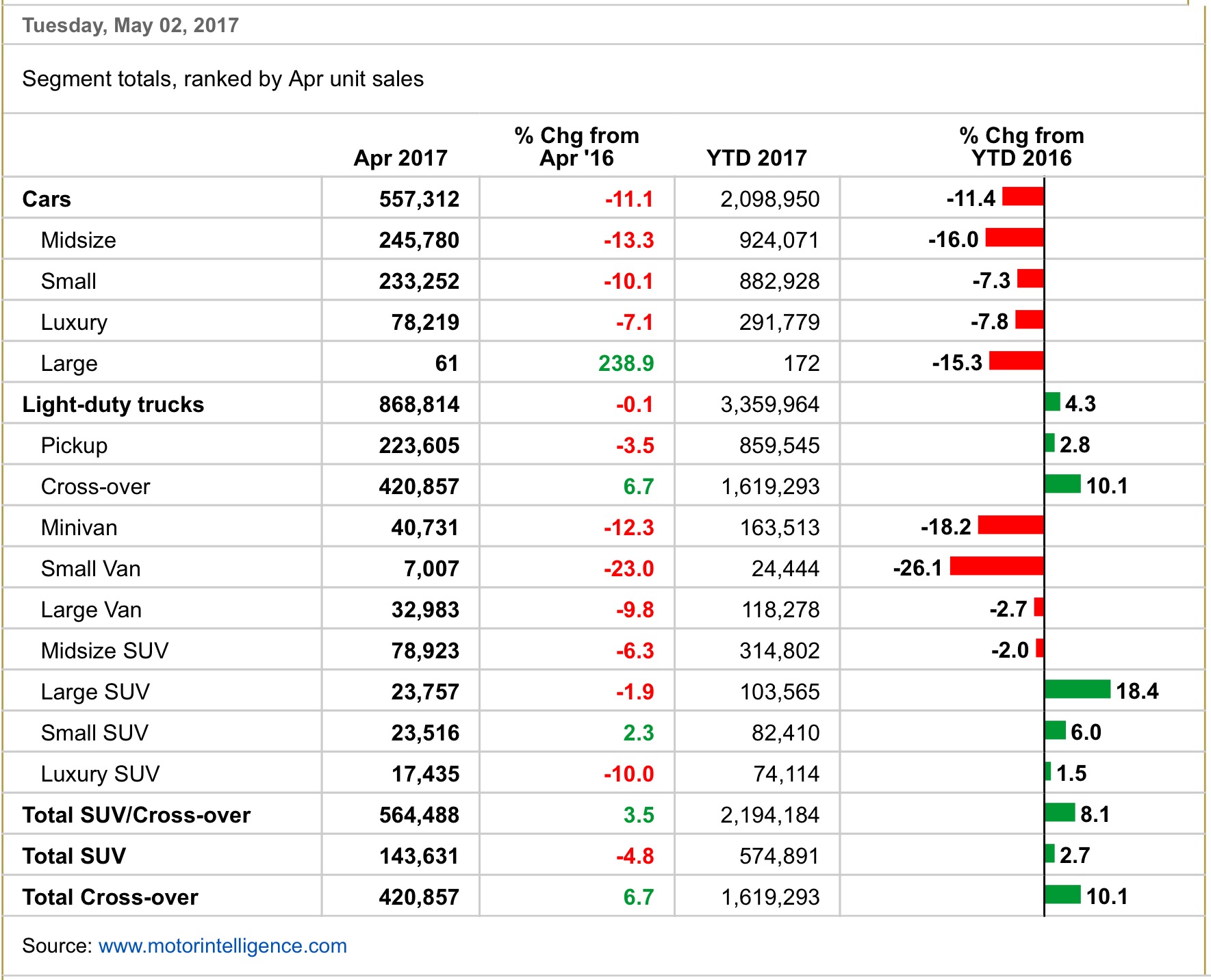
Cars inventories are building up, especially “cars” as compared to SUVs, etc. … so for the best deals (negotiation power) on new cars start with what isn’t moving. If an SUV is a must, the mid-sized models might make for the best deal and if it is “just reliable transportation” you need, there are a lot of 2017 4-door sedans looking for a home before the 2018s start showing up in a few months.

Music Monday: The Byrds and Mr Tambourine Man from 1965

Posted By on May 22, 2017

This content is restricted.

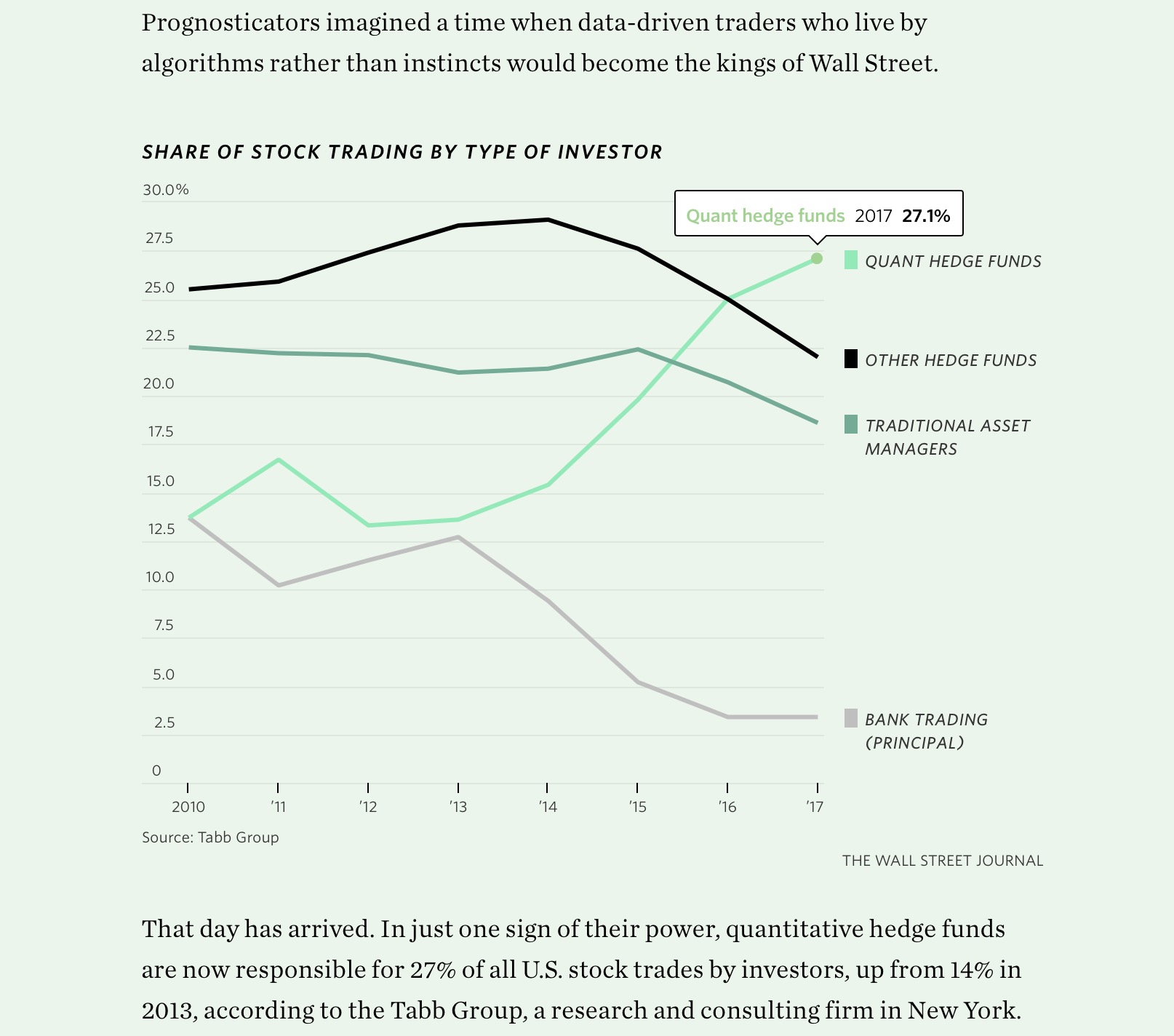
The Quants Run Wall Street Now – @WSJ

Posted By on May 21, 2017


LINK to WSJ article

Matched content ads by Google Adsense

Posted By on May 21, 2017

For those of you who are regular visitors to MyDesultoryBlog and are not running an ad blocker plugin on your browser, you may have noticed a small snippet of new  ad content in the sidebar. Last month, GoogleAdsense offered an upgrade to this blog’s minimal advertising experiment. The new ad content promotes “matched” internal content from similar previous posts their algorithms pick … with 6000 to choose from, it would be interesting to know how “it” decides?
🙃
The new small ad box is not a “pay per click” unit like most online marketing linked ads, but is used as a way to keep a viewer on a site longer. The longer visitors read and view, the more “other” marketing attempts can be put in front of potential customers. According to their research, the “number of pages viewed increased by 9% on average” and the “time spent on site increased by 10%.” Obviously my personal journal style blog is not the ideal place for ads, but it is still surprising to review just how Google is building their marketing powerhouse.

If you are thinking about “matched content ads for your site and if it is right for your site, there are a few limitations:

Matched content is available for sites with multiple pages and high volumes of traffic. Have a look at the site management settings in your AdSense account to see if your site(s) is eligible to run Matched content. Make the most out of your Matched content units with these best practices:

  • Let Google help you find the right size by using responsive Matched content units.
  • Place your Matched content unit directly below the article and either above or below your ad unit
  • Consider using Matched content on long scrolling pages

LINK

The economy: 5 Lessons From 1Q 2017 – Jim Glassman

Posted By on May 20, 2017

Every once in a while comes an it’s a small world surprise and one wonders, “why didn’t I know this?” This past week, my sister-in-law sent me a link to an article from her husband Dan Glassman’s brother Jim. The link was to Jim’s Linkedin page and opined on the economy. I figured … we are all amateur economists and doodle our opinions on blogs and social networks since everybody has access the Internet and self-publishing platforms nowadays — I figured I would check it out later.

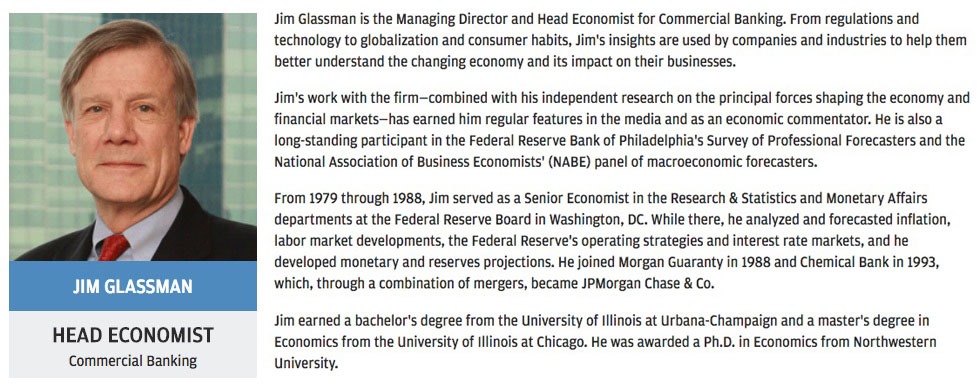
After finally reading, I found out Dan’s brother is Jim Glassman of JPMorganChase and his opinion as “head economist” is actually a bit more respected than those of us who run around bloviating on the subject; he actually gets paid for his opinion! Obviously a few “higher on the finance education chain” (JPMorganChasethink so too and have found his thoughts worthy of their attention.

JimGlassmanHeadEconomistJPM
Click  above image for larger and to read Jim Glassman’s bio

After noting this, I read his latest article on “5 Lessons From the 1Q 2017” with a bit more interest and even search back to read a few more articles … and watched his presentations and TV interviews. Very impressive credentials and worthwhile thoughts. Thanks for sharing, Lynda!

5 Lessons From 1Q 2017

Coming out of the first quarter, the focus may have been on GDP figures, but there are plenty of other lessons to learn from the first three months of 2017, including these five key takeaways.

The primary news coming out of the first quarter was the disappointing GDP figure, signaling US economic expansion slowed to a 0.7 percent annualized rate over the first three months. As discussed in last week’s article, there are broader measures that should also be considered when evaluating the economy’s health. This week, we focus on five key lessons coming out of 1Q.

1. We’re Not “Due” for a Recession

The recovery is wrapping up its eighth year, placing the current period of economic expansion among the longest on record. Fortunately, the business cycle doesn’t run on a calendar, and recessionary risks should remain low until the Federal Reserve fully normalizes interest rates.

Despite having taken the first steps toward normalization, the current monetary posture remains quite accommodative. Not only are short-term rates still at historically low levels, but the lingering effects of quantitative easing have also pushed long-term borrowing costs below their natural level. Artificially low borrowing costs should allow the economy to absorb imbalances that might otherwise lead to a recession.

2. Profit Slumps Don’t Tell the Full Story

Weak profits and falling corporate expenditures have often preceded recessions, but not every period of declining profitability has signaled a downturn. The decline in capital spending and corporate profits that accompanied the oil glut wasn’t a sign of weakness in the broader economy. While capital-intensive oil exploration projects were paused, consumers enjoyed the windfall from falling fuel prices. The resulting benefits from cheap oil are still materializing across the entire consumer sector, but the pain was immediately felt by energy companies and oil patch towns. However, the dislocations from falling oil prices will ultimately be overwhelmed by the benefits accompanying rising household wealth.

3. The Fed Focuses on the Big Picture

With the economy near full employment, the Fed is shifting its strategy toward prolonging the business cycle’s peak. After eight years of above-trend growth, the recovery’s health is no longer in doubt, and the Fed is likely to begin taking a more conceptual approach to interest rate normalization.

Over the coming year, monetary policy decisions will be guided by the long-term goal of withdrawing accommodation in a predictable fashion, even if that means being less responsive to the most recent economic data. Individual economic reports are always volatile, and the importance of monthly figures is likely to fade as the Fed’s focus shifts toward promoting long-term sustainable growth. Expect the Fed to stick to the plan, even in the face of temporary weakness.

4. Economic Activity Doesn’t Stop for Uncertainty

Political uncertainty has done little to slow the markets, as evidenced by the immediate aftermath of Brexit and Donald Trump’s surprise victory. While major legislation hasn’t yet been passed in 2017, equities investors appear to be encouraged about how the administration’s pro-business agenda could impact them in the future.

5. An Equation is No Substitute for Monetary Policy

Some of the Fed’s critics suggest that monetary policy should be governed by a set of fixed rules, eliminating the need for a committee of economists to set interest rates. But an equation linking rate hikes to developments in unemployment and inflation would’ve likely been counterproductive during the recovery.

It’s easy to find points in the recent past when a strict rule-based monetary policy would’ve led to missteps. For example, when the headline unemployment rate underestimated the true level of slack in the labor market, a rule would’ve likely prescribed monetary tightening prematurely, restricting job growth when it was still needed. Additionally, when collapsing oil prices skewed inflation downward, a rule-based reaction might’ve missed the underlying strength in demand and left rates too low for too long, risking an overheated economy. In retrospect, the Fed has done admirably at promoting the recovery, and it’s hard to imagine an equation could’ve capably substituted for experienced judgment.

Jim Glassman, Head Economist, Commercial Banking May 10, 2017

Obviously some strong microbursts blasted SW Ohio?

Posted By on May 19, 2017

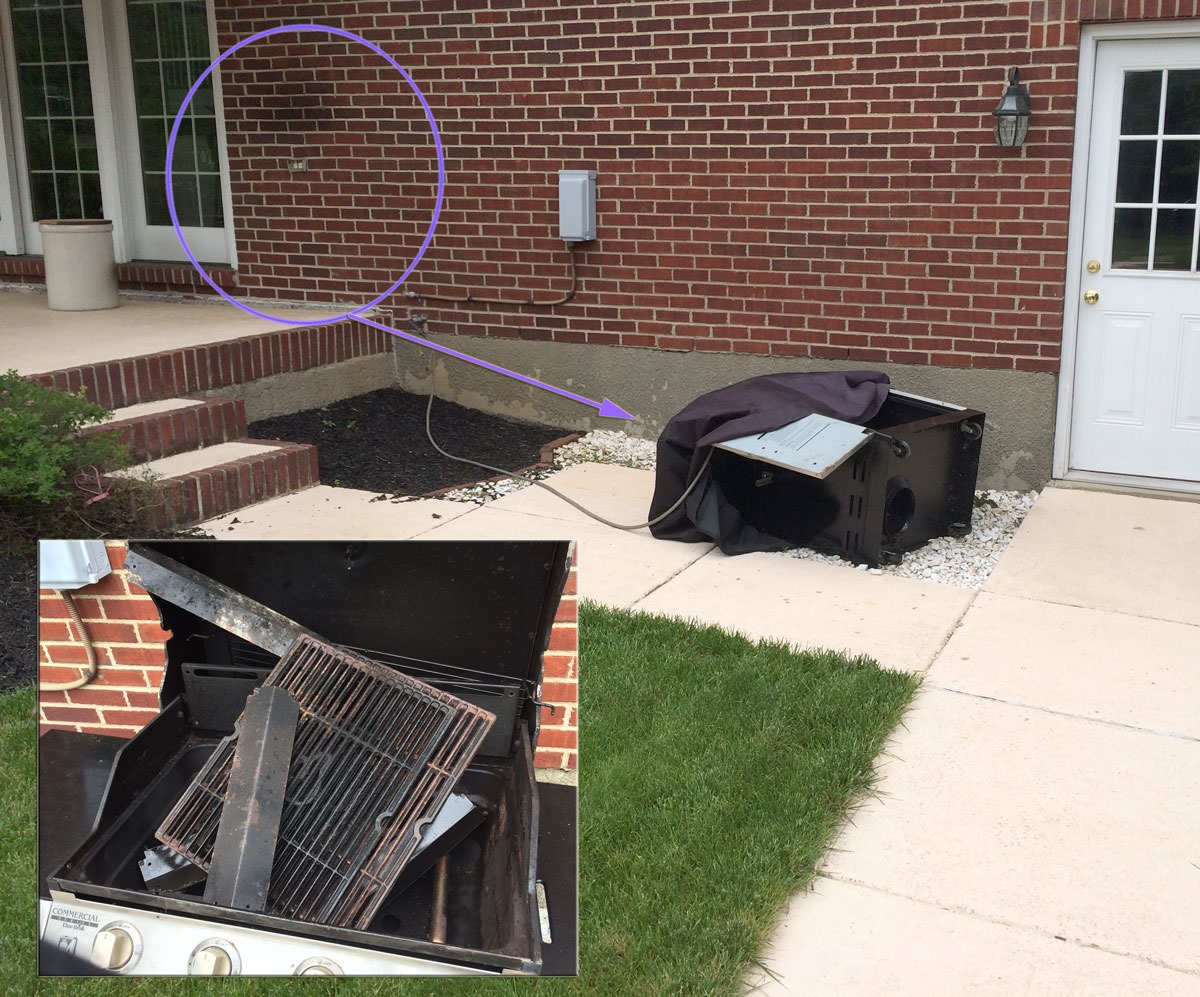
heavyrains170519It takes a bit of wind to blow a grill off the patio, but with the wild storm blasts rolling from the south and west the last couple of days, that is just what it did. (and I think the back wheels were locked!)

I picked up the pieces last night (but not on the patio) and the recycled grill is still functioning … although with a few more dents, twists and a torn cover. Perhaps it is time to rethink the location or the wheels. (caster cups?)

GrillBlownOffPatio170518

Desultory - des-uhl-tawr-ee, -tohr-ee

  1. lacking in consistency, constancy, or visible order, disconnected; fitful: desultory conversation.
  2. digressing from or unconnected with the main subject; random: a desultory remark.
My Desultory Blog