Christmas in Minnesota as a family
Posted By RichC on December 27, 2016
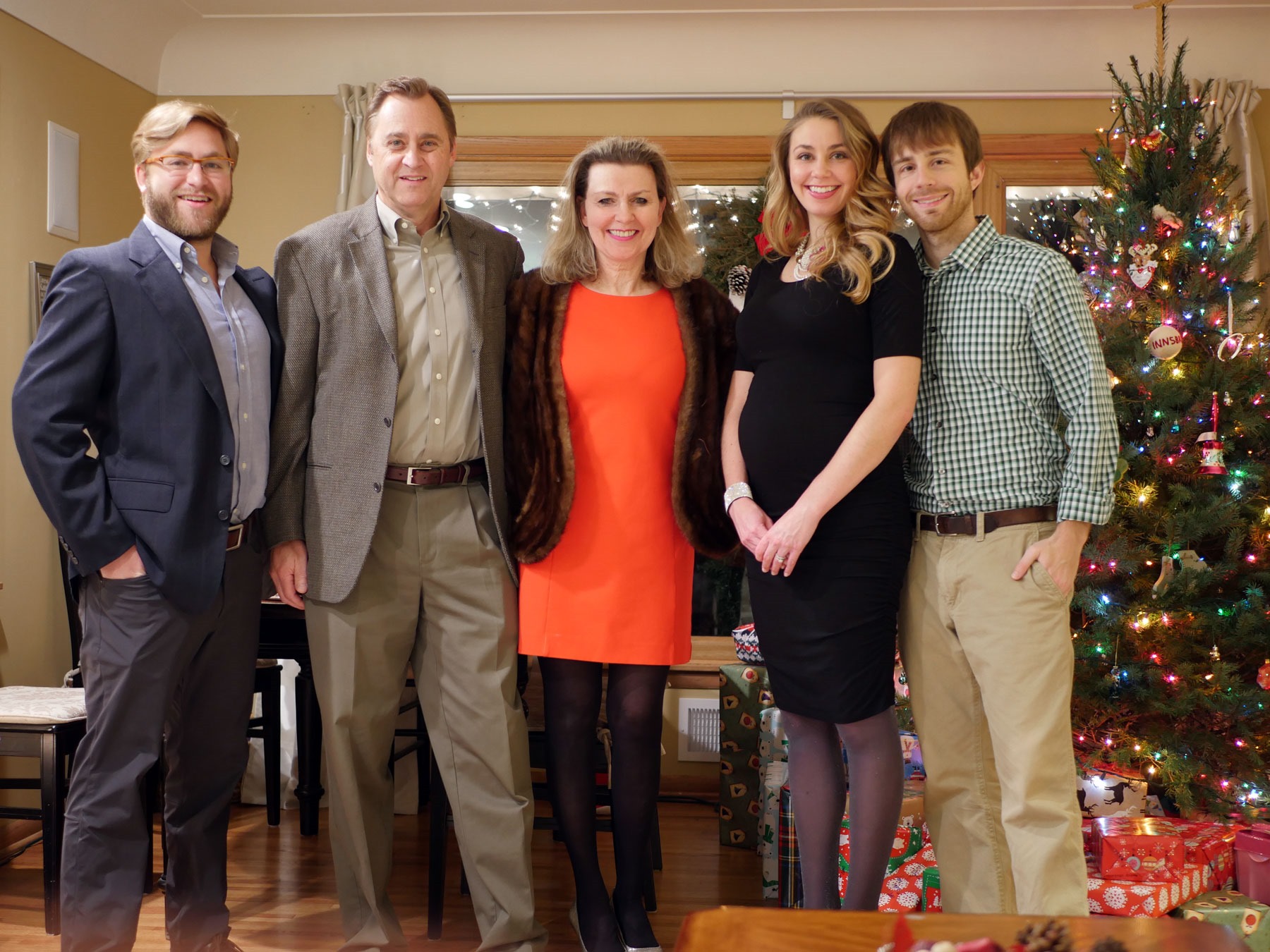
After a bit of a delay in maintaining daily blog posts, Brenda, Taylor and I returned from our family Christmas with Katelyn and Drew in Wayzata, MN on Monday night. It was a whirlwind trip and thankfully without incident. First thing first … 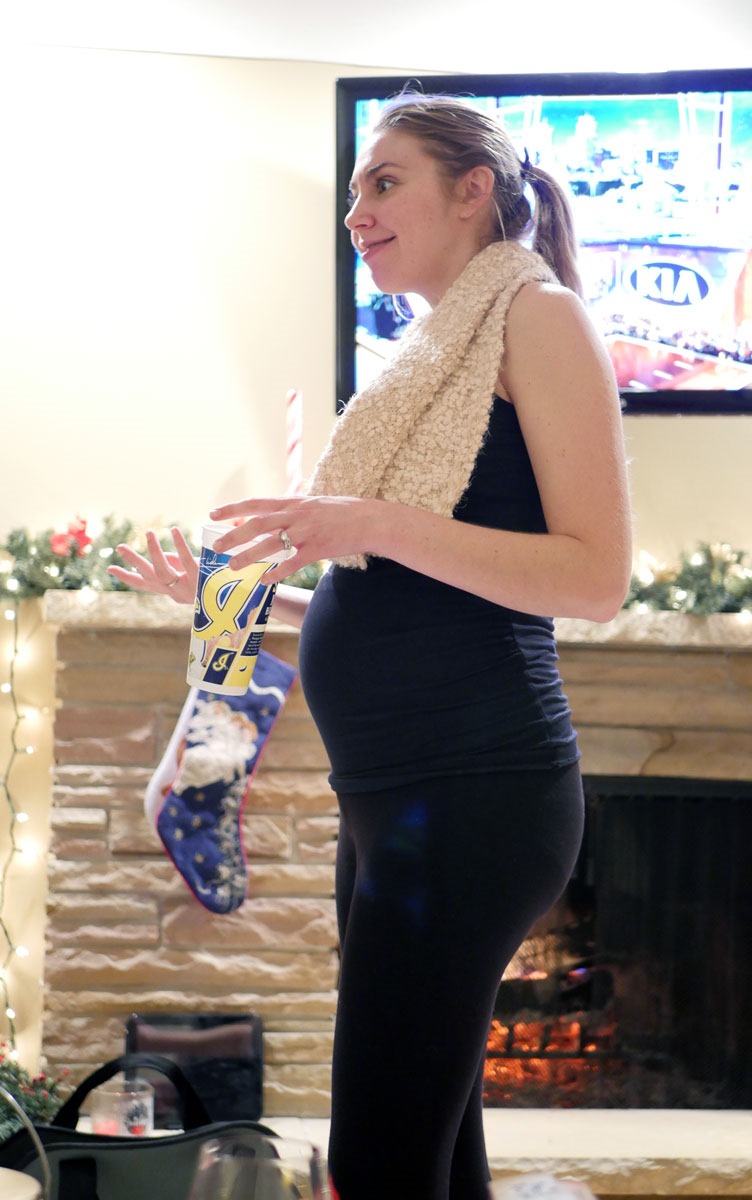 our growing granddaughter is definitely noticeable as a “babybump” (an overused word). The size change has Katelyn sporting a wardrobe to accommodate Babygirl Oostra. All are doing great.

Below are a few more photos from our 2016 Christmas in Minnesota.

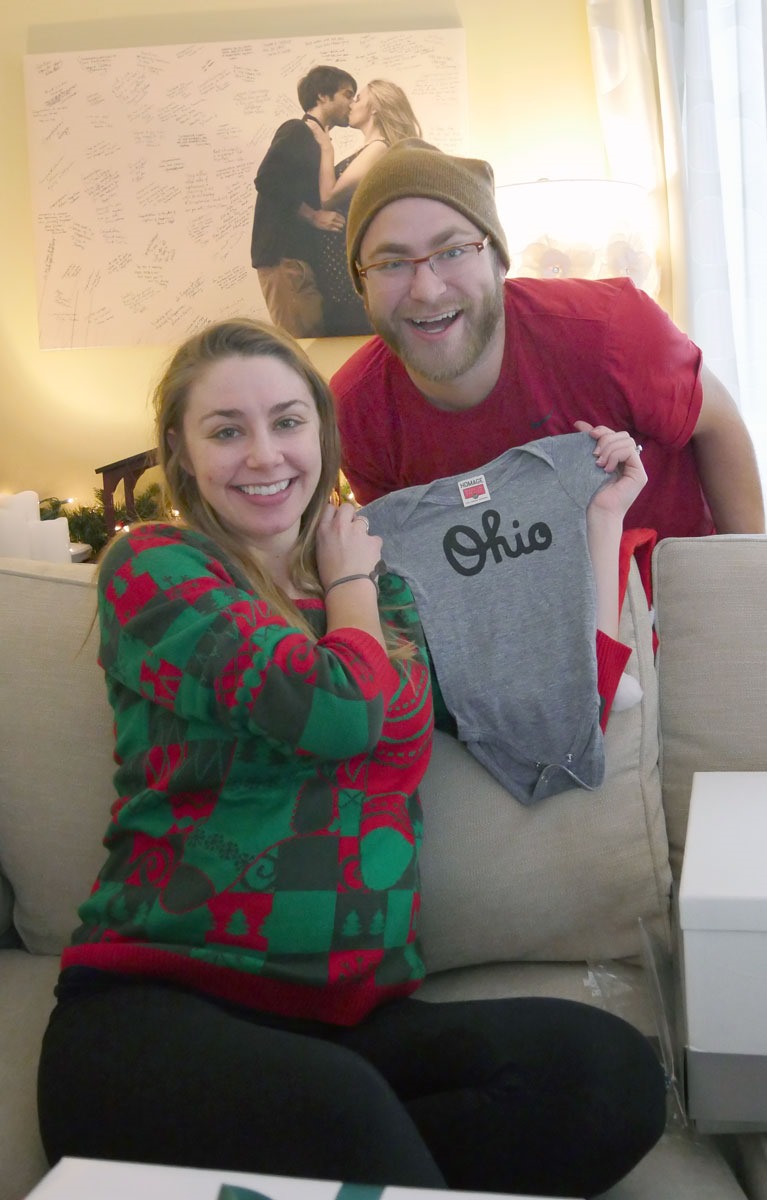


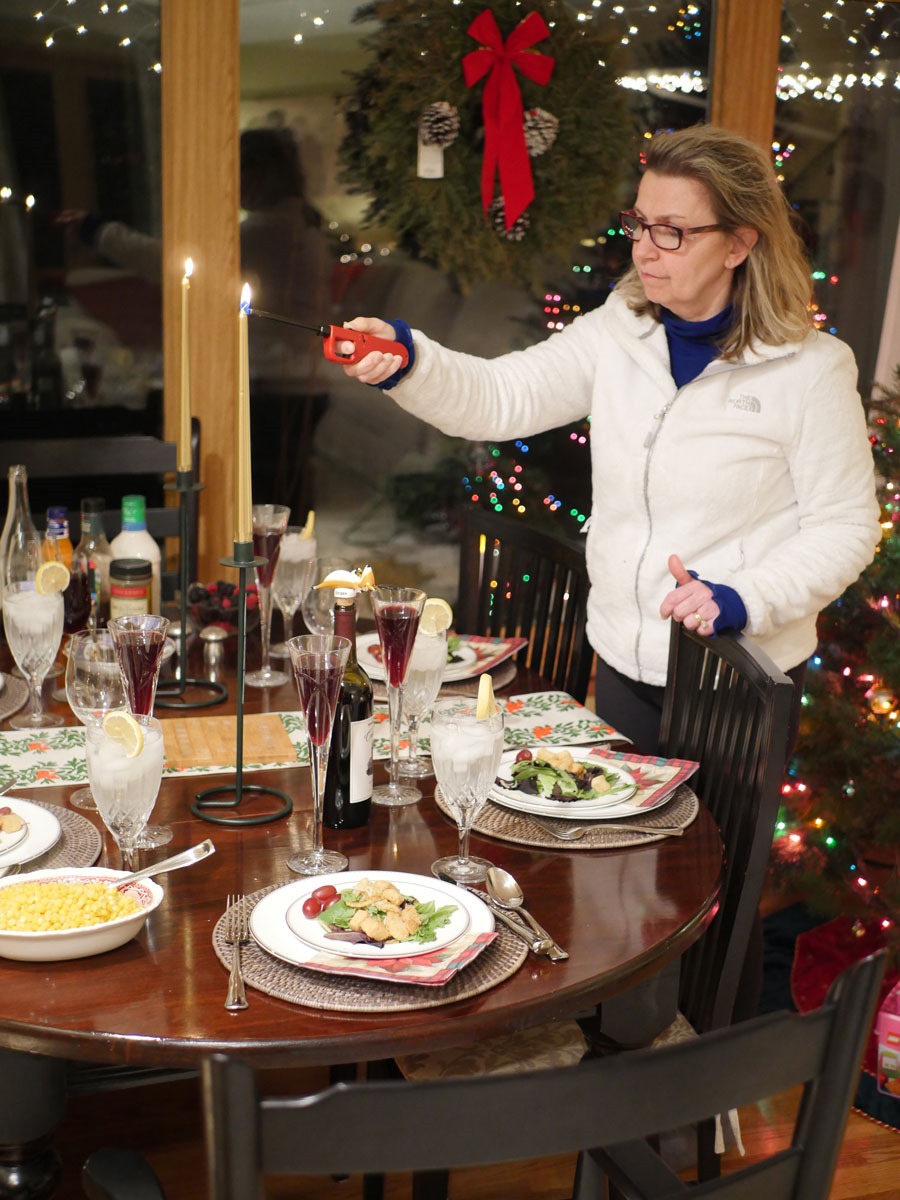


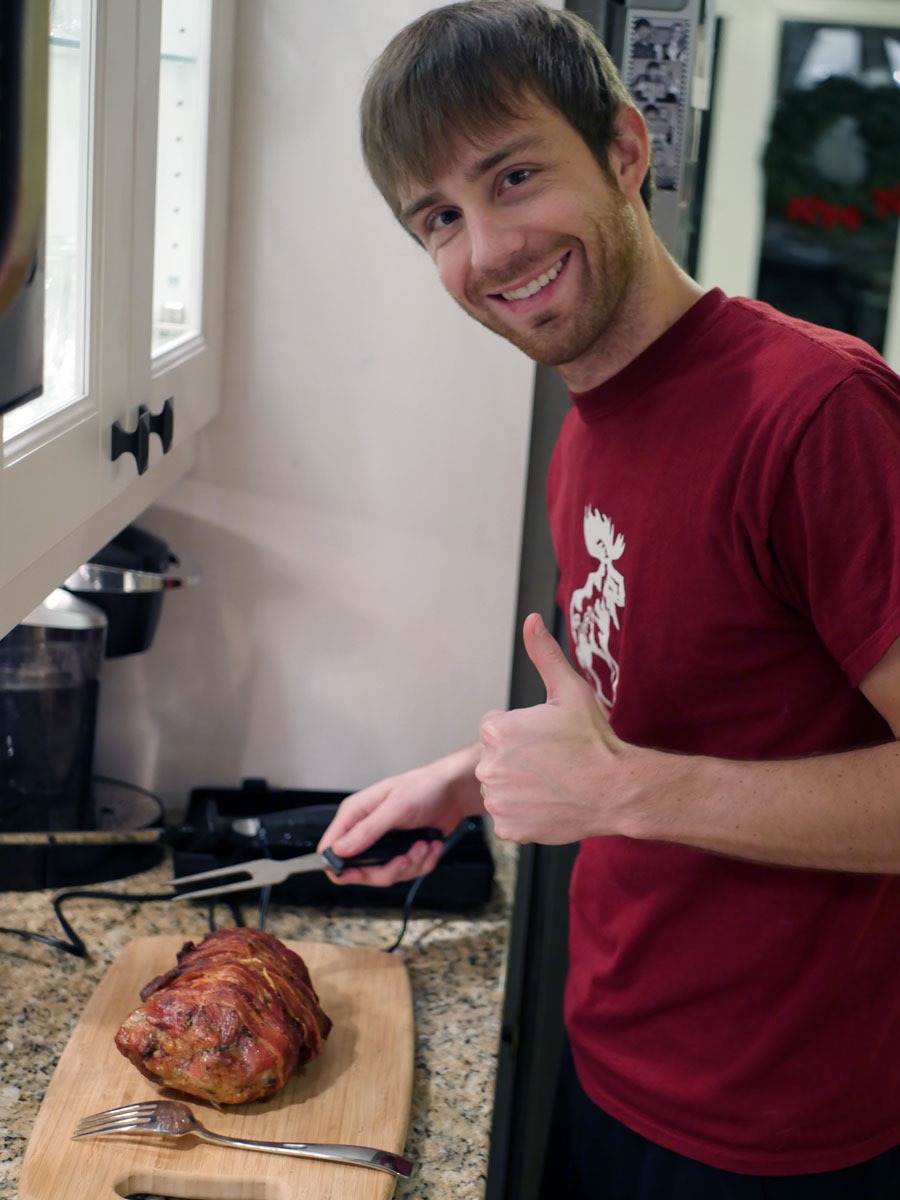

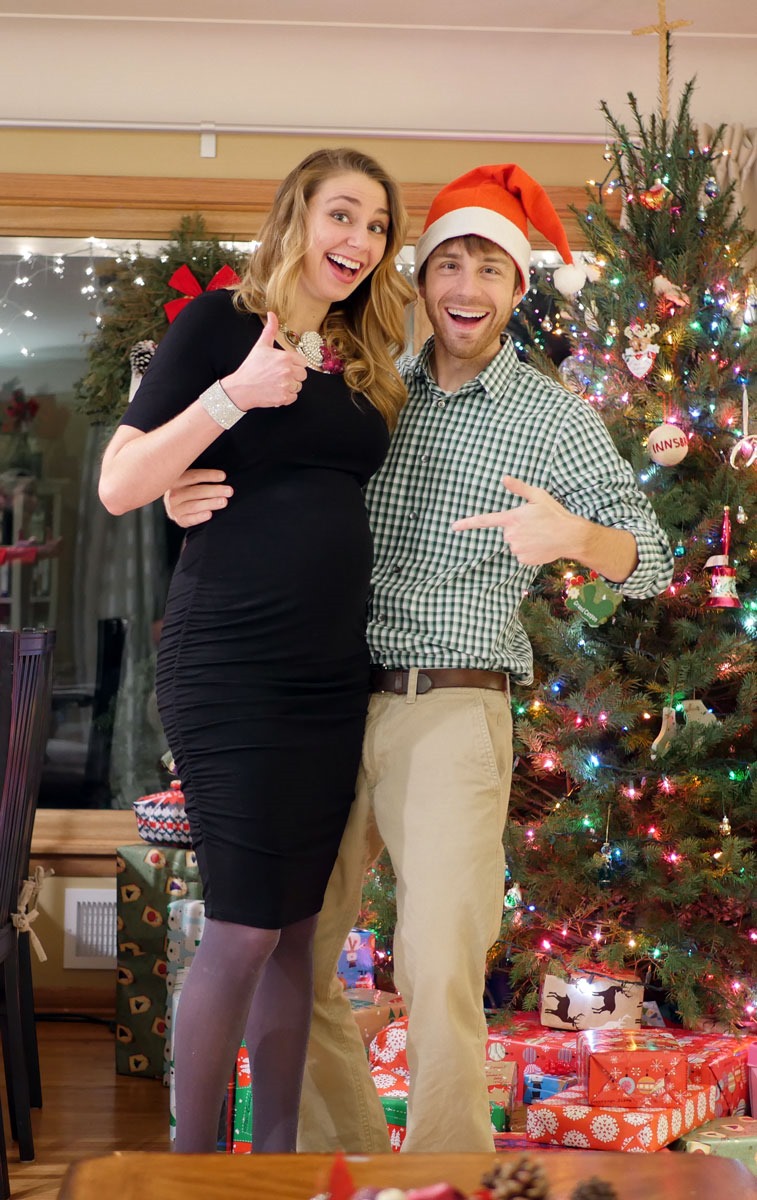
Photos from the new Lumix GX8 … although a bit more learning is going to be required. Also, I ran out of steam tonight … it is time for bed.
Out to Christmas Eve dinner in Wayzata Minnesota
Posted By RichC on December 26, 2016
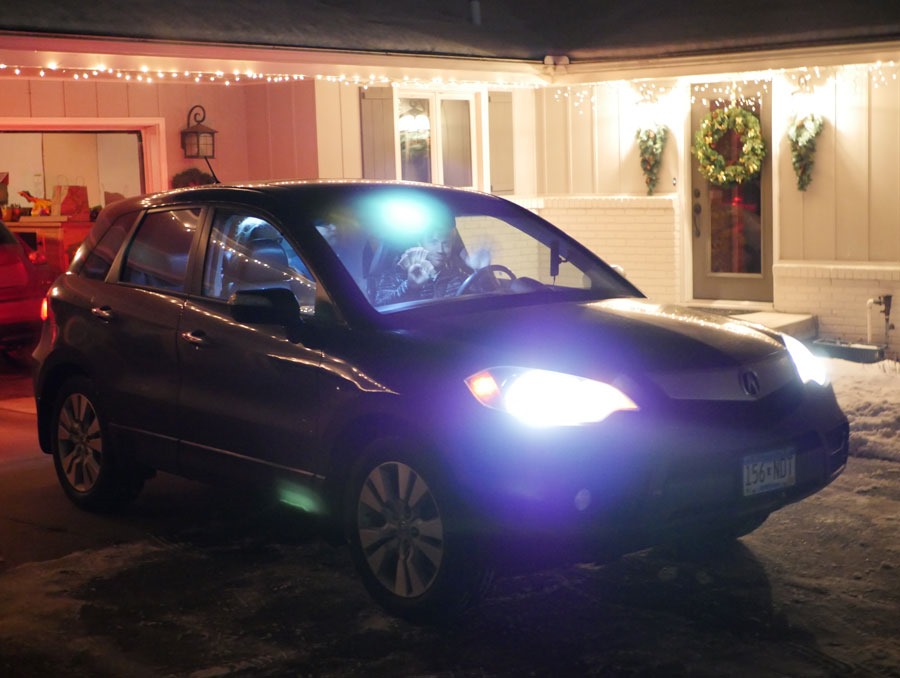 Adding a couple catch-up photos to the mix after driving the BMW X5 35d (26.1 mpg) up for a busy Christmas weekend with Katelyn, Drew and Taylor in Wayzata, Minnesota. We took Drew’s Acura RX out for a nice Christmas Eve dinner and am starting to realize Brenda and I are definitely looking older (and feeling — speak for yourself Brenda says) … but the dim lighting in the very nice Gianni’s Seafood & Steakhouse helped make the photo acceptable!
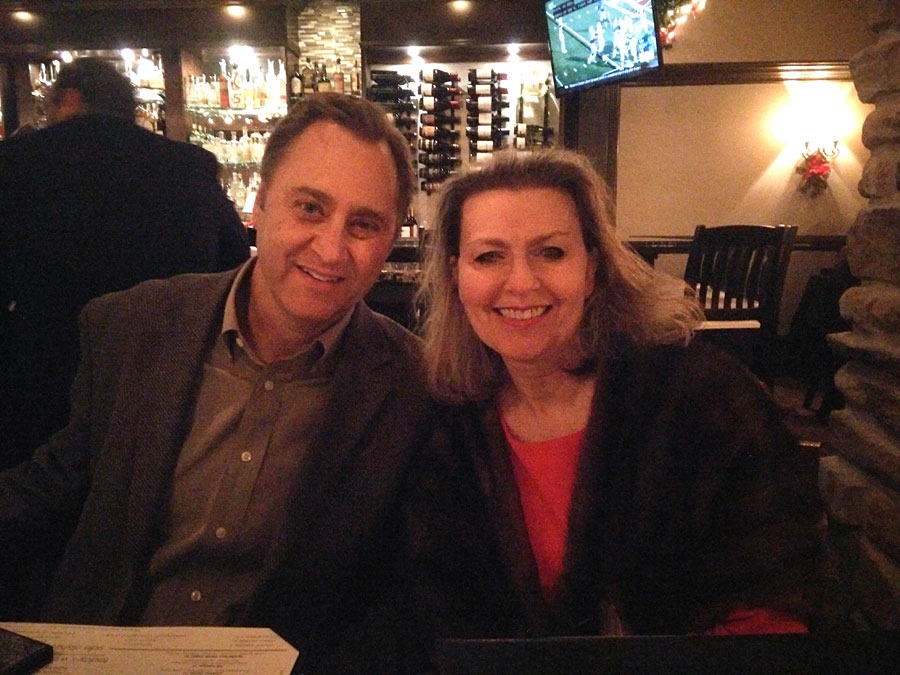
 (thanks for the photo Katelyn!)
Getting in the Christmas spirit. This is so very wrong —
Posted By RichC on December 25, 2016
Christmas morning is almost here so I need to get this out of my system before getting together with Drew and my “soon to be a mom” daughter Katelyn. For the record, this is not an example of good parenting!
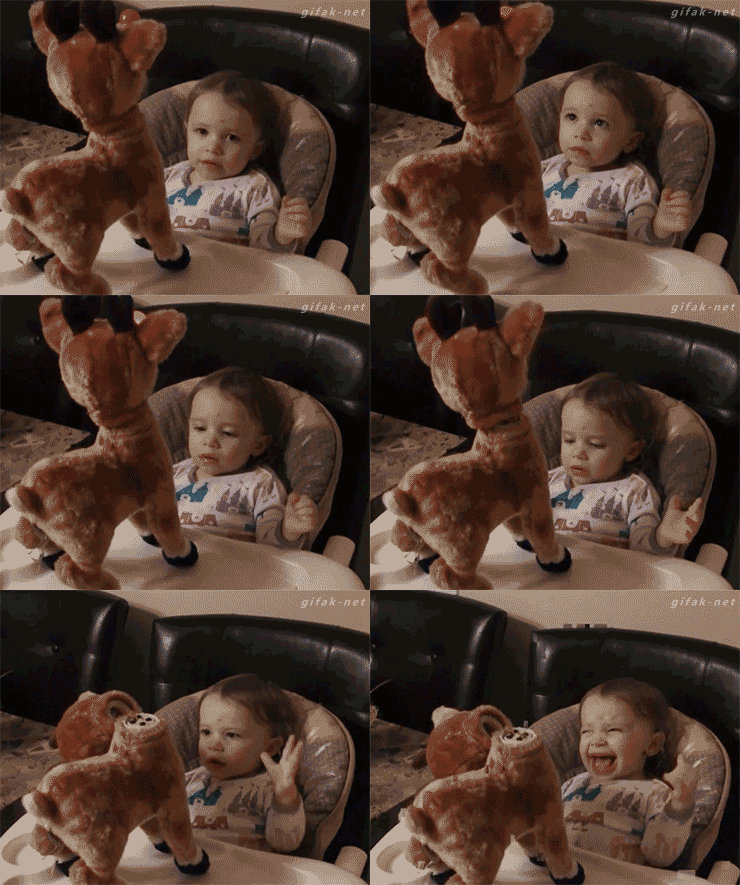 Who doesn’t remember Rudolph the Red Nose Reindeer?
Merry Christmas and God bless all of us on the good Earth
Posted By RichC on December 24, 2016
It still give me chills to hear astronaut Frank Borman close Apollo 8’s message on Christmas Eve in 1968: "God bless all of you – all of you on the good Earth" (below). It has been a tumultuous election this year for many in out country, but even with our strong disagreements, we Americans are so blessed to freely exchange our opinions and vote democratically for our leaders. As a United States, we have a promising future and need to do our best to take care of each other and our "good Earth."

The Apollo 8 Christmas Eve Broadcast
Apollo 8, the first manned mission to the Moon, entered lunar orbit on Christmas Eve, December 24, 1968. That evening, the astronauts; Commander Frank Borman, Command Module Pilot Jim Lovell, and Lunar Module Pilot William Anders did a live television broadcast from lunar orbit, in which they showed pictures of the Earth and Moon seen from Apollo 8. Lovell said, "The vast loneliness is awe-inspiring and it makes you realize just what you have back there on Earth." They ended the broadcast with the crew taking turns reading from the book of Genesis.
William Anders:
"For all the people on Earth the crew of Apollo 8 has a message we would like to send you".
"In the beginning God created the heaven and the earth.
And the earth was without form, and void; and darkness was upon the face of the deep.
And the Spirit of God moved upon the face of the waters. And God said, Let there be light: and there was light.
And God saw the light, that it was good: and God divided the light from the darkness."Jim Lovell:
"And God called the light Day, and the darkness he called Night. And the evening and the morning were the first day.
And God said, Let there be a firmament in the midst of the waters, and let it divide the waters from the waters.
And God made the firmament, and divided the waters which were under the firmament from the waters which were above the firmament: and it was so.
And God called the firmament Heaven. And the evening and the morning were the second day."Frank Borman:
"And God said, Let the waters under the heavens be gathered together unto one place, and let the dry land appear: and it was so.
And God called the dry land Earth; and the gathering together of the waters called he Seas: and God saw that it was good."Borman then added, "And from the crew of Apollo 8, we close with good night, good luck, a Merry Christmas, and God bless all of you – all of you on the good Earth."
Investing to and past DOW 20,000 under a President Trump
Posted By RichC on December 23, 2016
We still have a week of trading before closing the books on 2016, but those last few DJIA psychological points to 20,000 have proven evasive. Thursday’s 23 point decline, after the steady climb since the election, has a few gurus thinking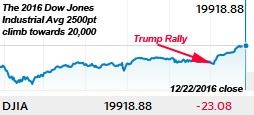 the Trump Rally may be ahead of itself? Some are looking at current corporate earnings and consumer spending with questions and are merely suggesting a pause … while others are seeing a much larger number under a President Trump helped by an agreeable congress. Most acknowledge that some serious change will happen in the first couple years of a Trump presidency and that a friendly, pro-business administration will be rolling back impediments to growth — all changes that are good for investors and business …unless trade policies also changed? A trade war will hurt everyone.
Consider this, the past eight years of President Obama’s anti-business policies pushed large domestic corporations who do business worldwide to sit on piles cash. They park it offshore paying no US corporate tax and continued to move production and even management overseas. Smaller entrepreneurs have had to fight big government’s chokehold which has forces many businesses to layoff, automate, resist hiring or close their doors all-together. All businesses have faced a new mountain of regulation during the past 8 years. Front and center was costly Obamacare, but the high corporate taxes and threat of even bigger government up until a surprise on November 8th has kept the economy from really expanding. With change in the air, it is easy to see why smart money sees improving corporate profits and a better environment for business to expand. These are positive signs for the economy and for investors in the U.S. … that is until "normal" capitalistic pressure of higher wages, inflationary concerns and healthy competition tamps back growth potential.
All in all … it is not a time to bet against business and the U.S. economy, even at a time of huge deficits, a $20 Trillion debt, an underfunded social security program and so much unrest around the world.
Online contact forms are not always what they seem
Posted By RichC on December 22, 2016
Speed kills … and being rushed can make people do stupid things, that would be me in this case. I was in a hurry to get a HVAC replacement estimate after scavengering parts off of one furnace to keep the other running — both need to be replaced.
 While researching gas furnaces and air conditioner replacements, I checked with Consumer Reports for a list of the most reliable brands. Since American Standard and Trane were at the top of their list (along with our current 21 year old Bryant equipment), I started the HVAC dealer search in our area by brand. Finding a couple companies with recognizable names, I called a couple and left a message and for the other I filled out the online form without thinking. “Hm, this is a professional looking site for a small contractor … and look, they do other things too?” That last statement should have been enough for me to resist offering up my email, address and cellphone number!
Within minutes, my phone started to receive multi-part automated text messages as well as phone calls from the marketing arms (hired guns) of different companies … some with area codes all over the country. Emails too with the “do not respond to this email address directly” request, but instructions to click the link and fill out yet another online form. Am I the only one who doesn’t plan on using ANY company marketing in this way?
Eventually I was able to connect with the company RenovationExperts.com who hosts the original offending site and they said they could removed “my request” from their database (so they say), but that the contact information had already been sent to they subscribing contractors. To make matters worse, the calls are coming in offering services other than what I was even looking for.
Lesson (again): Don’t give out private information unless you are 100% sure it is going only to the person you intend to received it … and even then, be sure they do not resell or give that information out to others. (BTW, normally I’ll use a Google Voice phone number and return the call only if I wanted too … but as I said, I was in a hurry.)
Disgruntled Volkswagen TDI owner not happy with buyback
Posted By RichC on December 21, 2016
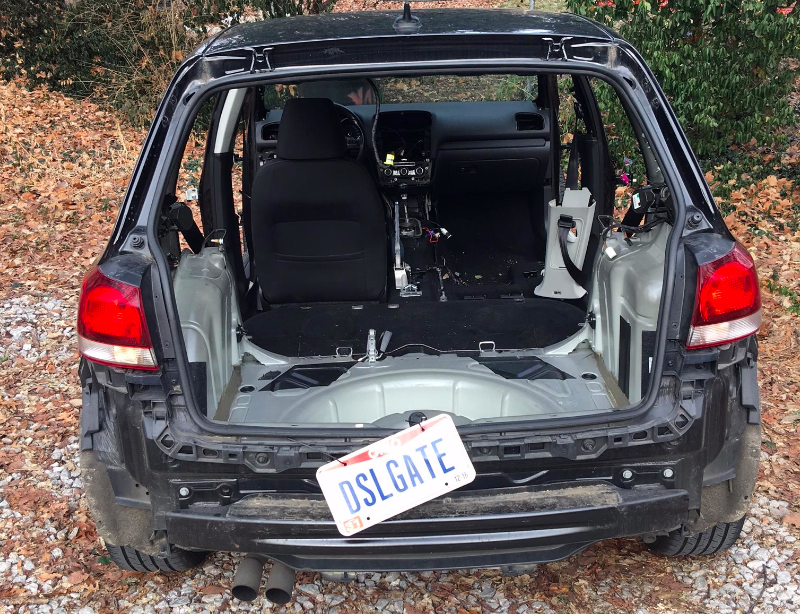
Now that Volkswagen TDI owners have to accept the performance debilitating modification or return in their diesel cars in for compensation as the settlement enters the "compensation phase." Some have been stripping parts off their cars prior to turning them in. Joe Mayer, in Cincinnati has take that a step further … and stripped "the car down to the bone, removing the doors, seats, hood, bumpers, hatch and a big portion of the interior. Just look at this naked carcass he’s selling back to VW!" says a Jalopnik.com article share on the CinciTDI Facebook page.
Here’s a rundown on the dieselgate scandal from ConsumerReports.org and what it means for VW TDI owners:
Guide to the Volkswagen Emissions Recall
An FAQ with everything you need to know about the VW ‘Dieselgate’
Volkswagen has admitted to circumventing the emissions control system in about 550,000 vehicles sold in the United States since 2008 with the 2.0-liter diesel engine. As many as 11 million vehicles worldwide may be affected.
This has resulted in a $14.7 billion settlement to compensate car owners and address environmental harm. Reflecting the severity of the emissions deception, this agreement is massive in breadth and scope.
The deal is tough, strong, and consumer-oriented. It is significantly bigger than the civil penalties paid by other automakers, namely the more than $2 billion General Motors has paid so far over faulty ignition switches and the $1.4 billion Toyota paid over acceleration issues, according to the New York Times.
In mid-September, 2015, the EPA issued a notice of violation to Volkswagen AG, Audi AG, and Volkswagen Group of America (collectively VW) for failure to comply with Clean Air Act regulations. In November, the EPA notified the automaker about violations found with its 3.0-liter V6 diesel engine, as well. In doing so, the agency determined that certain Audi, Porsche, and Volkswagen models have been emitting more pollutants than legally acceptable, leaving in their wake potential environmental and health implications.
Consumer Reports provided a historical diesel fuel-economy analysis to the EPA to help its ongoing investigation. By the end of November, Volkswagen told the EPA that the issues with the 3.0-liter V6 diesel engine impacts model years 2009 through 2016 and counts about 85,000 vehicles.
Since the initial announcement, investigators have worked to learn how the illegal strategy came about, while the EPA has sought to close loopholes and ferret out any other potential cheaters.
On the corporate side, executives have been terminated and shuffled, stock values have roller coastered, and hands were wrung. And finally, details are emerging about the tactical decision to willingly cheat the government, customers, and the environment, thanks in part to a multistate lawsuit.
Still, consumers have been left with many unanswered questions. This fluid situation promises ongoing drama and eventual recalls. Here’s what we know so far.
What Is the Concern About Volkswagen Emissions?
Federal clean-air standards are configured to become increasingly stringent over time, with clear steps when new, tighter requirements must be achieved for legal new-car sales.
The rules are in place to improve air quality for both long-term environmental and health benefits. Although the cited Volkswagen models can meet the standards in a laboratory test, thanks to a sophisticated software algorithm that distinguishes testing from real-world driving, these vehicles were found to emit nitrogen oxides (NOx) at up to 40 times the standard when driven normally.
NOx contributes to ground-level ozone and fine particulate matter. According to the EPA, “Exposure to these pollutants has been linked with a range of serious health effects, including increased asthma attacks and other respiratory illnesses that can be serious enough to send people to the hospital. Exposure to ozone and particulate matter have also been associated with premature death due to respiratory-related or cardiovascular-related effects. Children, the elderly, and people with pre-existing respiratory disease are particularly at risk for health effects of these pollutants.”
Did Skirting of the Emissions Rules Result in Better Fuel Economy and Performance?
It appears so. In response to the scandal, Consumer Reports conducted new testing of 2015 and 2011 Volkswagen TDI diesel vehicles in “cheat” mode to assess fuel economy and performance. We found a noticeable decline in fuel economy for both models. Our testing also showed reduced acceleration with the 2011 model, which is equipped with a lower-tech diesel filtration system.
What Is ‘Cheat Mode’?
One key factor in the emissions scandal is that the vehicles in question operate in two different modes: “on road” and “dyno.” But merely having two different modes isn’t a problem; many cars offer driver-selectable modes to enhance fuel efficiency or performance.
The Volkswagen and Audi diesel vehicles in question in the U.S. use an Engine Control Unit, or ECU, designed by Robert Bosch GmbH, a German multinational engineering and electronics company. In addition to the ECU, Bosch supplies other key components, such as the computers that control the braking and electronic stability control systems. This is where the dyno mode—also referred to as a test mode—comes into play. Volkswagen admitted to putting the cars in a special mode just for government emissions testing, then switching to an alternative programming for driving in the real world.
Emissions system and fuel economy testing is conducted while a vehicle is placed on a dynamometer—think of it as a two big rollers or a treadmill—rather than driving on the road. The vehicle has only its driving wheels rolling (the front ones, in the case of VW vehicles). But the rear tires are stationary.
The vehicle could otherwise interpret the test procedure as a dangerous situation or malfunction, activating traction control or stability control. By enabling a test mode, the vehicle will be able to operate during the test process. Once the test is complete and the car is restarted, the car reverts to its normal function.
The Bosch system (EDC 17) used by these models has the capability to run different algorithms to manage engine performance onboard and could alternate between those seamlessly. Other companies using similar hardware have employed this ability to enable the driver to adjust the car’s dynamic personality. But VW used this mode for other purposes.
How Does the Scandal Affect Current Owners?
For now, the cars are safe and legal to drive. No immediate action is needed by today’s drivers.
That said, the settlement approved Oct. 25 gives people who are ready to sell their cars back to VW an option to get their cars bought back, along with some extra cash for their troubles.
People who want to sell their diesels to VW will get restitution payments, plus the NADA clean trade-in value (the pricing reference used by most dealers) from Sept. 18, 2015—before the scandal broke. (You can find a table here giving a range of estimated settlement amounts.)
This deal is intended to be generous and slanted toward the consumer, in part to punish VW and deter other companies from thinking that cheating emissions laws is a viable option. Total settlement amounts should be the car’s former book value, plus $5,100 to $9,900 depending on mileage, features, and age.
The cash bonuses should make up for any concerns about the fairness of the trade-in value, and if you want to be done with your current VW, you should be able to buy a better car with the cash you get from the company.
VW dealers are also expected to offer some incentives if you want to turn all that cash into a new gasoline-powered Volkswagen.
Lease holders get a similar deal, with VW agreeing to take the cars back and terminate the leases. The cash payments will be about half of what VW owners get. (Again, there’s a table for this.)
For people who want to keep their cars, there will be a recall to bring the existing models up to regulations. The fix will likely be a software update for newer models. Pre-2015 cars are expected to need additional components installed—which may mean it takes longer to develop and deploy the solution.
VW has been having informal technical discussions with EPA and the California Air Resources Board (CARB) over potential fixes ever since the scandal broke. Regulators have rejected some of VW’s proposals. Still, as of October, no official recall repair has been approved. The agencies have 45 days to review anything VW proposes.
Owners of older models will have to wait a little longer to learn how those cars will be remedied, and how much any recall repair will affect fuel economy and performance. That’s the biggest fear among VW enthusiasts—that the fun-to-drive VWs will drink more fuel and lose some of their acceleration. Time and testing will tell.
Can I Still Buy a New Volkswagen Diesel?
Not from an Audi, Volkswagen, or Porsche dealership as a new or certified pre-owned model. Volkswagen issued a stop-sale on any models at dealerships, meaning, they are not available for purchase. Once an approved fix in put in place, it is expected that new diesel models will be imported. Due to the buyback program, it is expected that there will be an abundant supply of used models.
How Will VW Compensate Owners?
Owners of 2009-2015 2.0-liter, four-cylinder TDIs can have Volkswagen buy their cars back at the “clean trade-in value” established by National Automobile Dealers Association Used Car Guide pricing for TDIs in September 2015, before the scandal became public. Owners who choose to keep their cars will be able to have modifications made by dealerships free of charge, once a fix is approved by the EPA and the California Air Resources Board (CARB). In all cases, an additional cash compensation will be paid to owners—somewhere in the range of $5,500 to $9,900 depending on the model, mileage, and features of the vehicle.
Volkswagen of America hired Kenneth Feinberg, a prominent victim compensation attorney, to create and administer the claims program. Learn more at the official website.
The roll-out began with the judge’s approval Oct. 25. All buybacks, payments, and modifications must be completed by June 30, 2019. Consumers have until Sept. 1, 2018 to decide on whether to choose a buyback versus a repair.
In addition, VW launched a "goodwill" program in 2015 that offered affected diesel-car owners owners with a combination of a $500 pre-paid Visa card, $500 in dealership credit, and three additional years of roadside assistance. Initially offered to just 2.0L TDI owners, the goodwill was extended to 2009-2016 Touareg TDI owners, as well. The registration period for this program has ended.
How Much Will I Get From a Buyback?
The values that will determine the buyback price of a 2009-2015 TDI are based on the estimated value prior to Sept. 18, 2015. They depend on the particular model, year, body style, mileage, location, and certain options, like a power sunroof or navigation system. (Download a PDF detailing model-by-model buyback resale values and lease restitutions.)
What Else is VW Doing to Settle the Case?
The government requires that 85 percent of the nearly 475,000 affected TDIs to be fixed or removed from the road by June 30, 2019.
To make up for the environmental damage caused by the dirty diesels, VW is paying $2.7 billion to fund efforts to reduce nitrogen oxide emissions in areas with severe smog. It has also agreed to invest $2 billion in manufacturing, promoting and building infrastructure for electric vehicles.
The plan does not include the V6 diesels. In fact, California has rejected VW’s plan to fix the emissions-cheating 3.0L diesel vehicles. The federal and state investigations into the larger engines are ongoing. These vehicles are expected to be easier to fix, and it’s less likely that VW would agree to buy them back, given the number of high-priced luxury models in the group.
Further information, including official documents, can be found at: vwcourtsettlement.com.
Are States Pursuing Action Against VW?
Yes. The punishment for Volkswagen’s violation of emissions regulations continues, with new civil lawsuits filed by attorneys general for the states of New York, Massachusetts, and Maryland—collectively seeking more than $1 billion in damages. The allegations claim that responsibility for the scandal rises to the highest levels of VW’s leadership. This action should not affect the California case, which involved the Department of Justice, consumer-rights plaintiffs and regulatory agencies seeking restitution for consumers and the environment. (Learn more about what these lawsuits mean for VW and owners.)
When Will There Be a Recall?
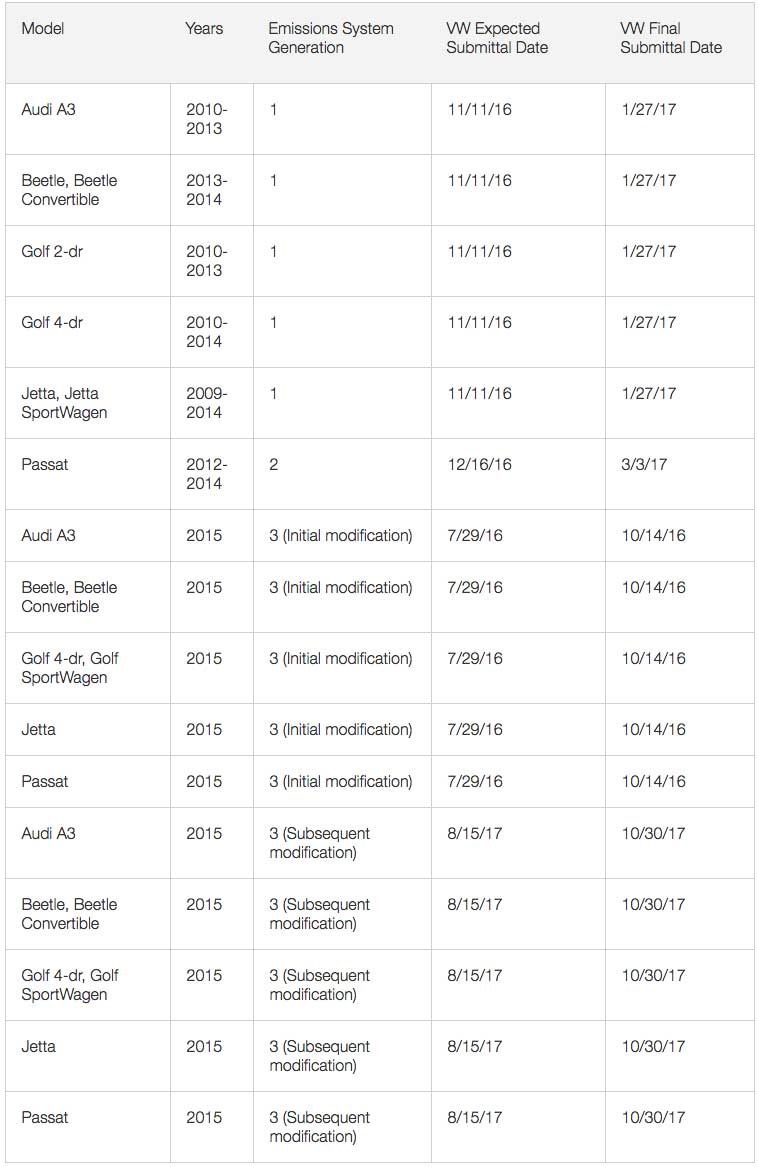
There’s a schedule for rolling out the fixes for vehicles broken down into four different groups. The settlement gives VW a Nov. 11 preliminary deadline to propose a fix for the largest group, known as Generation 1. That fix must be final by January 27. All buybacks, payments, and modifications must be completed by June 30, 2019.
When issued, the recall will come from Volkswagen, and the repairs will be performed at no cost to owners.
The EPA will validate the fixes to ensure they work, with an eye to potential compromises. Consumer Reports has three VW diesels in our test fleet, and once the recalls are performed, we will re-evaluate their fuel efficiency and performance.
Recall Fix Schedule
What is the Fix?
According to an Associated Press news report, the expected fix for the 2.0L engines communicated to dealers includes a computer software update and larger catalytic converter. Previous proposals for correcting 2.0L and 3.0L diesel engines were rejected.
What Is Consumer Reports’ Position on ‘Dieselgate’?
Volkswagen lied to us. Its 11 million "clean diesel" cars have been polluting the air at up to 40 times the federal standard for years.
Worse: It installed technology to hide the problem from emissions tests.
The company is being punished by the markets. But that doesn’t compensate either its customers or the rest of us, and it doesn’t stop this from happening again.
Consumer Reports’ President and CEO Marta L. Tellado, Ph.D., put it this way, "We need to make certain that the consequences for deceiving the public are severe, and that they bring justice to those who have been harmed." (Also read "Will Volkswagen’s Penalty Be High Enough?" by Tellado on CNN.com.)
Now that a settlement has been proposed…
“We’re pleased that VW owners and lessees have the option to choose what to do with their faulty cars, and will get significant cash compensation regardless of their choice,” said William Wallace, policy analyst for the policy and mobilization arm of Consumer Reports. “We are also glad that the settlement addresses the harmful environmental and dangerous air quality impacts from these faulty vehicles.”
Consumer Reports has put together a four point test by which to judge Volkswagen’s response.
How Do VW’s Actions Affect Consumer Reports’ Recommendations of VW and Audi?
Based on the EPA notice of violation against Volkswagen for circumventing emissions testing guidelines, Consumer Reports has suspended its “recommended” Rating of two tested VW vehicles: the Jetta diesel and Passat diesel. These recommendations will be suspended until Consumer Reports can re-test these vehicles with a recall repair performed. Once the emissions systems are functioning properly, we will assess whether the repair has adversely affected performance or fuel economy.
What Will the EPA Do Now?
The EPA announced it will conduct sample tests on all diesel passenger car models to be sold for the new model year. Plus, the agency will add new tests to detect so-called "defeat devices" that can bend the rules in an automaker’s favor, and has notified all manufacturers of the general changes to its test program.
The agency is actively collecting diesel cars from consumers and rental fleets to augment models culled from manufacturers. These cars will be put through a battery of tests.
The EPA says the investigation into Volkswagen’s actions is ongoing.
The EPA and the Department of Justice filed a civil complaint against Volkswagen (including Audi and Porsche) on January 4, 2016, that "alleges that nearly 600,000 diesel engine vehicles had illegal defeat devices installed that impair their emission control systems and cause emissions to exceed EPA’s standards, resulting in harmful air pollution."
Will My Volkswagen Fail Emissions Tests?
Not likely. Since no state uses a "roller test" on periodic emission/safety inspections, there’s no reason for a car to fail unless it developed an anecdotal problem. If a car is covered by an emissions warranty (differs by the state the car was originally sold in), VW will fix any related problem for free. For some states, after an actual recall has been issued, owners will have a time period, potentially a few months, to complete the recall. The car will not pass inspection unless recall work has been performed.
How Dirty Are the Volkswagen Cars?
The EPA estimated that the cheating VW diesels polluted at up to 40 times the emissions standards for nitrogen oxides—a pollutant connected with respiratory and cardiovascular symptoms and diseases.
However, that estimate was measured under maximum vehicle load and throttle. Under normal operating conditions, the emissions were more in the range of 10 to 20 times over the federal limit.
Wasn’t That False Advertising?
The Federal Trade Commission thought so. The FTC’s part of the federal case against Volkswagen Group of America, sought compensation for consumers who were deceived by the automaker’s “Clean Diesel” advertising as it cheated on government emissions tests. VW marketed the 550,000 diesel vehicles sold in the U.S. as environmentally friendly and placed a premium price on them.
Much of the $10 billion VW is paying to settle the case is being used to buy back cars from consumers who feel they were misled, as well as cash compensation on top of the fair market value of the cars.
The crux of the FTC enforcement action stated that, because of the emissions-defeat device, VW claims about low emissions, nitrogen oxides reductions, emissions compliance, eco-consciousness, and comparative resale value were false or deceptive. As a result, consumers didn’t get the benefit of the environmentally friendly car they thought they were purchasing, and resale values likely will fall.
How Do I Voice My Concerns?
There are multiple outlets, starting with the commenting feature below. Further, VW owners are encouraged to comment on Consumer Reports stories platform.
You also can send a letter to the company, and you can contact the EPA.
In addition, the government is accepting comments related to the settlement proposal until August 5th, 2016. Feedback can be provided by email pubcomment-ees.enrd@usdoj.gov or mail to Assistant Attorney General, U.S. DOJ—ENRD, P.O. Box 7611, Washington, D.C. 20044-7611.
http://www.consumerreports.org/cro/cars/guide-to-the-volkswagen-dieselgate-emissions-recall-

VW to Fix or Buy Back 80,000 Emissions-Cheating 3.0-L TDIs
Posted By RichC on December 20, 2016
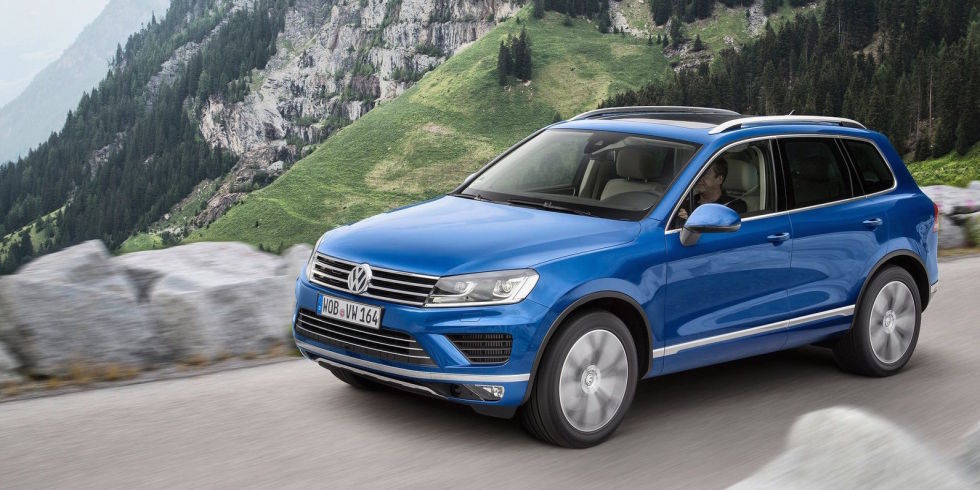
The vehicles affected include the Volkswagen Touareg, Audi Q7, and Porsche Cayenne Diesel.
Reuters reports that U.S. District Judge Charles Breyer said owners of the vehicles affected will receive “substantial compensation” for getting their cars fixed. German auto part supplier Robert Bosch, which allegedly colluded with VW to cheat emissions, will also settle with U.S. consumers.
The 80,000 vehicles equipped with the 3.0-liter TDI engine in question include the Volkswagen Touraeg, Audi Q7, and the Porsche Cayenne Diesel. This settlement comes nearly six months after Volkswagen agreed to a near-$15-billion settlement over U.S.-market cars sold with emissions-cheating 2.0-liter diesel engines.
VW first agreed to a settlement over its cheating 3.0-liter diesels last month, but the exact terms of the settlement weren’t yet finalized.
Bloomberg reports that VW will likely buy back 19,000 older models too complicated to repair, while offering fixes on the remaining 60,000 vehicles. VW is yet to finalize a fix for the affected cars, though it’s thought to consist of a simple software upgrade. The fix will need to be approved by U.S. government regulators before a recall can begin.
Source: VW Agrees to Fix or Buy Back 80,000 Emissions-Cheating 3.0-Liter TDIs
Scavenger from one furnace to keep another furnace going
Posted By RichC on December 20, 2016
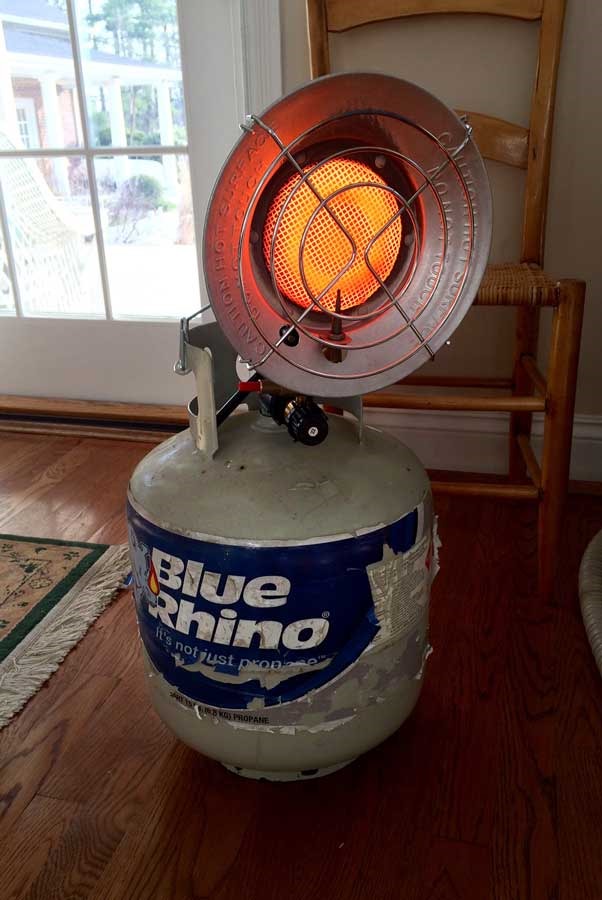 A chill is in the air, but likely that has more to do with our 21 year old 80,000 BTU furnace acting up. We have three furnaces so I’m hoping it is the "pressure switch" once again; it does seem to be the weak links on modern high-efficiency furnaces (or could be all furnaces for all I know?)
Since we have a second smaller Bryant 40,000 BTU basement furnace (already needs an expensive board), I’m going to Jerry Rig one furnace’s "pressure switch" by using the others, if my short circuiting trick works. In the meantime, in from the garage shop comes my knockoff "carbon monoxide producing Mr. Heater machine" and Blue Rhino tank of propane left over from my buddy Jeff’s old grill that I updated to a Natural Gas grill.
Important point to readers:
Only run a Mr. Heater or like in a well vented space with fresh air and even then for only short intervals (carbon monoxide poisoning).
Speaking of cold, our 14 degrees today is nothing like Katelyn, Drew and "Babygirl Oostra" are having in Minneapolis! Brr … I hope their furnace is tuned up.
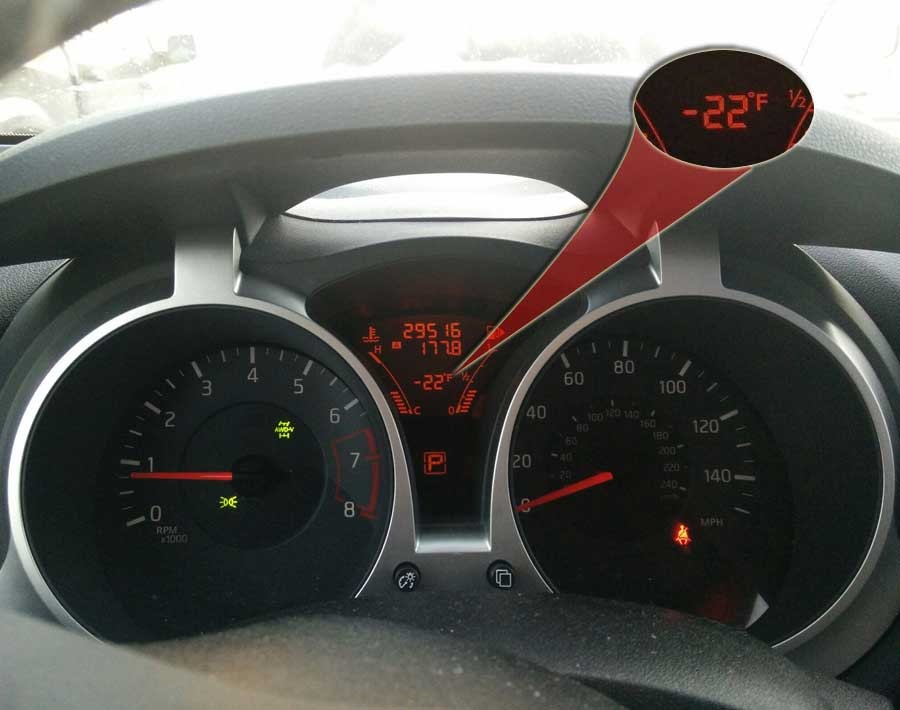
Katelyn sent me her Nissan Juke dash temperature gauge yesterday!
The eye of a good photographer and interest to apply the science
Posted By RichC on December 19, 2016
Admittedly I’m proud of my kids and enjoy seeing them living their lives … especially when a few of my interests rise to the top. In Taylor’s case, he has expand on our mutual interest in backpacking and photography on his trip to Hawaii last month.

Memory Road:
In 7th grade I had an interesting in photography (film, paper and chemistry) and friends of my parents gave me and old enlarger and some darkroom equipment. I quickly became engrossed in my new hobby setting up a makeshift darkroom in the basement of our old house on Lake Erie. By the time high school rolled around, I was taking photos for my high school paper and yearbook. We moved in my sophomore year so slipping into the roll of school photographer was a way for me to meet friends in a new school and a new city (Sidney, Ohio). I was fortune to also connect with a couple of the teachers (advisors) for the newspaper and yearbook which gave me a lot of extra freedom at school and press credentials for every sporting event.
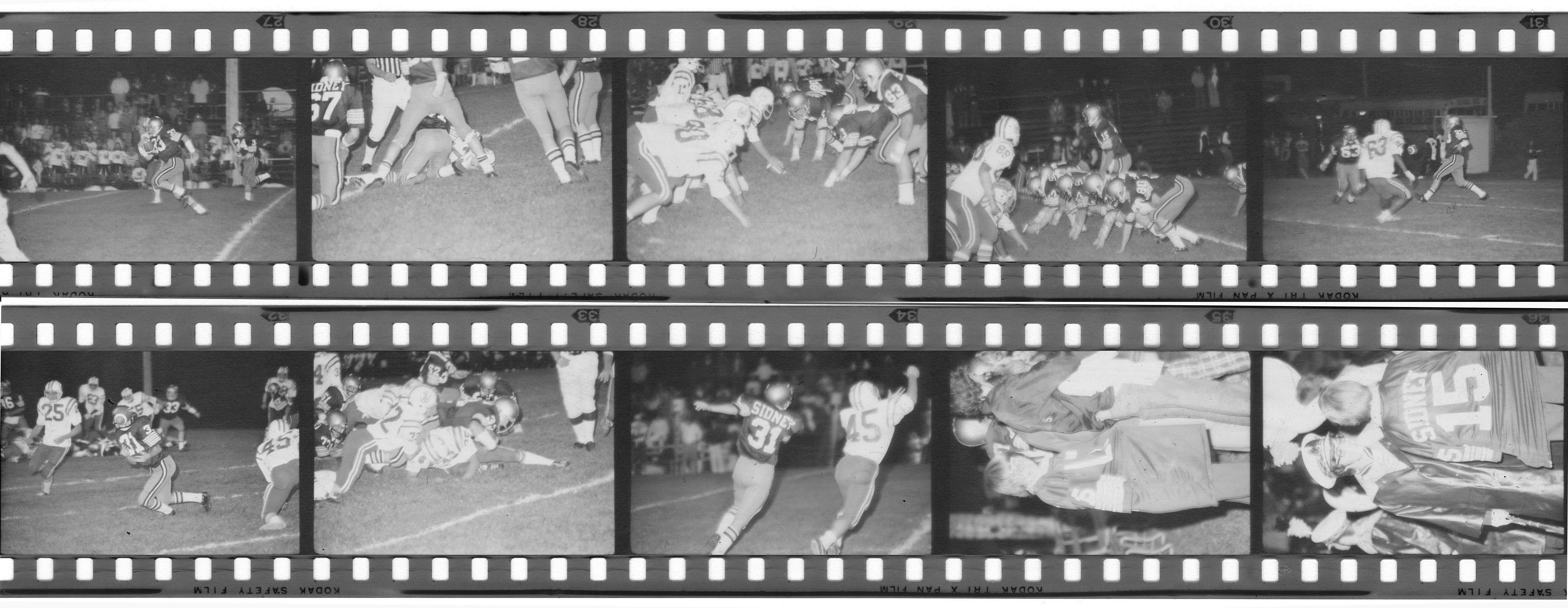
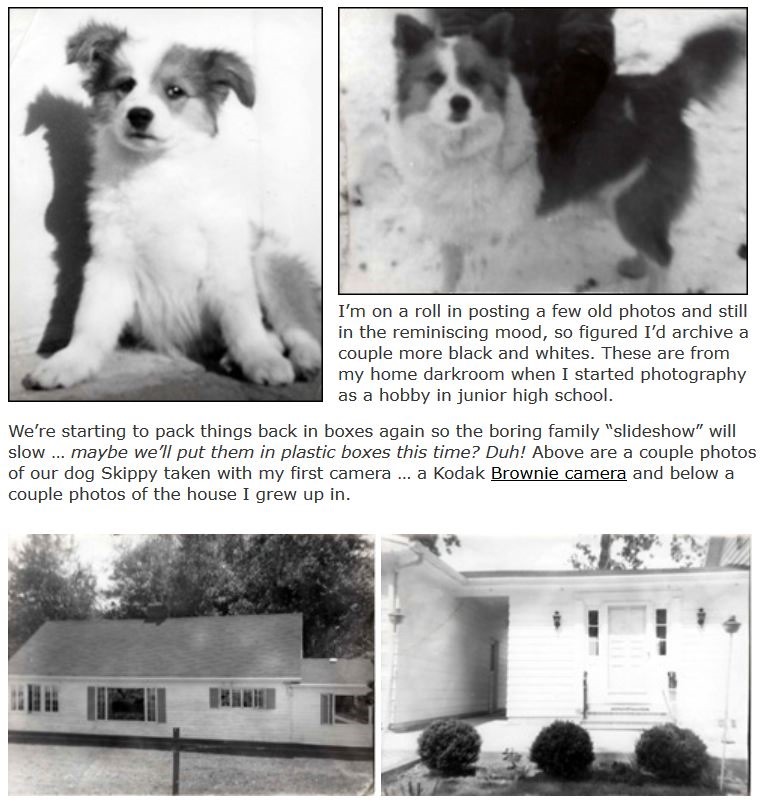 I applied for a photojournalism summer program at Ohio University during the summer of my Junior year in high school and enjoyed the eye opening and crazy atmosphere in Athens, Ohio in the mid-1970s, quite a "trip" – pun intended. By the time I graduated high school, I had pretty much burned out photography as a hobby and was only taking photos based on assignments for the local newspaper or to make a buck. Sad to have "burned out" at age 18!
Once at Ohio Northern University I hardly picked up a camera and drifted to other interests … that was until late in my Junior year when filling a few "easy ‘A’ electives" on my schedule had me enrolling in a Photography course. Quickly the professor (also the department head) realized I could make his job easier by having a "teacher’s assistant" that could add expertise. With his connections with a department head at Miami University … I was offered a TA position in Oxford, Ohio where I wrote a new curriculum and taught both a photography course and an introductory printing class (background working for the newspaper). The plus side is that I was paid enough to cover my rent and living expenses AND received free graduate school tuition … and Miami University was a big enough school to have computers which interested me. Helpful in my later career.
Eventually my "hobby" and education lead to working for publisher HBJ and then in purchasing and sales for the supply division of Knight Ridder Newspapers we started using modem connected computers at each of the 58 papers share "digital art" almost instantly (this was new in the early to mid 1980s). In 1987 this technology lead to founding Consolidated Printing and Publishing blending small computers (type and eventually pagesetting), pre-press darkroom and platemaking and well as the offset printing and bindery (minor claim to fame was digitally setting crossword puzzles on a Macintosh SE and Mac II Ci for the TVGuide. Prior it was done manually through paste-up). It was fun in those early growing days of variety … no burnout!
Where are you going with this Rich?
Well my point is that as much as children want independence and be different from their parents, they are part of you. The older they get, bits and pieces of you may show up in them. Taylor for instance loves sailing, backpacking and has the photographer’s eye … that artistic gift was not my talent. He is starting to show interest in the technical side which is something I might be able to teach him – the science behind light, a glass lens, focal length, aperture, shutter speed, ISO and film (or nowadays a sensor!); the science is my stronger suite … not the "arts and croissants" part. What’s positive for me is it has also re-ignited my interest in photography and is something as adults we can talk about (although communicating with Taylor, Katelyn or Drew is not something I find difficult at all … in fact it is ALWAYS enjoyable).