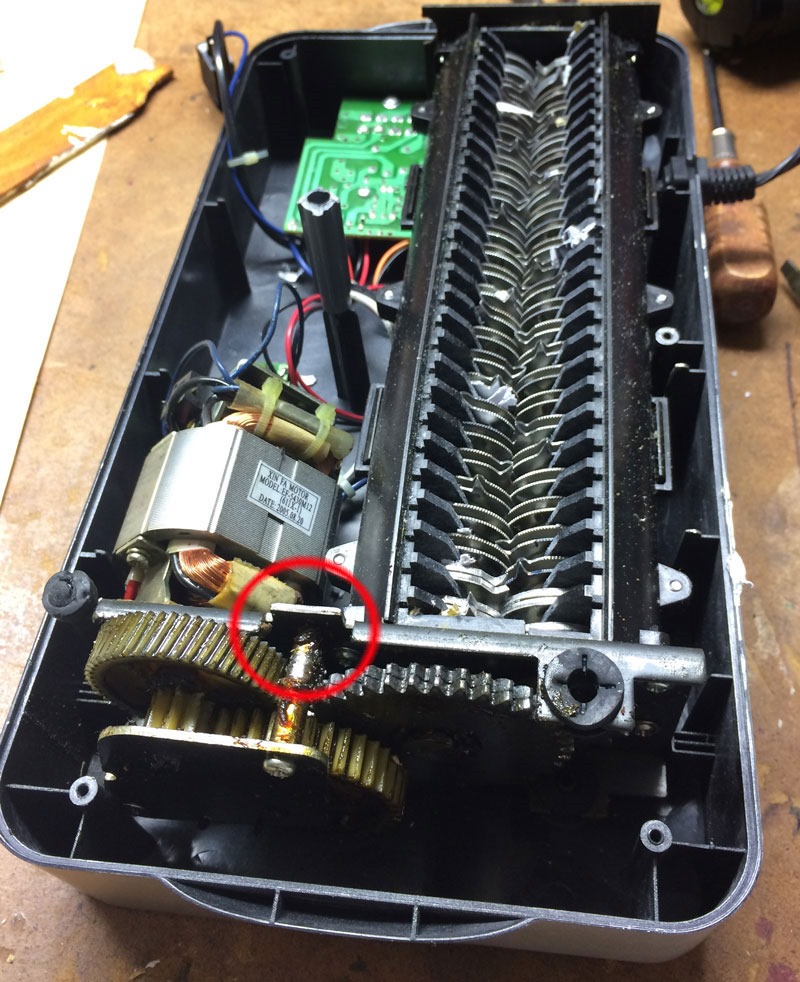
Just because it can be fixed (Jury/ Jerry Rigged) doesn’t mean it should be repaired?
The “old-ish” paper shredder in my home office is often over-fed with too many sheets of paper or plastic credit cards. It usually keeps right on chugging until it overheats, but last week it sputtered, ground the gears and stopped.
I almost decided to toss it and buy a new one thinking that 20 years of service was pretty good for a shredder, but instead put it on the workbench. While monkeying around on a few other projects this past weekend, curiosity got the best of me and after taking it apart, found the broken part. The pressure fit pin holding the gears in place had sheared and the gears jumped out of position. A little bending and it is spinning BUT the parts needs to be held in place. Weld, bracket, machine a new pin?
We're continuing to learn about the movement of Great White Sharks near the eastern U.S. and coasts since Ocerea has been tagging a few. It has been shocking to see the number of miles they travel and just how near these large sharks occasionall get to beaches and shallow waters.
John Dickinson and his wife were spear-fishing for cobia in about 130 feet of water near Jupiter, Fla., when a 16-foot great white caught his attention, WPTV reported. He wasted no time in capturing the sight on video, which he later posted to YouTube.
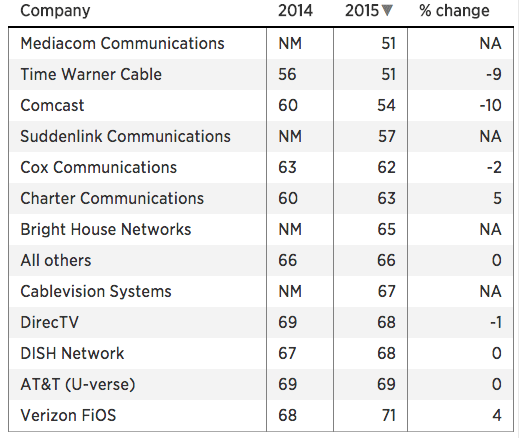
In a 2015 look at cable companies, very few customers are happy with their providers, in fact the report indicates a couple of the biggest have lost ground (chart below). Barely half of Mediacom Communications, Time Warner Cable and Comcast customers indicate that they are satisfied with service … and the latter two above have seen their survey ratings drop 10% in the past year. Only Charter Communications and Verizon FiOS have gained ground, although won’t be bragging about their satisfaction scores. All have plenty of room for improvement … but with little competition, where’s the incentive?
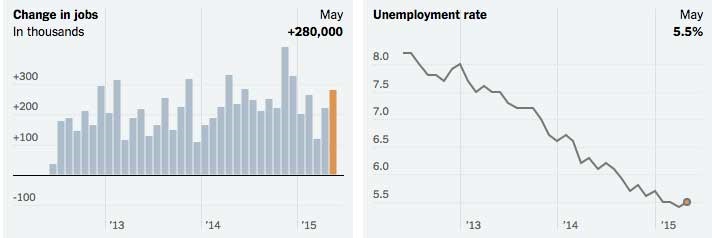
The jobs numbers were relatively positive considering the weak growth earlier this year, but still concerning in that the post-recession job growth is not was is normally expected after a recession. Still, one positive is that we are not facing inflation or seeing numbers that would indicate the U.S. is slipping back into a recession. Job grow was “good” not “great” and a 0.3% rise in hourly wage growth for private sector workers is promising.
“It’s a tale of two economies, the economy of the unskilled, and the economy of the semiskilled and the skilled.” – Robert A. Funk, Express Employment Professionals
Wall Street had a muted reaction when the numbers were released at 8:30AM after broad based weakness in stocks yesterday. Many wisely see the somewhat positive economic indicators a sign that the Federal Reserve may start tightening; most expect an autumn rate hike and almost all see U.S. interest rates rising in 2016.
For those times when the selfie stick just isn’t good enough, there is now a flying camera. Really.
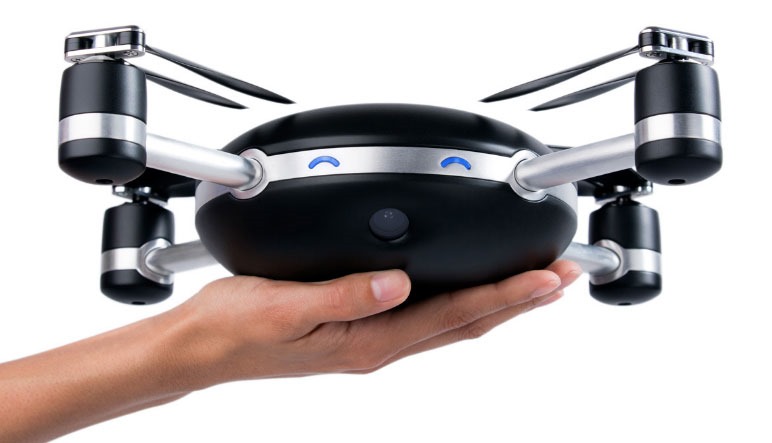
Called the world’s first throw-and-shoot camera, the Lily Camera was born in University of California, Berkeley’s robotics lab. Toss the device into the air, and its four propellers send it flying up to speeds of 25 miles per hour as it takes high-quality photos and videos.
Unlike other drones, the Lily Camera requires no controller as it follows the wearer’s bracelet. The camera follows the user via GPS tied to a bracelet, which communicates distance, position and speed back to the camera.
The company doesn’t like the word "drone," however.
We have a few of these crawdad fellows in our yard and small lake, but this guy was closer to lobster size (well not quite) and found his way into the swimming pool. As the 2006 Honda Element ad goes … “I pinch.”
It was a busy weekend as our family was in town to celebrate my nephew David and Rachel’s wedding just south of Cincinnati in Lakeside Park, Kentucky. The beautiful ceremony was held under a tent in the backyard of their home with close friends and family. Everything was artistic and couldn’t have been nicer.
One of the pluses to the happy times like weddings, is that we’re able to see most of our busy family. Katelyn and Taylor were with us (unfortunately Drew was on call and working in Minneapolis) and most of the cousins on Brenda’s side were able to be there as well. They all really enjoy being together and remember fondly the many times together growing up in a close family. What a great weekend.
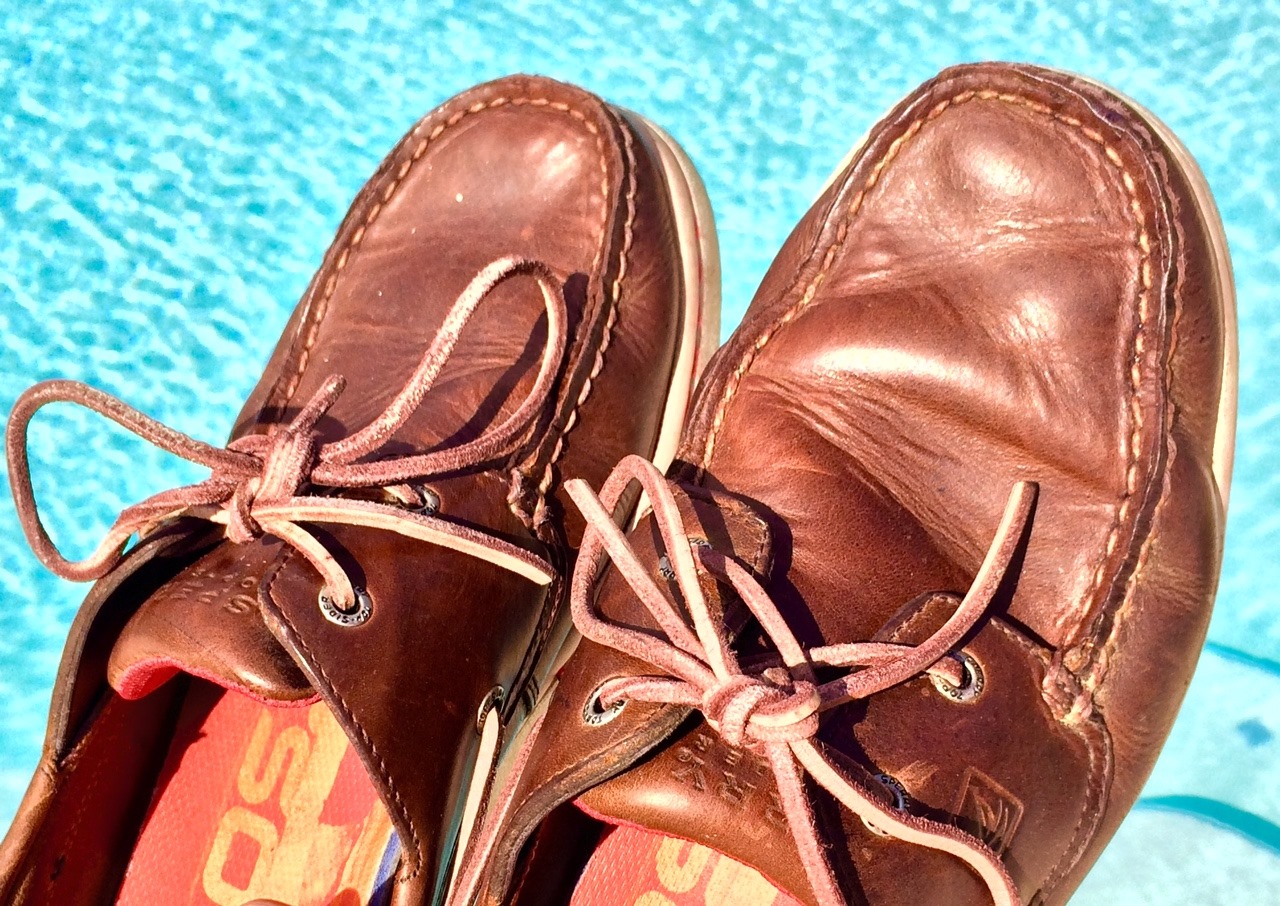
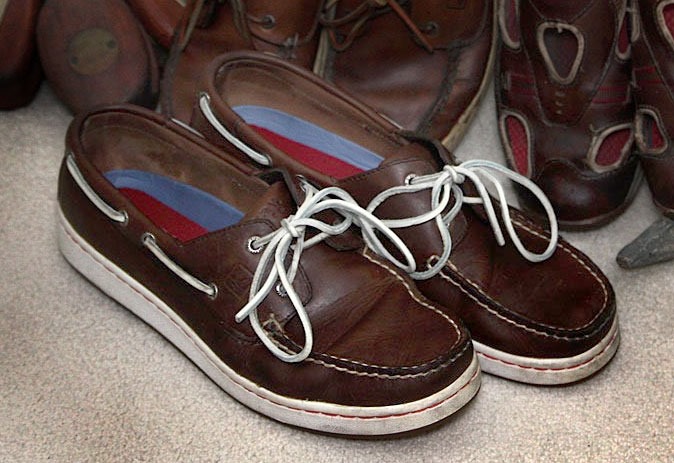
With summertime around the corner, it is time to update on what has almost become an annual boat shoe post (Post 1, 2, 3). Seasons aside, there really isn’t a time that isn’t right for Sperry Topsiders … in my opinion … but wearing a T-shirt, a pair of shorts and having warm weather makes wearing them an easy choice. They slip on fast, cover the toes, keep your heels in place and even keep your feet dry when walking in the morning dew … especially when they are waxed. Since most leather boat shoe wearers go sockless, a little attention to drying shoes, sweat and foot odor, insoles and leather care can help your shoe last longer and go the distance.
Five tips for your leather boat shoes
Clean your shoes with a soft brush to remove dirty and dust and keep them dry
Rub the leather with some “light” shoe polish or beeswax waterproofing
Consider resoling if the uppers are still in good shape … few shoes are as comfortable as the ones you’ve already broken in with your own foot.
Re-lace with new leather… easy to do. (I even wax or add a little polish before installing them – polished the white ones above when they were dirty)
The best for last: Add new/better insoles – my preferred brand is Sof Sole
If you’ve been watching the “easy money” policies from central banks around the world (following the U.S. Fed’s lead), you may being wondering just how much money can be infused by government without suffering an economic calamity?
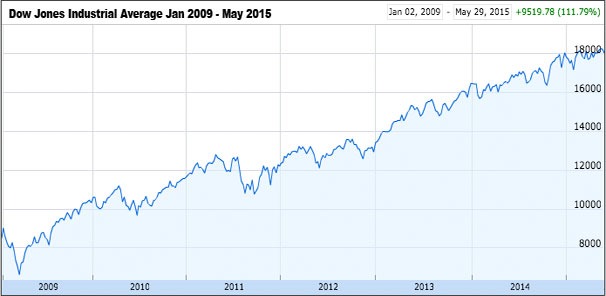
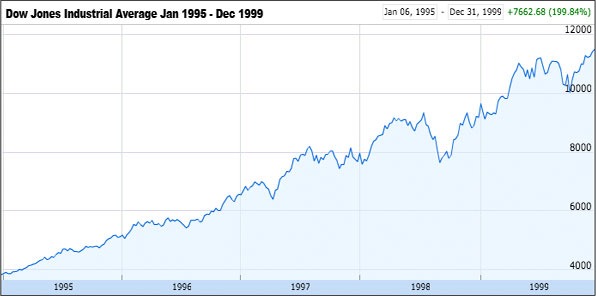
So far, those investors “borrowing” at low interest rates in order to participate heavily in the stock market have looked pretty smart. Their decision to leverage assets after the recession have been paying off handsomely. For those with something to leverage (those in the upper income brackets),“happy days are here again.”Who earning double-digit returns wants this party to end? Those doing well are hesitant to call a top for this bull market … but it would be wise to pay attention to history … I’m just sayin’. A quick look at “normal” market runs might take note of what can’t happen after a long fast climb (late 1990s and past 6 years are the two charts above followed by the 1922 – 1932 “story chart” to the left).
After World War I the manufacturing industry in the United States was on a roll. The 1920s was “roaring.” Investors couldn’t lose as a speculation bubble grew and every invested dollar grew. Over 500 manufacturing and trading companies in 1926 saw their net profits increase over 35%. A the 9 years of prosperity unknowingly neared an end, the stock market had increased ten-fold and in its final summer (1929) the Dow Jones gained more than 20%. President Herbert Hoover declared that “we in America today are nearer to the final triumph over poverty than ever before in the history of any land.” His campaign slogan in 1928 famously boasted “a chicken in every pot and a car in every garage.” People poured their savings into the market and even borrowed to invest. Before Black Tuesday, the Wall Street Crash of October of 1929, two out of every five dollars a bank loaned were used to purchase stocks ($8.5 Billion was on loan … more than the entire amount of U.S. currency in circulation at that time).
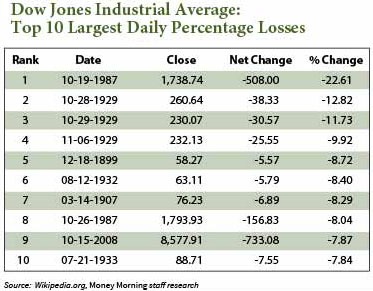
Why is this of concern? Well because 1929 wasn’t the only crash or “market correction.” Not ever downturn was uncontrolled and economists may have a few more tools in order to soften the blow (image right – a reminder that percentage wise 1929 was not a lone happening). Just when people start to think like Herbert Hoover (above) a surprise trigger starts the dominos toppling. It’s always painful for those who have their life saving and have leveraged assets to be heavily invested. Has the top been called? Only history will tell. One thing I do know is that America is living on borrowed money. We owe nearly $19 Trillion and have unfunded entitlement programs that will soon be needing even more money. Medicare, Social Security, Government Pensions and Obamacare are all being promised. Are any of them really solvent in an era of slow economic growth, underemployment and increased world economic competition?
 Just because it can be fixed (Jury/ Jerry Rigged) doesn’t mean it should be repaired?