Music Monday: Social unrest and the 1970s song Chevy Van
Posted By RichC on September 28, 2020
This content is restricted.
Posted By RichC on September 28, 2020
This content is restricted.
Posted By RichC on September 27, 2020
When bragging that my latest sewing cart project had zero cost in it, I held off until the end of the post to mention that I was spending money and would post about that on Sunday. Well here it is: I bought 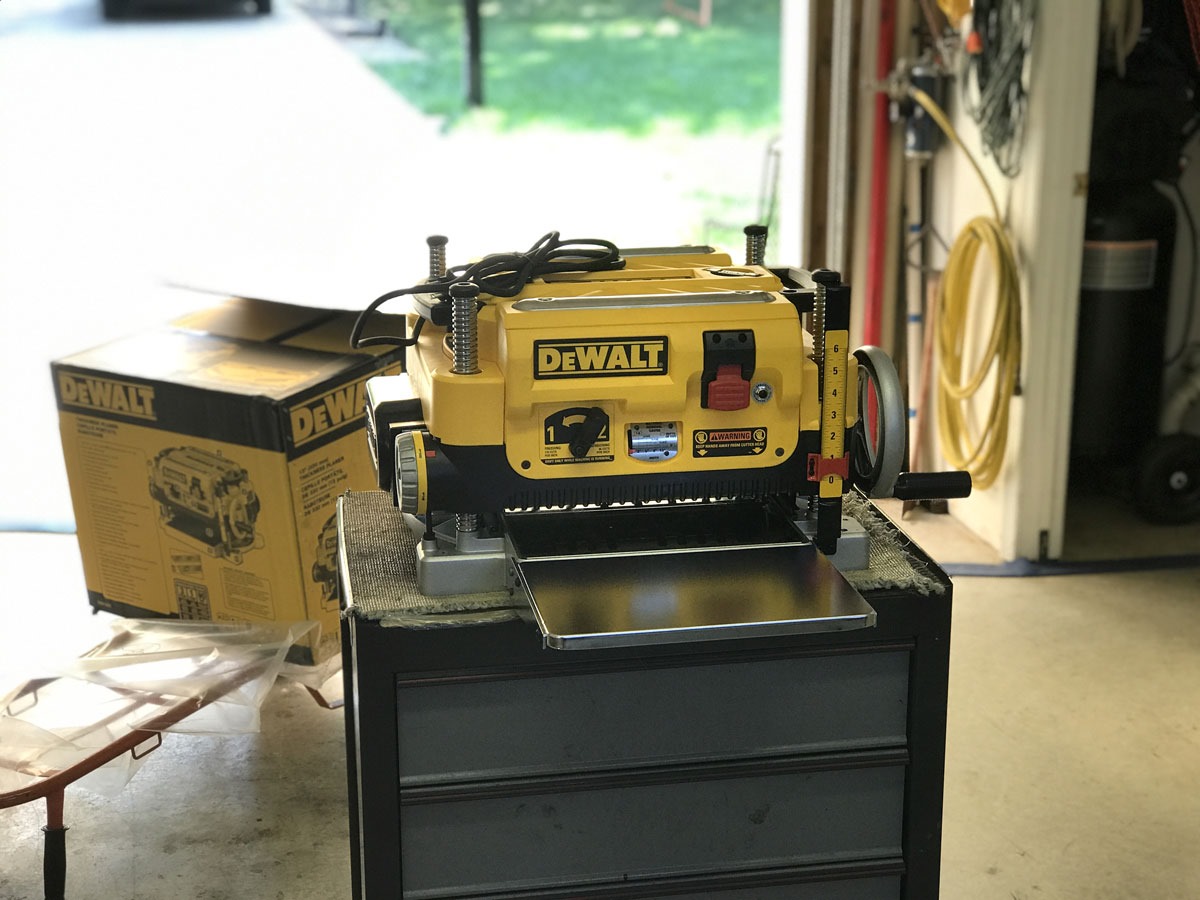 my first planer; it’s a semi-portable DeWalt DW735, with the “X” option (extra set of blades and infeed and outfeed flip-down tables).
I grew up and used large industrial planers in the past (before there were portables), but could never justify adding a planer or a jointer to my woodworking shop (continue to use a Makita portable 3-1/4” power planer). Besides a thickness planer being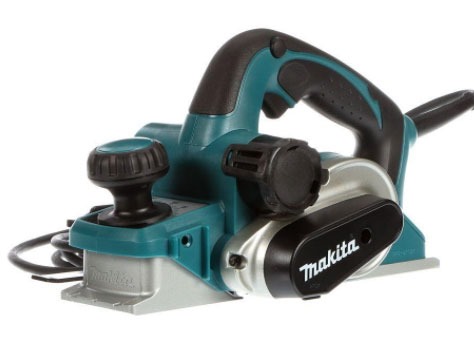 expensive, noisy, dusty and kind-of a pain to keep blades aligned and sharpened, they aren’t generally necessary if you’re buying dimensional material that has already been planed – it is what you find in big box stores (although rarely decent, always expensive and lacking in wood varieties).
A few things changed this for me:
Posted By RichC on September 26, 2020
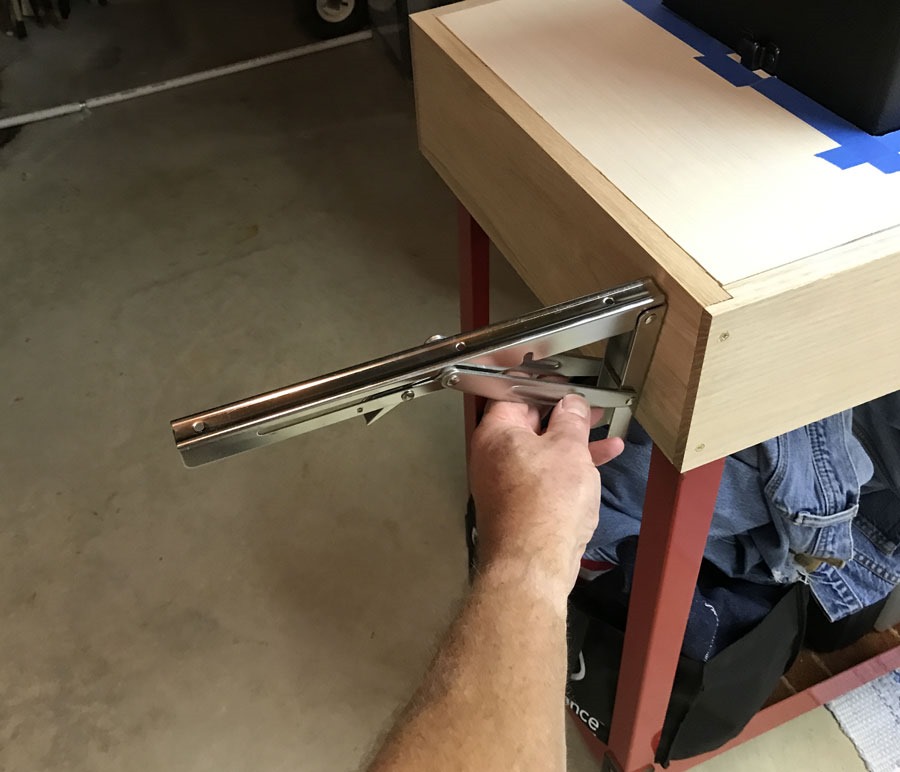
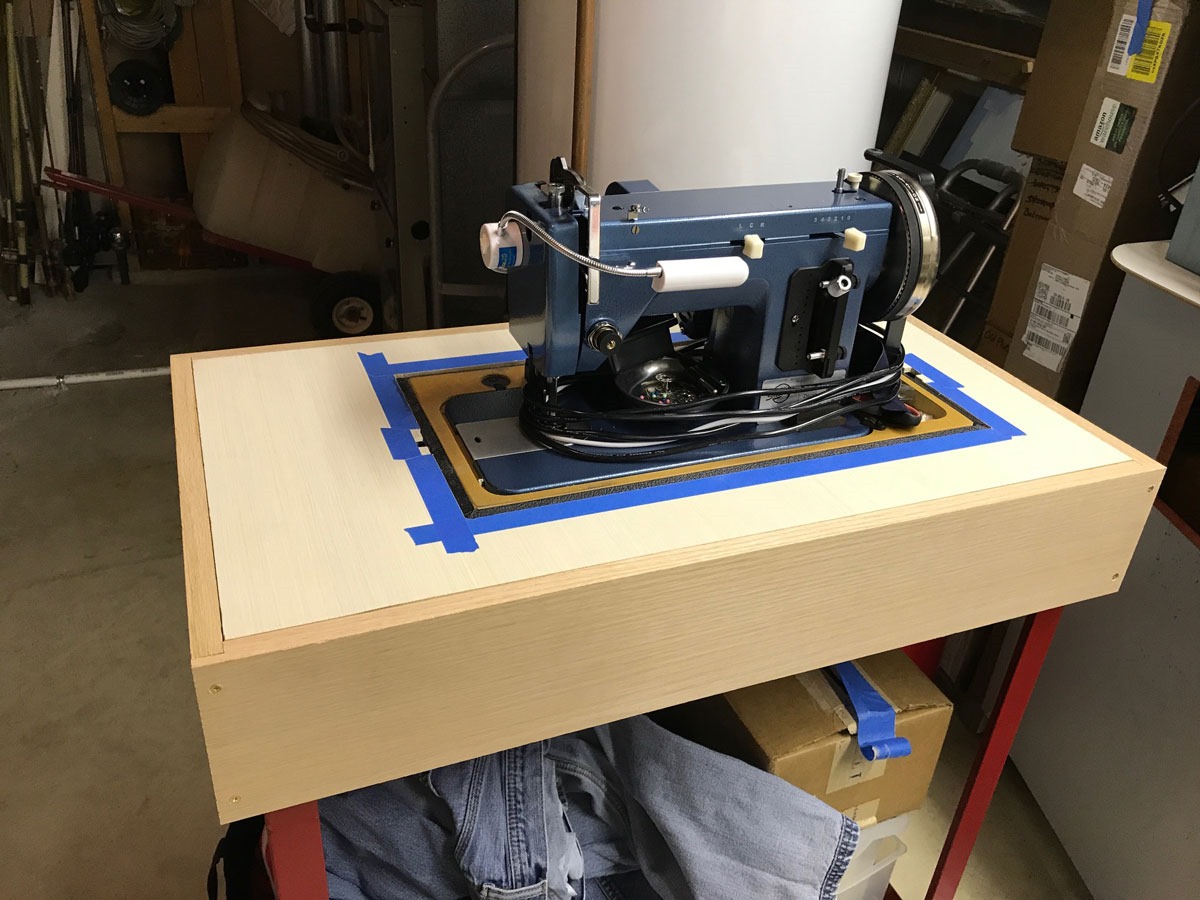
If you have ever used a heavy portable sewing machine, you know what a pain it is to haul it out of storage and set it up to make a simple repair. I don’t know how many times I’ve grumbled when Brenda wants me to set it on my workbench … or worse, haul it upstairs … so she can make a quick and easy stitch or two. Yes, it is nice to have something portable that can be moved around (repaired the pool cover in the backyard or for sailboat repairs in Florida), but now that our Sailrite LSZ-1 has an extra 7 lbs in the case due to the add-on Monster Wheel, it is an even heavier portable (and takes a bit of set-up each time). We have used it both with the bigger flywheel and without it on a couple of projects, but I am not convinced the extra weight and $125 is worth it?
Opinion aside … I’ve been thinking about creating a rolling sewing cart to house the Sailrite sewing machine and extra gear I’ve accumulated underneath and all in one place. The idea was not to lose the portability 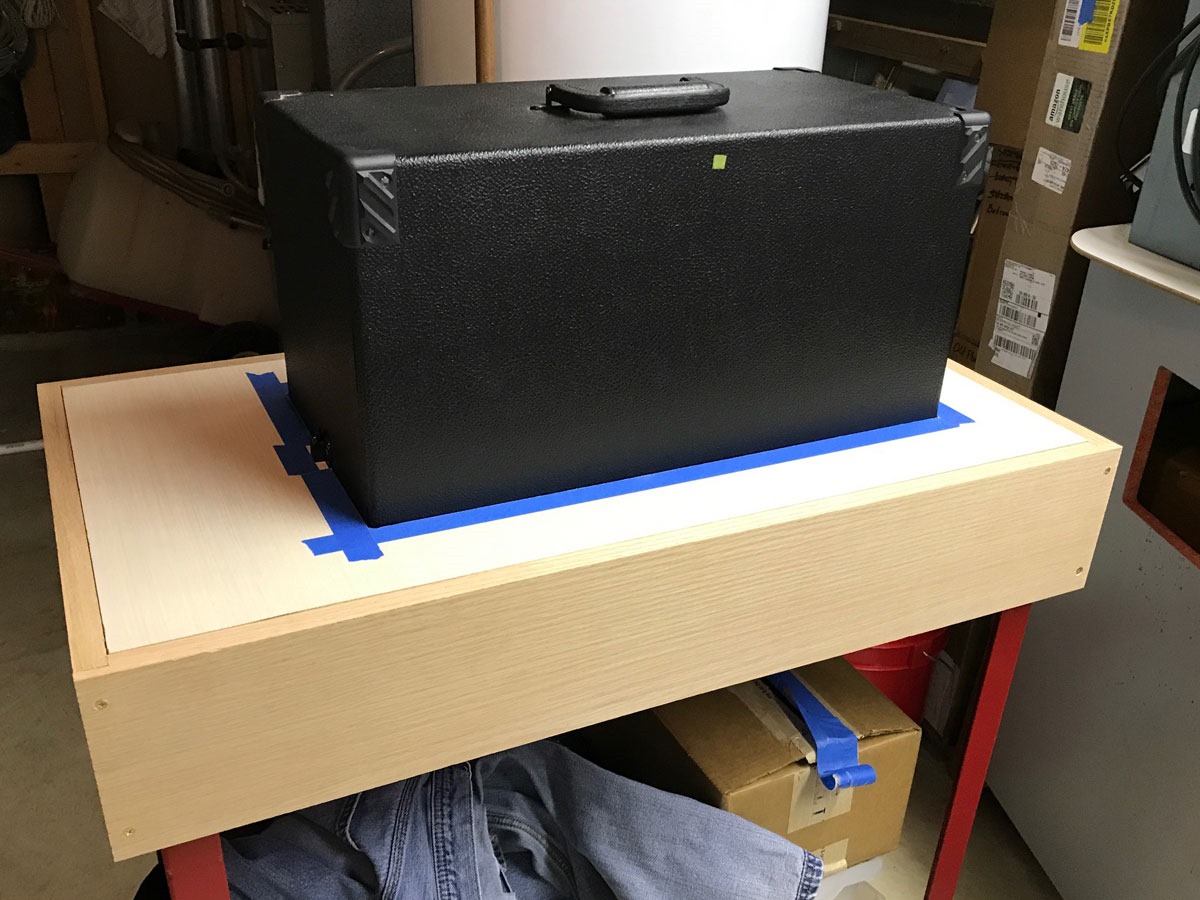 or actually remove it from the protective carrying case … but to have it “at the ready” whenever a project or repair arose. I didn’t want the table to be too large, but definitely wanted a little more working surface.
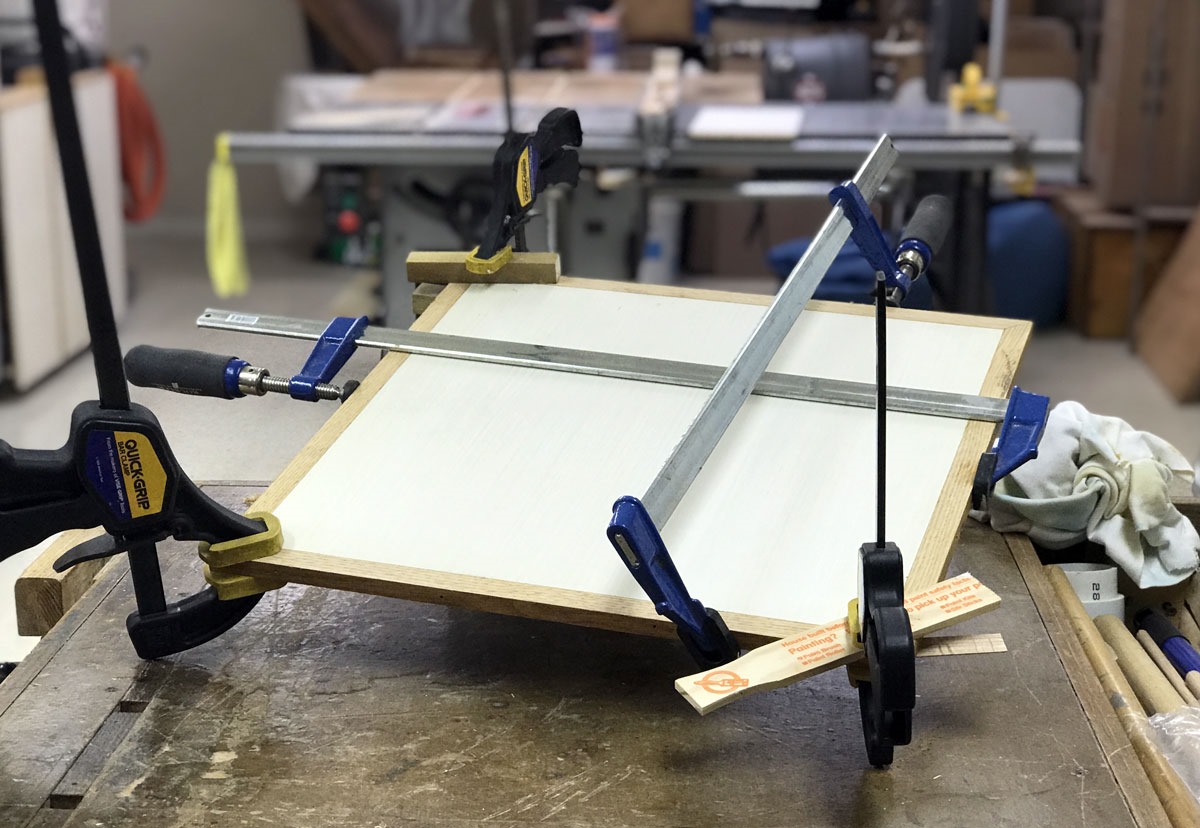
The plan is to utilize an existing cart that was in my dad’s workshop and held is grinder. The red metal cart was sturdy and has locking caster wheels and is about the right height with my normal workshop stool. The plan was to make an oak (had the wood) surround and create a drop in plywood top after cutting out and filing to fit the shape of the Sailrite case. I even nibbled around the latches so that the top of the case can be used to protect the sewing machine and keep the dust out.
The final piece was to use the hinged shelf supports that I bought for the laundry room. I “was” going to put a folding shelf/table on the wall to be used as some work surface area – we decided it wasn’t necessary and would end up just being an additional cluttered space. So far, so good and haven’t spent a dime, unlike tomorrow’s post.
Posted By RichC on September 25, 2020
Since I posted last year about the new Real ID regulations for domestic flying and travel, I figured it was appropriate to update the one-year reprieve.
Due to circumstances resulting from the COVID-19 pandemic and the national emergency declaration, the Department of Homeland Security, as directed by President Donald J. Trump, is extending the REAL ID enforcement deadline beyond the current October 1, 2020 deadline. I have determined that states require a twelve-month delay and that the new deadline for REAL ID enforcement is October 1, 2021. DHS will publish a notice of the new deadline in the Federal Register in the coming days.
NOTE: The published Federal Register notice can be found at https://www.govinfo.gov/content/pkg/FR-2020-04-27/pdf/2020-08481.pdf
Posted By RichC on September 24, 2020
We had our first taste of cooler fall weather for 2020 last week as the hot 80+ degree days of August and early September gave way to pleasant mid-to-high 70s  and cooler evenings dipping into the 40s. Brr, my body has not adjusted yet.
As autumn approaches and the temperatures are more tolerable in the garage, it has me struggling with what to do about the brakes on the 1958 Packard Hawk. The additional cost of upgrading the brakes to disks in front (mentioned the Turner Brake conversion kit previously) plus having to switch from stock 14” wheels to 15” wheels plus new tires has me rethinking my strategy. The problem is that if I don’t to it this go around, I’ll need to do a full brake job (drums) anyway and then still likely need new tires before driving it on the road or even selling it. Yikes … first time I said that out loud.
The whole BIG DOLLARS in servicing had me remembering the costs involved with maintaining our luxurious 1987 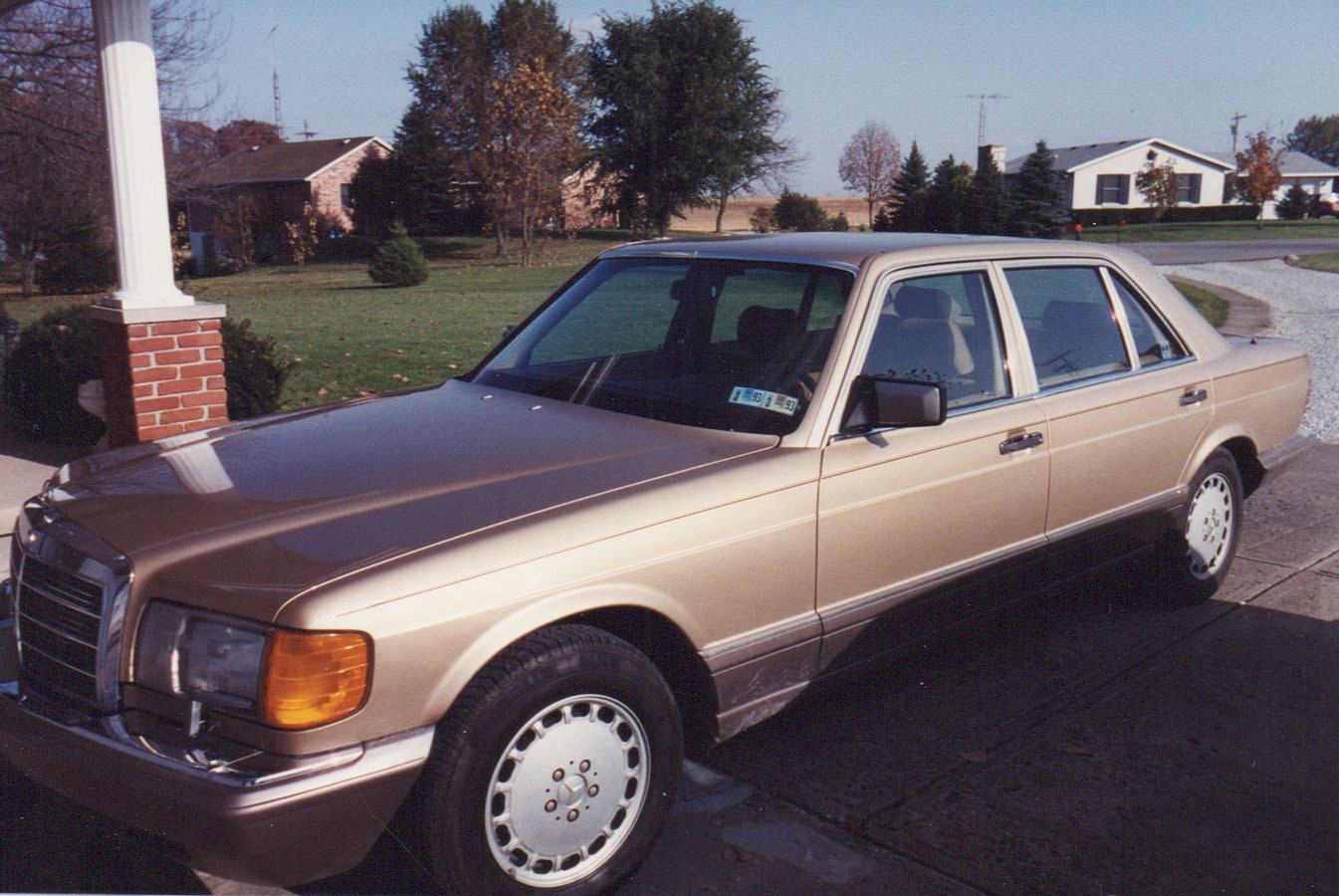 Mercedes Benz 560 SEL after buying it ‘right’ at an estate sale (I had been searching for a W123 diesel like my 300D Turbodiesel when this beauty crossed my path. I bid low and ended up with the car). Anyway, the autumn photo above of Katelyn, Brenda and Taylor in the early 1990s showcases the beautiful lines and one below from my mom and dad’s house was dated 1992. It was a great road car for the 10 years we owned it, but expensive to fuel (premium) and own (genuine MB parts), especially when trying to keep the “dealer stamps” up to date.
All in all, the car makes for good memories for Throwback Thursday #TBT post.
Posted By RichC on September 23, 2020
The weather has been just perfect for evenings in the garage or outside, so it is a good time to be checking off a couple of to-do list items – it was enjoyable.

Although I’ve been slightly overdue for an oil change, the Ravenol oil I have been using is high quality synthetic oil so I’m not too worried about excessive wear on my 2010 BMW X5 35d SUV. Being a diesel, the oil always looks dirty, but the expensive full synthetic European diesel oils tend retain their properties for a long, long time. This go around I’ve opted for Rowe brand 5W-30 full synthetic European diesel oil. It came highly recommended and was a bit less expensive and sold by a Volkswagen vendor from the TDIClub - IDparts.
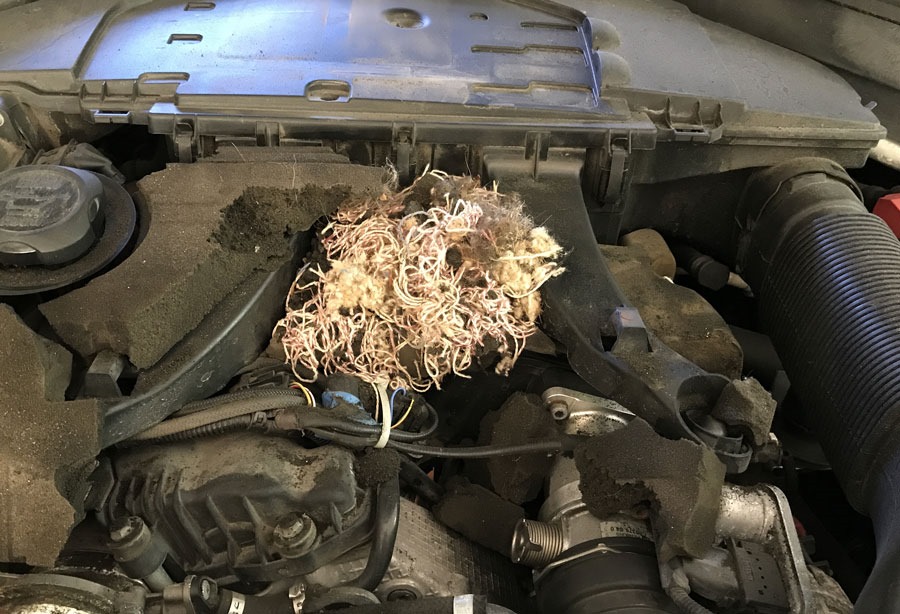
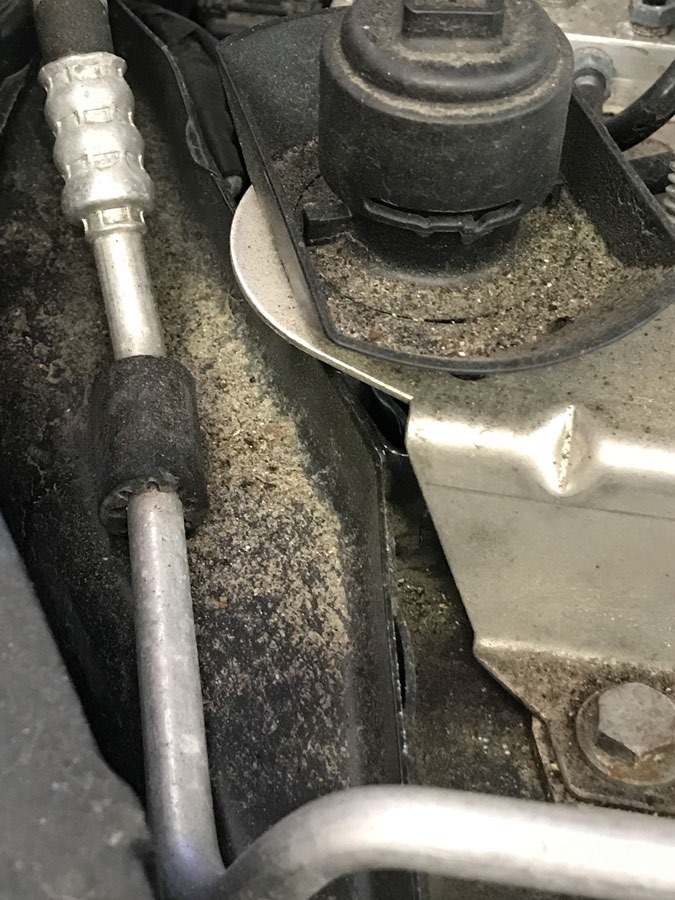
Unfortunately … once under the hood, there were a couple of unusual additions. First, a mouse (assuming) decided to added a nest to a warm spot under the plastic engine cover. Thankfully there wasn’t any nipped hoses or wires … just the largest under the hood rats nest I’ve ever seen. How in the world could this have happened on my regular driver?
Another concern is for the amount of gritty sand accumulating under the hood. I don’t even recall parking or driving in such a debris storm of sand? I used the vacuum and some compressed air to clean things up a bit, but yikes … and I was under the hood working a few months ago in May???
No the front license plate on my car doesn’t say “Trump 2020” … it was just a way of blurring the license plate – #photoshopped (although I’m unsure why we do it?)
Posted By RichC on September 22, 2020
This content is restricted.
Posted By RichC on September 21, 2020
This content is restricted.
Posted By RichC on September 20, 2020
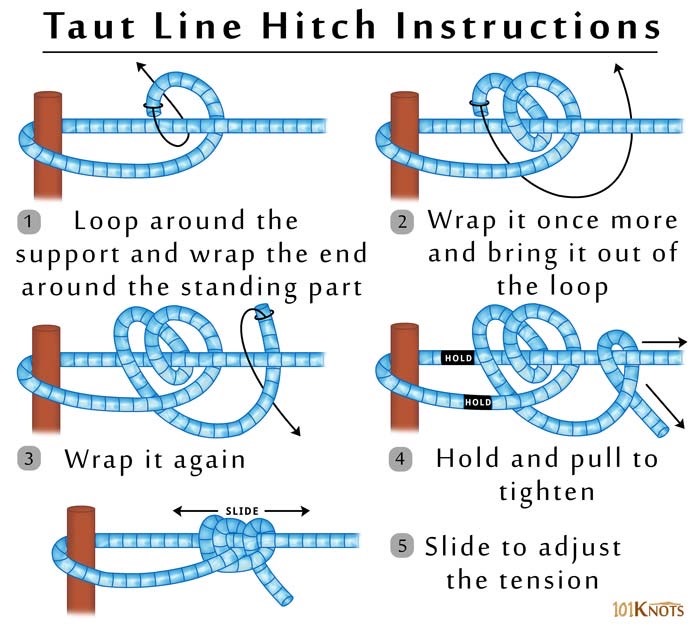
 Most people who enjoy sailing and undertake the sport/activity as a hobby, also enjoy learning how to handle the many sheets and lines (ropes) that are used aboard a sailboat. I’ve been sailing off and on my entire life and find myself relying on a few knots that I’m confident about. Oh, I also enjoy learning new and better knots and line handling techniques, but they all take practice.
Here are a couple from 101knots.com I’m adding to my “want-to-use-more” list … and it is going to take a little discipline to shift away from my old ways.

Posted By RichC on September 19, 2020
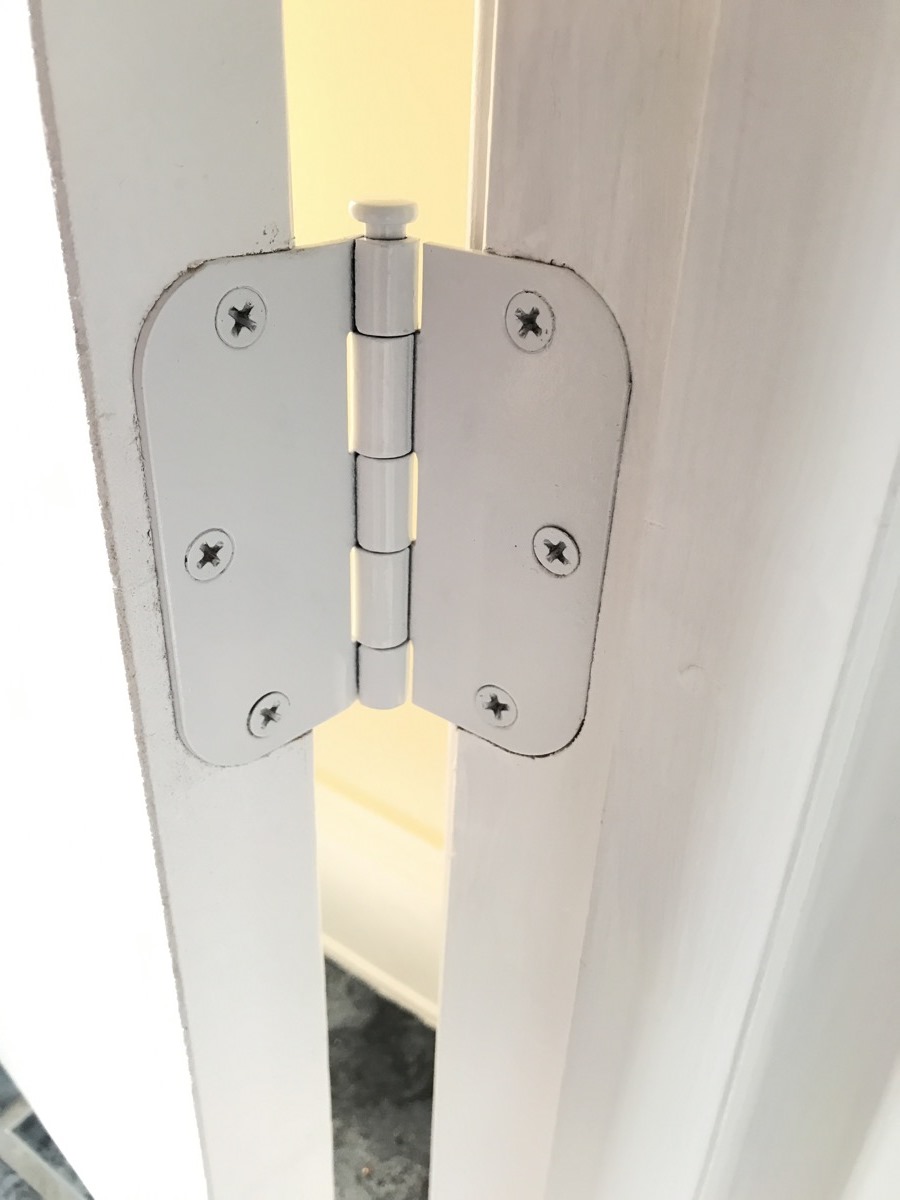 It has taken me most of the second half of the summer, but I’m finally finishing the poolhouse changing room … more work than I thought. The damage done by Katelyn’s “late” pet rabbit Pumpy Umpy was significant enough to require lower drywall (greenboard) and all new casing and baseboard trim. Part of my slowdown was the heat of the summer use … but most of it was me just moving from project to project.
This past week I worked on the rusted hinges and screws. Each brass-look hinge was taken off, wire brushed, then cleaned up on my Scotch-Brite wheel. After some Zine-Chromate priming, I added a couple thin coats of Rustoleum brand white gloss paint and did the same for all the once brass looking screw heads. This is a slow process and my wife asked me, “why didn’t you just buy new?” My answer, because they won’t fit the doors and frames.