Posted By RichC on March 23, 2022
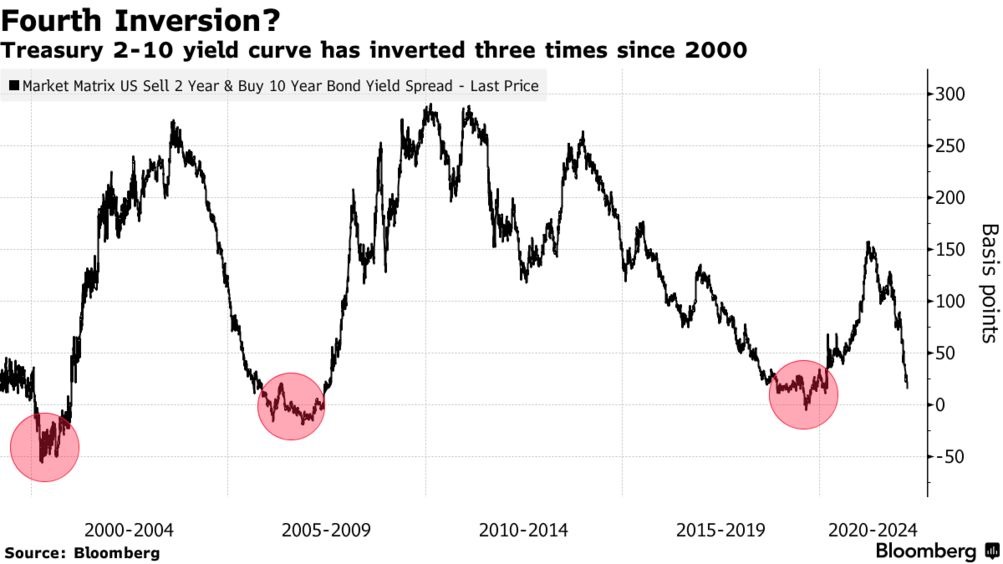
From a John Steele Gordon lecture at Hillsdale College … “money is just another commodity, no different from petroleum, pork bellies, or pig iron. So money, like all commodities,  can rise and fall in price, depending on supply and demand. But because money is, by definition, the one commodity that is universally accepted in exchange for every other commodity, we have a special term for a fall in the price of money: we call it inflation. As the
  price of money falls, the price of every other commodity must go up.” (see link)
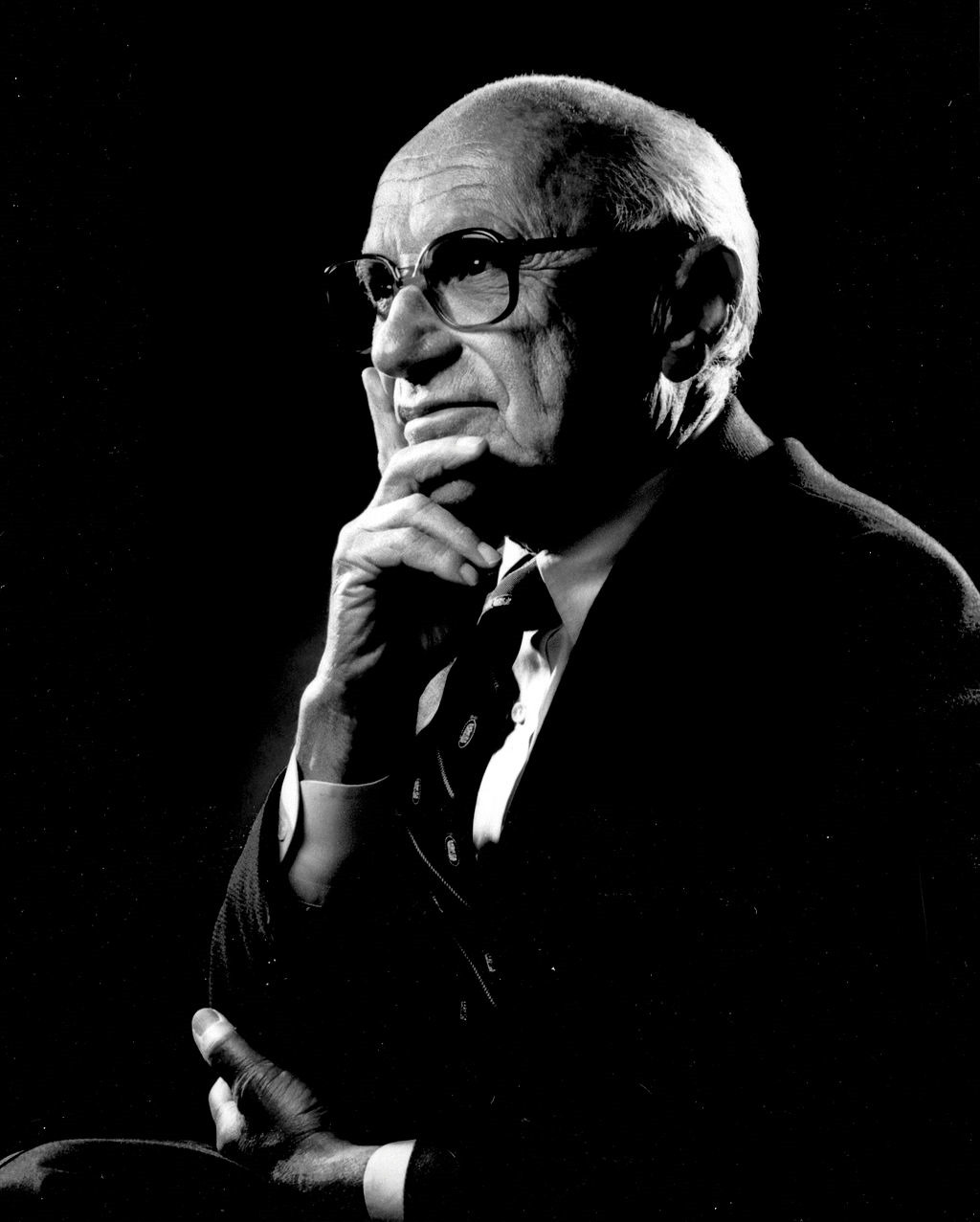
“Inflation is always and everywhere a monetary phenomenon in the sense that it is and can be produced only by a more rapid increase in the quantity of money than in output.”
– Milton Friedman, Nobel Prize-winning economist
The history lesson of inflation was most interesting as we all too often recognize it based on our limited personal history. For me, that would be starting in the 1960s after the the death of President John F. Kennedy when Vice President Johnson assumed office.
He pushed through a number of programs, including Medicare and Medicaid, Head Start, and the Mass Transit Act. These new programs caused a breathtaking rise in non-defense federal expenditures. Between 1965 and 1968, they rose by a third, from $75 billion to $100 billion. Because of the Vietnam War, military expenses went up as well, from $50 billion to $82 billion.
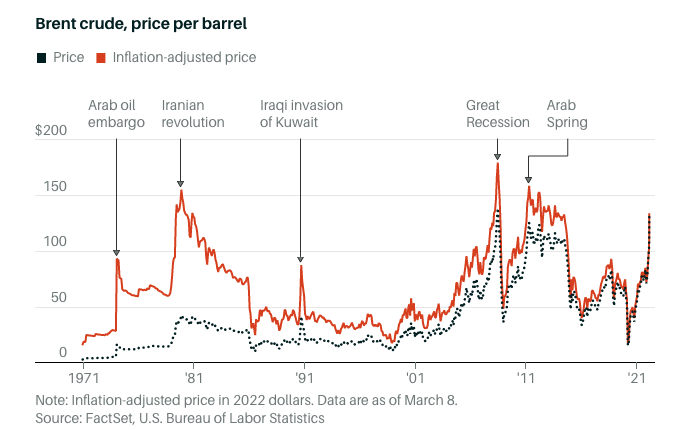
This new spending inevitably caused an increase in inflation, which had been minimal since the immediate post-war years. A vicious cycle developed, with lenders demanding higher interest rates to protect them from inflation, while the Federal Reserve pumped up the money supply by buying federal bonds to keep interest rates down.
..
By 1980, the inflation rate hit 13.5 percent, the highest peacetime rate in history. Although the national debt increased by two-and-a-half times in the 1970s, so great was the inflation in that decade that the debt actually declined as a percentage of GDP.
Only when Paul Volcker became chairman of the Federal Reserve in 1979, and Ronald Reagan became president in 1981, did inflation end. The Federal Reserve sharply increased interest rates, pushing the economy into a deep recession. Unemployment hit 10.8 percent at its peak, the highest since the 1930s. But it worked. Inflation, which had been 13.5 percent in 1980, was down to 4.1 percent in 1984 and would stay low for the next few decades.
The current look at inflation we may have studied often … but the deeper history when talking about rises and falls of great societies is also interesting.
(more…)
Category: Education, Financial, Quotes |
No Comments »
Tags: college, economist, economy, hillsdale, inflation, john steele gordon, milton friedman, money, quote


 might be a good idea to upgrade it with something newer (and knowing Brenda, I’d probably be traveling by myself – she prefers flying and NOT camping … or even glamping).