Medscape article on the treatment of Meniere disease #archive
Posted By RichC on March 27, 2019
A couple of decades ago I suffered from Ménière disease (Ménière’s disease) and struggled to find treatment and relief from the miserably vertigo episodes. One does not understand how debilitating and miserable that this be, so much so that any potential treatment, regardless of the risk, seemed worth it at the time. In my case, I opted for the endolymphatic sac decompression or shunt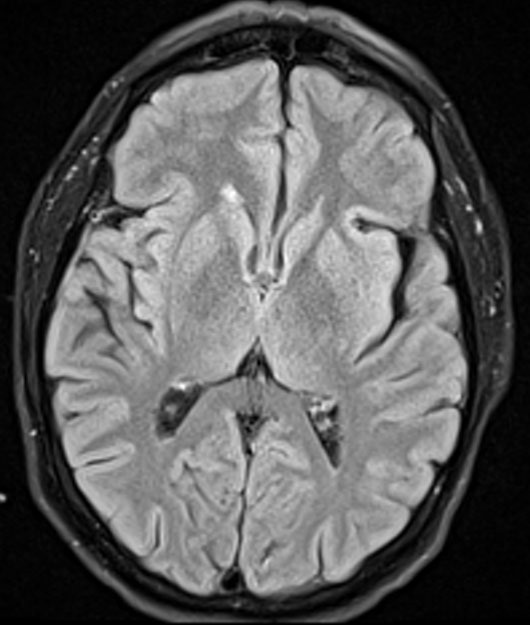 placement surgical treatment since it was what my ENT who specialized in Ménières was doing here in Cincinnati … and I was a good candidate (young/healthy). I had already had all the tests, scans, etc and worked for over a year with sodium diet control, OTC products, diuretics and diazepam with little to show for it. Thankfully for me (although knowing what is known now is questionable) the surgery was successful and within a month or so it improved my life immensely (fewer and lessening in intensity). The hearing in my right ear was gone, but I have retained hearing and balance for the most part from my left ear. Except for the tinnitus and an odd relapse that was treated at the Cleveland Clinic a decade later with a tympanic steroid injection I’ve been vertigo free … but the “drop attacks” disappeared. Thank God!
The surgery I had after after little success from diet and medications is the same that astronaut Alan Shepard had in the 1960s.  His success and return to flight status (eventually flying an Apollo space capsule on top of a Saturn V rocket to the moon!) was of great inspiration to me as at the time I was actively involved in flying and building experimental airplanes. Knowing what is now available, I’m sure I would have gone the ranstympanic medication perfusion route before ever moving forward with the destructive and far riskier surgery (Van Gogh’s Starry Night art above – previous post).
The point of this post is to archive a great write-up/update of the Surgical Treatment of Ménière Disease by John C Li, MD published in Medscape (a great resource) and if I ever need to find this information again for anyone else who may be suffering. This is by far the best information I’ve ever read – and believe me, I’ve read a lot on the subject.
Surgical Treatment of Meniere Disease
Overview
Background
The term endolymphatic hydrops refers to a condition of increased hydraulic pressure within the inner ear endolymphatic system. It is often used synonymously with the terms Ménière disease and Ménière syndrome. [1] However, Ménière disease is more correctly understood as endolymphatic hydrops without a determined etiology—that is, idiopathic endolymphatic hydrops—whereas Ménière syndrome can occur secondary to various processes interfering with normal production or resorption of endolymph.Excess pressure accumulation in the endolymph can cause a tetrad of symptoms: (1) fluctuating hearing loss, (2) occasional episodic vertigo (usually a spinning sensation, sometimes violent), (3) tinnitus or ringing in the ears (usually low-tone roaring), and (4) aural fullness (eg, pressure, discomfort, fullness sensation in the ears).
Although the disease itself is not lethal, significant morbidity can arise from various manifestations of the disease. Vertigo can cause devastating accidents and falls. Hearing loss is often progressive over time. Many patients are unable to work and are forced to claim disability.
Surgical management of Ménière disease is reserved for cases in which medical treatment fails. The future of Ménière treatment lies in the use of methods that are less invasive and less destructive than current ones to control vertigo. The concept of transtympanic delivery of medications is appealing. As new medications and delivery systems are discovered, more refined approaches to a cure may evolve.